
Politics
Raleigh City Council Approves Long-Awaited Transit Expansion Plan

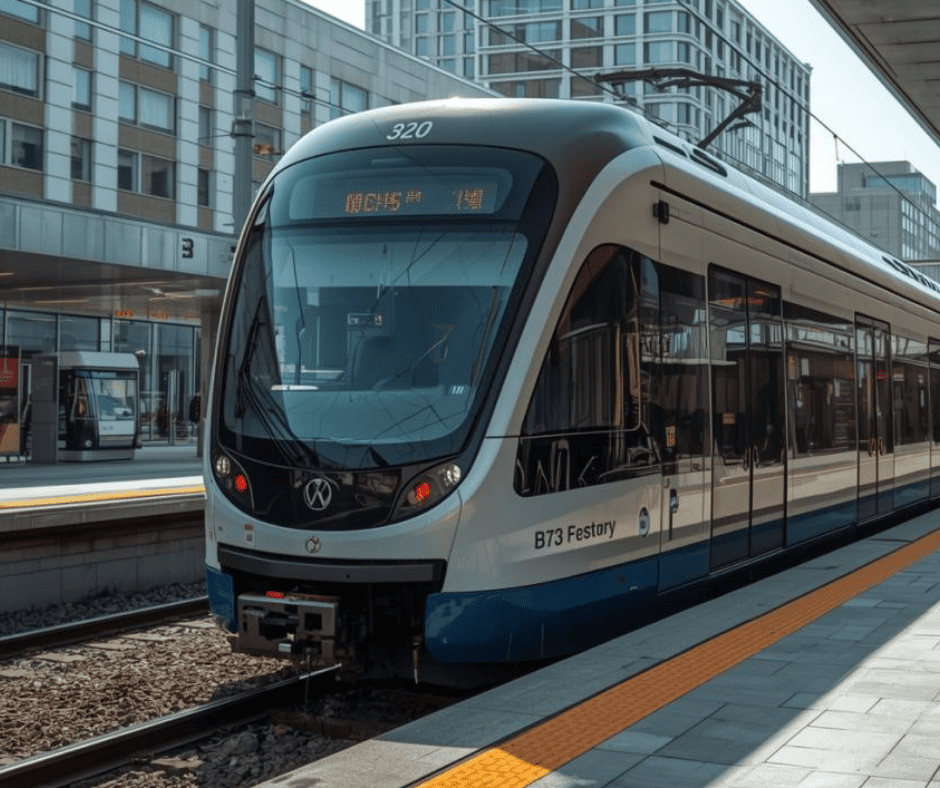
After nearly a decade of studies, public hearings, and political debate, the Raleigh City Council voted 6-2 Tuesday night to approve a comprehensive transit expansion plan that includes the city’s first light rail line and a significant expansion of bus rapid transit routes.
The $3.4 billion plan will be funded through a combination of federal grants, state transportation funds, and a proposed half-cent sales tax increase that will go before Wake County voters in November. The light rail component would connect downtown Raleigh to Research Triangle Park and Durham, a corridor that currently experiences some of the worst traffic congestion in the state.
“This vote is about more than transportation — it’s about the kind of city we want to be in 20 years,” said Mayor Janet Cowell after the vote. “Growth is coming whether we plan for it or not. Tonight we chose to plan.”
The plan also includes 15 new bus rapid transit routes, upgrades to existing GoRaleigh services, and the construction of four new transit centers in underserved parts of the city. Supporters argue the expansion will reduce car dependency, lower emissions, and improve economic mobility for residents in lower-income neighborhoods.
Opposition council members expressed concerns about the cost and questioned whether ridership projections were realistic given the region’s car-centric infrastructure. The vote now sets the stage for what promises to be one of the most closely watched local ballot measures in North Carolina this fall.

In a rare bipartisan moment, the North Carolina General Assembly passed sweeping education legislation on Wednesday that directs $1.8 billion in new funding toward the state’s most underserved rural school districts. The measure, known as the Rural Schools Investment Act, represents the largest single investment in rural education in North Carolina history.
The bill passed the Senate 38-12 and cleared the House 89-31, with significant crossover support from both parties. Lawmakers from rural districts on both sides of the aisle championed the measure after years of advocacy from educators, parents, and community leaders who argued that the funding disparity between urban and rural schools had reached a crisis point.
“A child in Robeson County deserves the same quality education as a child in Wake County,” said Sen. Patricia Dawson (D-Lumberton), one of the bill’s primary sponsors. “This legislation doesn’t just level the playing field — it fundamentally reshapes how we invest in our communities.”
Key provisions include $600 million for school facility upgrades in the 30 lowest-wealth counties, $400 million for teacher recruitment and retention bonuses in rural areas, and $300 million for expanding broadband internet access to schools that still lack reliable connectivity. The remaining funds will support new vocational training programs and early childhood education initiatives.
The governor is expected to sign the bill next week. Education advocates have praised the legislation while noting that sustained funding beyond this initial investment will be necessary to fully address decades of underinvestment in rural communities.

Governor Josh Stein signed an executive order on Monday establishing the most ambitious clean energy targets in the southeastern United States, committing North Carolina to generating 80 percent of its electricity from renewable sources by 2035.
The order, signed during a ceremony at a solar panel manufacturing facility in Durham, also sets a goal of reaching net-zero carbon emissions from the state’s power sector by 2040. North Carolina currently generates approximately 30 percent of its electricity from renewable sources, primarily solar and wind.
“North Carolina has a choice: we can lead the clean energy economy or we can watch it pass us by,” Stein said. “Today, we’re choosing to lead.” The governor pointed to the state’s already robust solar industry — North Carolina ranks fourth nationally in installed solar capacity — as evidence that the transition is economically viable.
The order directs the Department of Environmental Quality to develop a detailed implementation roadmap within 120 days, including strategies for workforce development to ensure that workers in traditional energy sectors have pathways to new jobs. It also establishes an Office of Clean Energy Transition within the governor’s administration.
Environmental groups applauded the move, while some business organizations expressed cautious optimism tempered by concerns about energy costs and grid reliability during the transition. Duke Energy, the state’s largest utility, released a statement acknowledging the goals while noting the need for “pragmatic timelines and continued investment in grid modernization.”
Politics
Mayors agree, Congress should invest in affordable housing
Temporibus autem quibusdam et aut officiis debitis aut rerum necessitatibus saepe eveniet ut et voluptates repudiandae.

Quis autem vel eum iure reprehenderit qui in ea voluptate velit esse quam nihil molestiae consequatur, vel illum qui dolorem eum fugiat quo voluptas nulla pariatur.
Temporibus autem quibusdam et aut officiis debitis aut rerum necessitatibus saepe eveniet ut et voluptates repudiandae sint et molestiae non recusandae. Itaque earum rerum hic tenetur a sapiente delectus, ut aut reiciendis voluptatibus maiores alias consequatur aut perferendis doloribus asperiores repellat.
Lorem ipsum dolor sit amet, consectetur adipisicing elit, sed do eiusmod tempor incididunt ut labore et dolore magna aliqua. Ut enim ad minim veniam, quis nostrud exercitation ullamco laboris nisi ut aliquip ex ea commodo consequat.
“Duis aute irure dolor in reprehenderit in voluptate velit esse cillum dolore eu fugiat”
Nemo enim ipsam voluptatem quia voluptas sit aspernatur aut odit aut fugit, sed quia consequuntur magni dolores eos qui ratione voluptatem sequi nesciunt.
Et harum quidem rerum facilis est et expedita distinctio. Nam libero tempore, cum soluta nobis est eligendi optio cumque nihil impedit quo minus id quod maxime placeat facere possimus, omnis voluptas assumenda est, omnis dolor repellendus.
Nulla pariatur. Excepteur sint occaecat cupidatat non proident, sunt in culpa qui officia deserunt mollit anim id est laborum.
Sed ut perspiciatis unde omnis iste natus error sit voluptatem accusantium doloremque laudantium, totam rem aperiam, eaque ipsa quae ab illo inventore veritatis et quasi architecto beatae vitae dicta sunt explicabo.
Neque porro quisquam est, qui dolorem ipsum quia dolor sit amet, consectetur, adipisci velit, sed quia non numquam eius modi tempora incidunt ut labore et dolore magnam aliquam quaerat voluptatem. Ut enim ad minima veniam, quis nostrum exercitationem ullam corporis suscipit laboriosam, nisi ut aliquid ex ea commodi consequatur.
At vero eos et accusamus et iusto odio dignissimos ducimus qui blanditiis praesentium voluptatum deleniti atque corrupti quos dolores et quas molestias excepturi sint occaecati cupiditate non provident, similique sunt in culpa qui officia deserunt mollitia animi, id est laborum et dolorum fuga.


Carolina Panthers’ First-Round Draft Pick Electrifies Training Camp

Research Triangle Startups Raise Record $2.1 Billion in First Quarter

Asheville Film Festival Announces Ambitious 2026 Lineup Featuring Local Filmmakers
-

 Fashion9 years ago
These ’90s fashion trends are making a comeback in 2017
-
Entertainment9 years ago
The final 6 ‘Game of Thrones’ episodes might feel like a full season
-
Fashion9 years ago
According to Dior Couture, this taboo fashion accessory is back
-
Entertainment9 years ago
The old and New Edition cast comes together to perform
-
Sports9 years ago
Phillies’ Aaron Altherr makes mind-boggling barehanded play
-
Business9 years ago
Uber and Lyft are finally available in all of New York State
-
Entertainment9 years ago
Disney’s live-action Aladdin finally finds its stars
-
Sports9 years ago
Steph Curry finally got the contract he deserves from the Warriors