BREAKING NEWS
Raleigh City Council Approves Long-Awaited Transit Expansion Plan

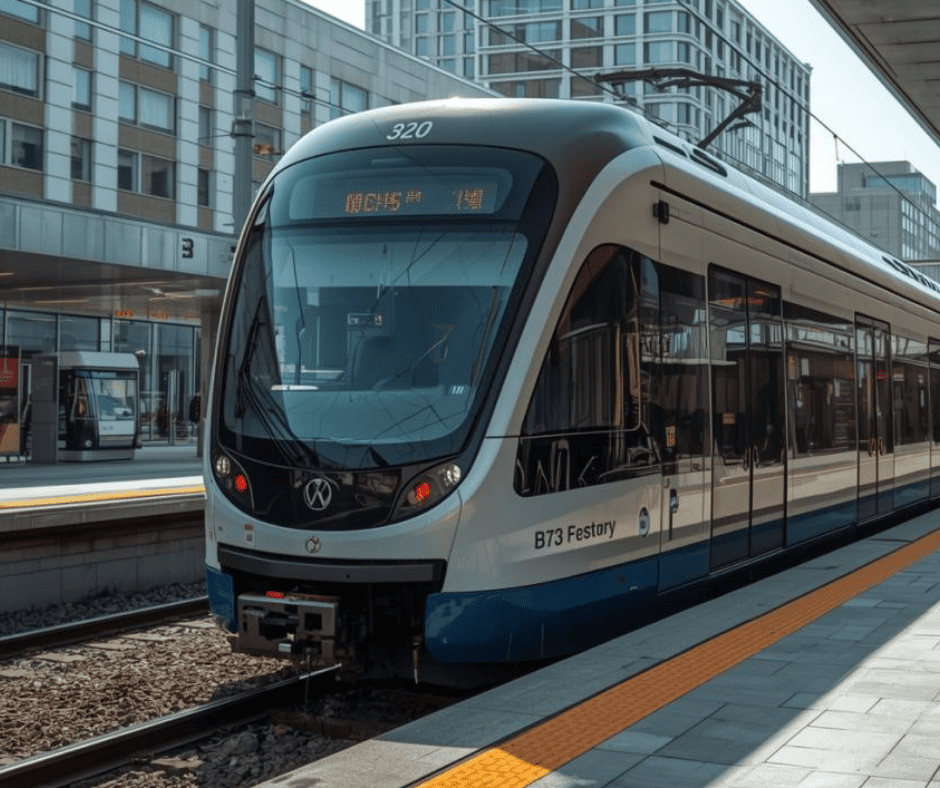
After nearly a decade of studies, public hearings, and political debate, the Raleigh City Council voted 6-2 Tuesday night to approve a comprehensive transit expansion plan that includes the city’s first light rail line and a significant expansion of bus rapid transit routes.
The $3.4 billion plan will be funded through a combination of federal grants, state transportation funds, and a proposed half-cent sales tax increase that will go before Wake County voters in November. The light rail component would connect downtown Raleigh to Research Triangle Park and Durham, a corridor that currently experiences some of the worst traffic congestion in the state.
“This vote is about more than transportation — it’s about the kind of city we want to be in 20 years,” said Mayor Janet Cowell after the vote. “Growth is coming whether we plan for it or not. Tonight we chose to plan.”
The plan also includes 15 new bus rapid transit routes, upgrades to existing GoRaleigh services, and the construction of four new transit centers in underserved parts of the city. Supporters argue the expansion will reduce car dependency, lower emissions, and improve economic mobility for residents in lower-income neighborhoods.
Opposition council members expressed concerns about the cost and questioned whether ridership projections were realistic given the region’s car-centric infrastructure. The vote now sets the stage for what promises to be one of the most closely watched local ballot measures in North Carolina this fall.
BREAKING NEWS
GOP Super PAC Launches $17 Million Blitz Against Cooper
Republican money floods into North Carolina as crime becomes the campaign’s opening battleground

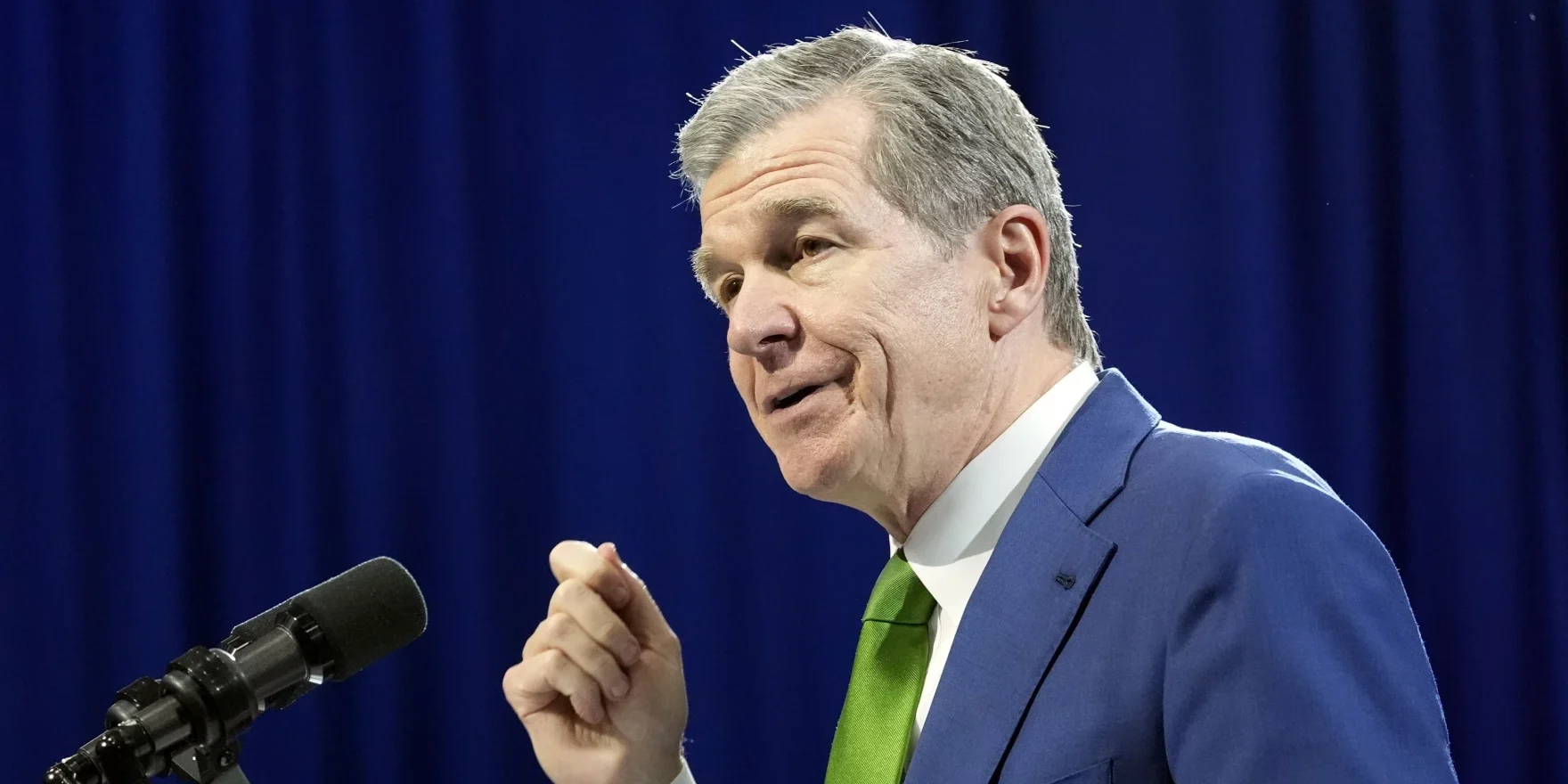
A Republican super PAC is pouring $17 million into North Carolina television and digital advertising to boost former Republican National Committee Chairman Michael Whatley, opening what is expected to be one of the country’s most expensive Senate races.
The Senate Leadership Fund campaign is the group’s largest ad reservation in any state so far this cycle and the first portion of its previously announced $71 million commitment to elect Whatley. The summer buy will run across broadcast television, cable and streaming, with direct mail and text messaging planned.
The opening 30-second spot targets former Democratic Gov. Roy Cooper’s criminal justice record. Senate Leadership Fund argues Cooper’s administration agreed to early release 3,500 inmates under a 2021 settlement over COVID-19 conditions in state prisons and says some later faced new violent-crime charges. The group launched the campaign under the theme “40 Years Is Enough,” a reference to Cooper’s career in state politics.
Cooper’s campaign called the attacks false, saying his administration fought the underlying lawsuit and that corrections and parole officials used criteria similar to federal pandemic release rules. A recent Assembly review found the settlement’s list included people who were not actually released early and that more than 90% of roughly 3,000 early-release inmates would have finished their sentences by the end of 2021 anyway.
The spending helps offset Cooper’s candidate-level financial advantage. WRAL reported Cooper raised $14.8 million in the second quarter, compared with $5 million for Whatley. Democrats are bringing outside money too: Senate Majority PAC has now committed about $42 million to support Cooper.
The race is for the seat of retiring Republican Sen. Thom Tillis and could help determine Senate control. The $17 million opening salvo confirms North Carolina will be saturated with national money and negative advertising through November.
BREAKING NEWS
Audit Flags Missing Data Behind $111 Million Helene Camps
Emergency camps were essential, but auditors say basic usage data was missing
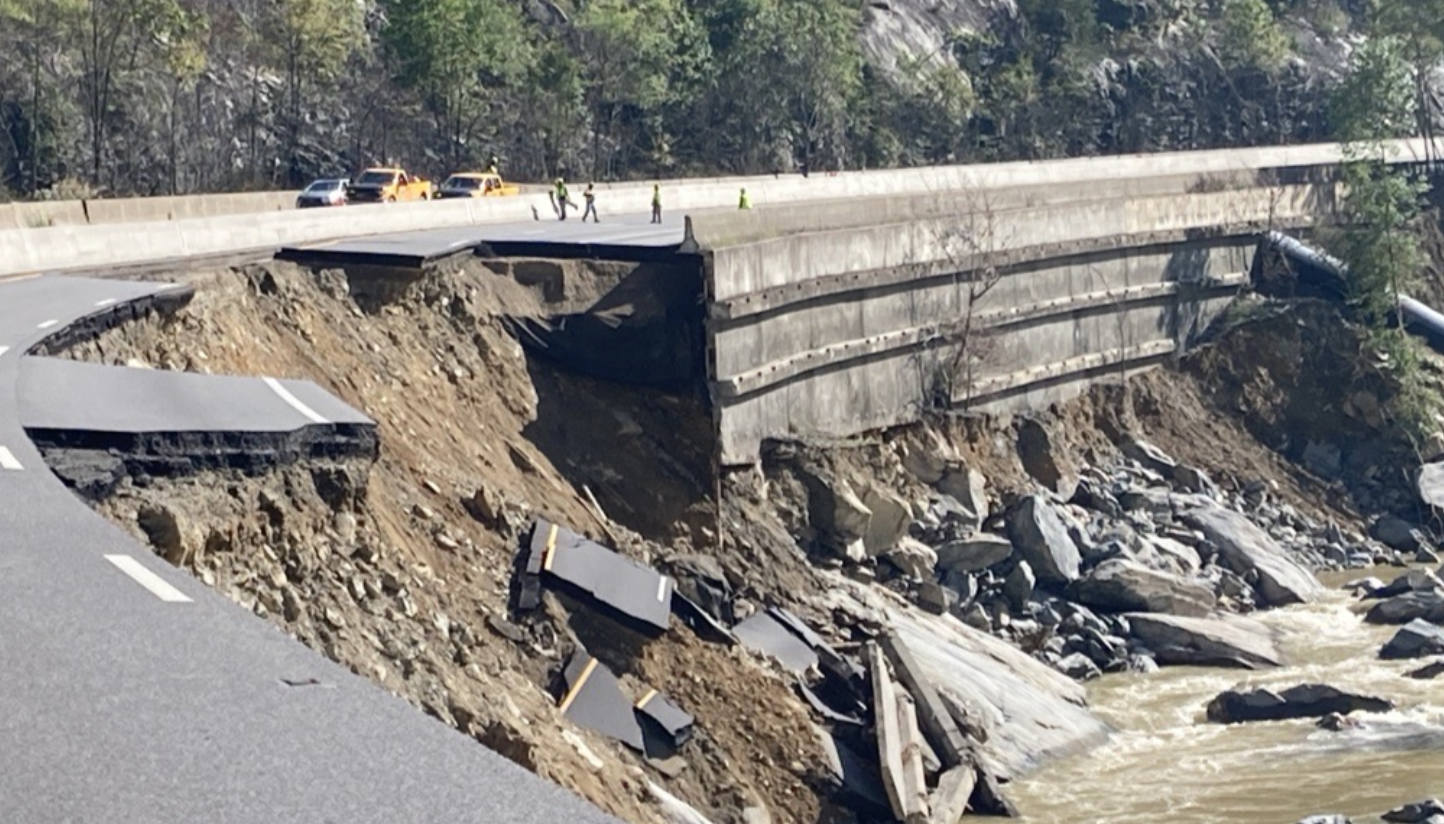
North Carolina spent more than $111 million operating Hurricane Helene base camps across western North Carolina, but auditors say officials did not track enough usage data to determine the value taxpayers received.
A report released Tuesday by the North Carolina Office of the State Auditor examined 55 base camps and comfort stations operated through North Carolina Emergency Management and Texas contractor SLSCO LTD. The facilities supported first responders, utility crews, state employees and disaster survivors with shelter, meals, showers and laundry.
Expenses totaled $111,067,464 over roughly seven months, averaging $516,593 per day. The largest site, in Swannanoa, accounted for about $27 million. Auditors calculated that a one-night bed cost about $800 and a meal averaged $41.67.
The report found rates were generally based on anticipated attendance rather than actual use. Neither the state nor the contractor consistently tracked meals served, showers taken, laundry loads or restroom use because the contract did not require those measurements. Auditors recommended recording usage rates and per-service costs to strengthen future emergency contracts.
State Auditor Dave Boliek acknowledged the camps were essential immediately after Helene, but said $111 million was “no small total” and the missing metrics made it difficult to assess the return on the expense.
North Carolina Emergency Management defended the spending, emphasizing the unprecedented disaster required housing and logistical support for thousands of responders from North Carolina and 39 other states. The agency said the Federal Emergency Management Agency reviewed the invoices, found the costs necessary and deemed them eligible for 100% federal reimbursement.
A previous Hurricane Helene after-action review identified fragmented resource tracking as a weakness and called for modernized logistics systems. The audit now gives that problem a price tag and a lesson for the next disaster.
BREAKING NEWS
Republicans Hit Roy Cooper Over Winston-Salem ICE Arrest
GOP attack revives Cooper’s fight with lawmakers over immigration detainers
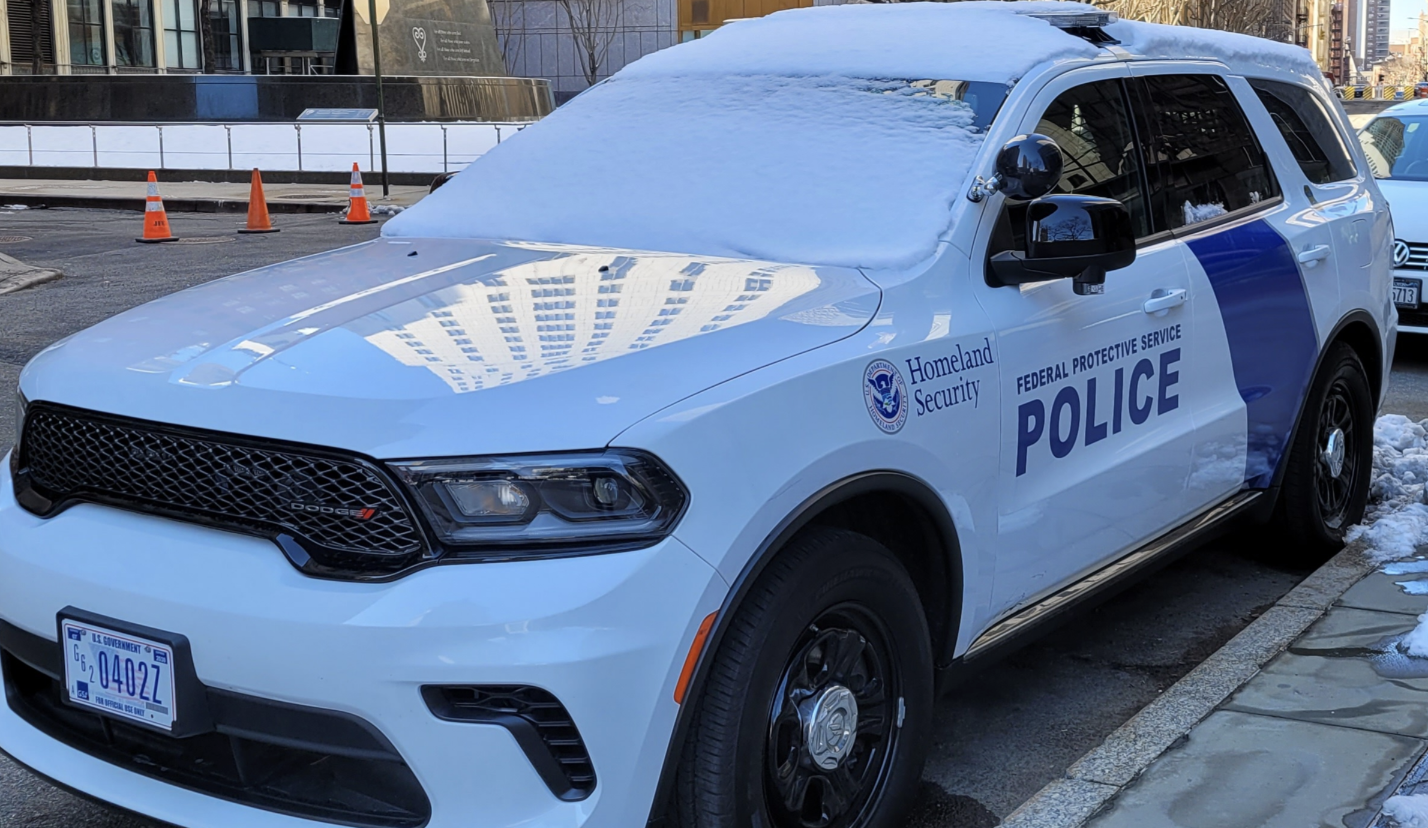
Republicans are renewing their immigration attack on former Gov. Roy Cooper, using the case of a Nicaraguan national arrested in Winston-Salem to argue that Cooper’s vetoes made the state less safe.
The National Republican Senatorial Committee (NRSC) said Humberto Narvaez Sandoval was arrested by U.S. Immigration and Customs Enforcement (ICE) after earlier arrests. Its July 22 release linked him to a Winston-Salem burglary case and court entries involving trespass, a concealed gun, firing a weapon inside city limits, impaired driving, resisting an officer, probation violations and reckless driving.
NRSC Press Secretary Nick Puglia said Cooper’s “soft-on-crime, sanctuary policies” allowed Sandoval to remain free. The committee pointed to Cooper’s 2019 veto of House Bill 370. Cooper called the measure unconstitutional and argued that it would force sheriffs to act as federal agents.
Cooper vetoed a similar measure in 2024, but Republican lawmakers overrode him and enacted House Bill 10. The law requires jail officials to check the immigration status of people charged with specified crimes and can keep someone subject to an immigration detainer and judicial order in custody for up to 48 hours.
The NRSC called North Carolina under Cooper a “sanctuary state,” but state law has prohibited cities from adopting policies that restrict federal immigration enforcement since 2015. The phrase is a political characterization, not an official state designation.
The attack lands in the Senate race between Cooper and Republican Michael Whatley for the seat being vacated by Sen. Thom Tillis. Immigration and public safety are becoming central Republican lines of attack in a contest that could help determine Senate control.

GOP Super PAC Launches $17 Million Blitz Against Cooper

Charlotte Officer Accused Of Leaking Undercover Plate Data

Key Absences Help Republicans Override Four Stein Vetoes
Five Democrats Could Help Override Stein’s Camping Veto

Republicans Hit Roy Cooper Over Insurance Industry Donations

Audit Flags Missing Data Behind $111 Million Helene Camps

System Failing Iryna Zarutska: Charlotte Light Rail Murder Suspect Dodges Trial On Mental Health Grounds As Family Waits For Justice

NC Budget Bust: Lawmakers Flee Raleigh as State Remains Only in Nation Without Spending Plan

New Poll Shows NC Republican Base Will Walk Away From 2026 Senate Race If SAVE America Act Dies In The Senate

Gov. Stein Demands Pay Raises While Doing Nothing To Break The Two-Year Legislative Stalemate He Helped Create

Raleigh’s Comedy Scene Explodes as Three New Venues Open in the Triangle

Secretary Mullin Visits Chimney Rock, Announces Millions In New Flood Relief For Hurricane Helene Victims
-
 BREAKING NEWS4 months ago
System Failing Iryna Zarutska: Charlotte Light Rail Murder Suspect Dodges Trial On Mental Health Grounds As Family Waits For Justice
-
 BREAKING NEWS4 months ago
NC Budget Bust: Lawmakers Flee Raleigh as State Remains Only in Nation Without Spending Plan
-
 BREAKING NEWS4 months ago
New Poll Shows NC Republican Base Will Walk Away From 2026 Senate Race If SAVE America Act Dies In The Senate
-
 BREAKING NEWS4 months ago
Gov. Stein Demands Pay Raises While Doing Nothing To Break The Two-Year Legislative Stalemate He Helped Create
-
 LOCAL5 months ago
Raleigh’s Comedy Scene Explodes as Three New Venues Open in the Triangle
-
 BREAKING NEWS4 months ago
Secretary Mullin Visits Chimney Rock, Announces Millions In New Flood Relief For Hurricane Helene Victims
-

 BREAKING NEWS4 months ago
Port of Wilmington Sets New Cargo Volume Record Amid East Coast Shipping Surge
-
 BREAKING NEWS4 months ago
NC Legislature Passes Historic Education Funding Bill Targeting Rural Schools