BREAKING NEWS
New Poll Shows NC Republican Base Will Walk Away From 2026 Senate Race If SAVE America Act Dies In The Senate
A new poll shows North Carolina Republican voters will stay home in 2026 if the Senate fails to pass the Save America Act, putting a key Senate seat at serious risk.


North Carolina Republicans have one of the clearest paths to a Senate pickup in the entire country heading into 2026, but a new poll suggests they may be walking away from it if Senate Republicans don’t deliver on the SAVE America Act.
A McLaughlin & Associates survey of 333 likely North Carolina general election voters conducted April 6-9 paints a sobering picture: the Republican base in North Carolina is motivated, engaged, and fully prepared to stay home if the Senate fails to act on election integrity legislation that has already passed the House.
Among North Carolina Republican voters, 12.1% said they would be less likely to vote if Senate Republicans fail to pass the Save America Act. Another 12.3% said they weren’t sure whether they’d show up. North Carolina showed the highest “less likely to vote” response among general election voters of any state surveyed at 8.6% — a signal that even beyond the Republican base, the state’s electorate takes Senate inaction seriously.
Perhaps most damaging for Republican candidates: 47.6% of all North Carolina voters said they would be less likely to support a senator who voted against the SAVE America Act. That is the highest anti-opposition number of any state in the poll — and it means that in North Carolina, voting against this bill doesn’t just depress your base. It actively costs you votes across the broader electorate.
Making matters worse for North Carolina Republicans, their own senior senator is part of the problem. Sen. Thom Tillis has emerged as one of the most vocal Republican opponents of the SAVE America Act in the Senate; a position that puts him directly at odds with the 92.8% of North Carolina voters who believe only U.S. citizens should vote in federal elections and the 54.7% who want the Senate to pass the bill outright.
North Carolina is one of the most politically competitive states in the country, having voted for Donald Trump by 3.3 points in 2024 while simultaneously electing Democratic Governor Josh Stein.
The poll confirms that. 92.8% of North Carolina respondents agreed that only U.S. citizens should vote in federal elections. 71.6% said proof of citizenship should be required to register to vote. And 60% called photo ID a reasonable requirement, with only 35.2% calling it an unfair barrier.
North Carolina Republican voters are not interested in political theater. When asked whether they preferred a symbolic vote or a genuine Senate floor fight, 87.4% of Republican voters chose the real fight, including doing away with the filibuster, which democrats expressed they are likely to do the next time they are in power. Only seven percent accepted symbolic action.
North Carolina’s Republican base voted in massive numbers in 2024, helping deliver the state for Trump and electing Jeff Jackson as Attorney General by the narrowest of margins — a reminder of just how close these races run. Depressing that same base by 12% through Senate inaction on the SAVE America Act hurts Republican candidates down ballot.

BREAKING NEWS
North Carolina Hemp Crackdown Awaits House Vote
THC fight pits youth access concerns against hemp businesses

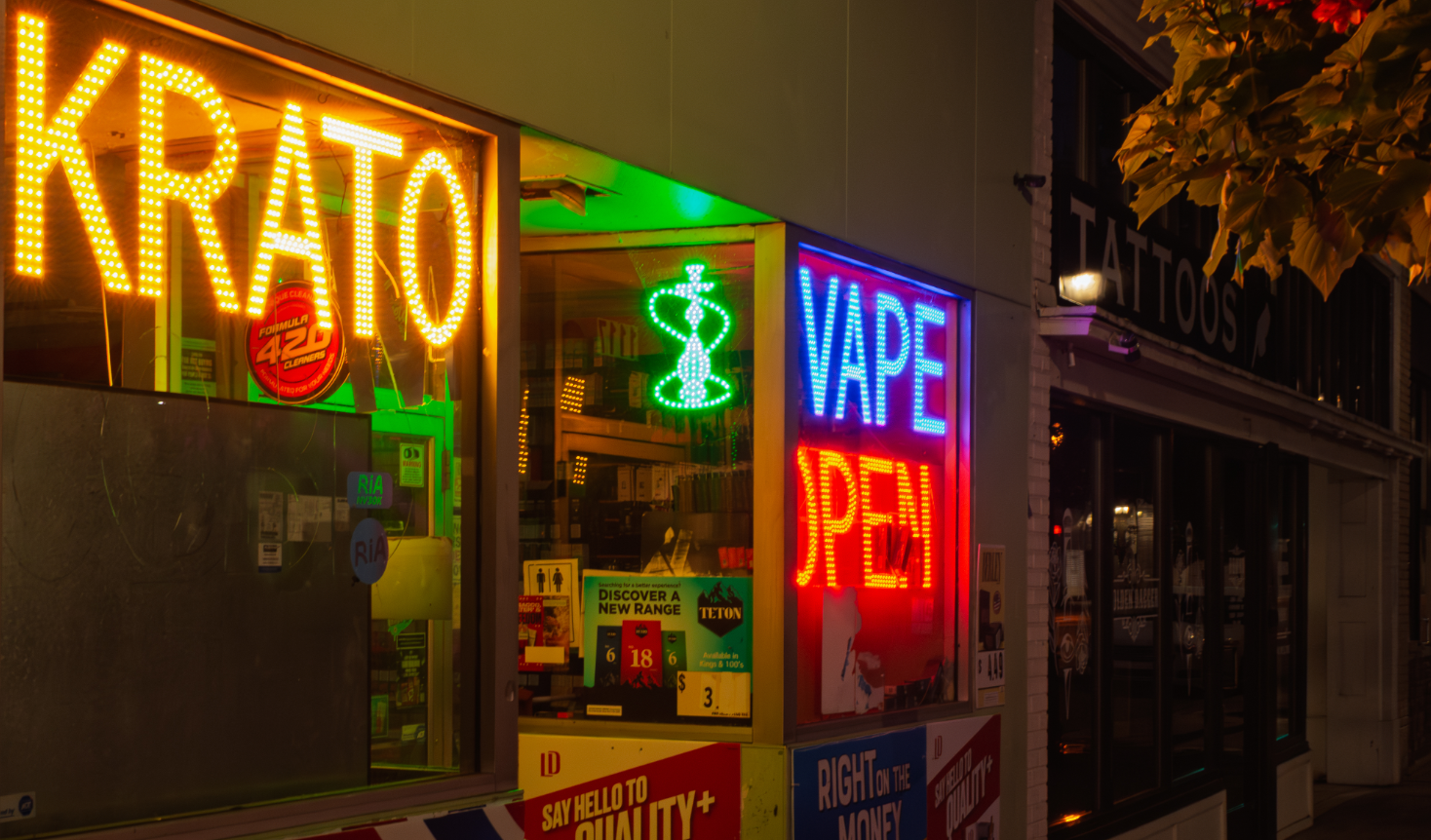
North Carolina lawmakers are weighing a hemp and kratom crackdown that could reshape a fast-growing market for gummies, seltzers, vapes and other intoxicating products sold at convenience stores, smoke shops and breweries.
House Bill 328 would prohibit any person from selling or delivering hemp-derived consumable products to anyone under 21, and would make underage possession illegal. The bill text says violations would be a Class 2 misdemeanor and could trigger civil penalties against retailers.
The measure targets the products themselves. The proposed conference bill defines prohibited finished hemp products as items with more than 0.4 milligrams of total tetrahydrocannabinol (THC) per retail container, or products containing synthetic or chemically converted cannabinoids. It would regulate kratom, ban synthetic kratom products and block kratom sales or possession for people under 21.
The Senate adopted the conference report 37-6 July 2, according to the North Carolina General Assembly. The bill has not yet reached Gov. Josh Stein because the House declined to take a final vote before lawmakers left Raleigh for a break. House Speaker Destin Hall said members needed more time to study technical language, WUNC reported, and the House is expected to return the week of July 27.
Supporters say North Carolina cannot leave intoxicating hemp products loosely regulated, especially when some are packaged and marketed in ways that appeal to minors. WRAL reported the state currently has no age restriction for buying intoxicating hemp-based products.
Hemp businesses warn the bill could wipe out much of the legal market. Axios reported Trophy Brewing may stop making THC seltzers, while WLOS reported Asheville retailers say the 0.4 milligram cap would effectively eliminate many products on shelves.
The fight now is whether lawmakers can protect minors without turning regulation into a de facto prohibition on North Carolina’s legal hemp industry.
BREAKING NEWS
Republicans Hit Roy Cooper Over ICE Arrest
Immigration fight moves to center of North Carolina Senate race
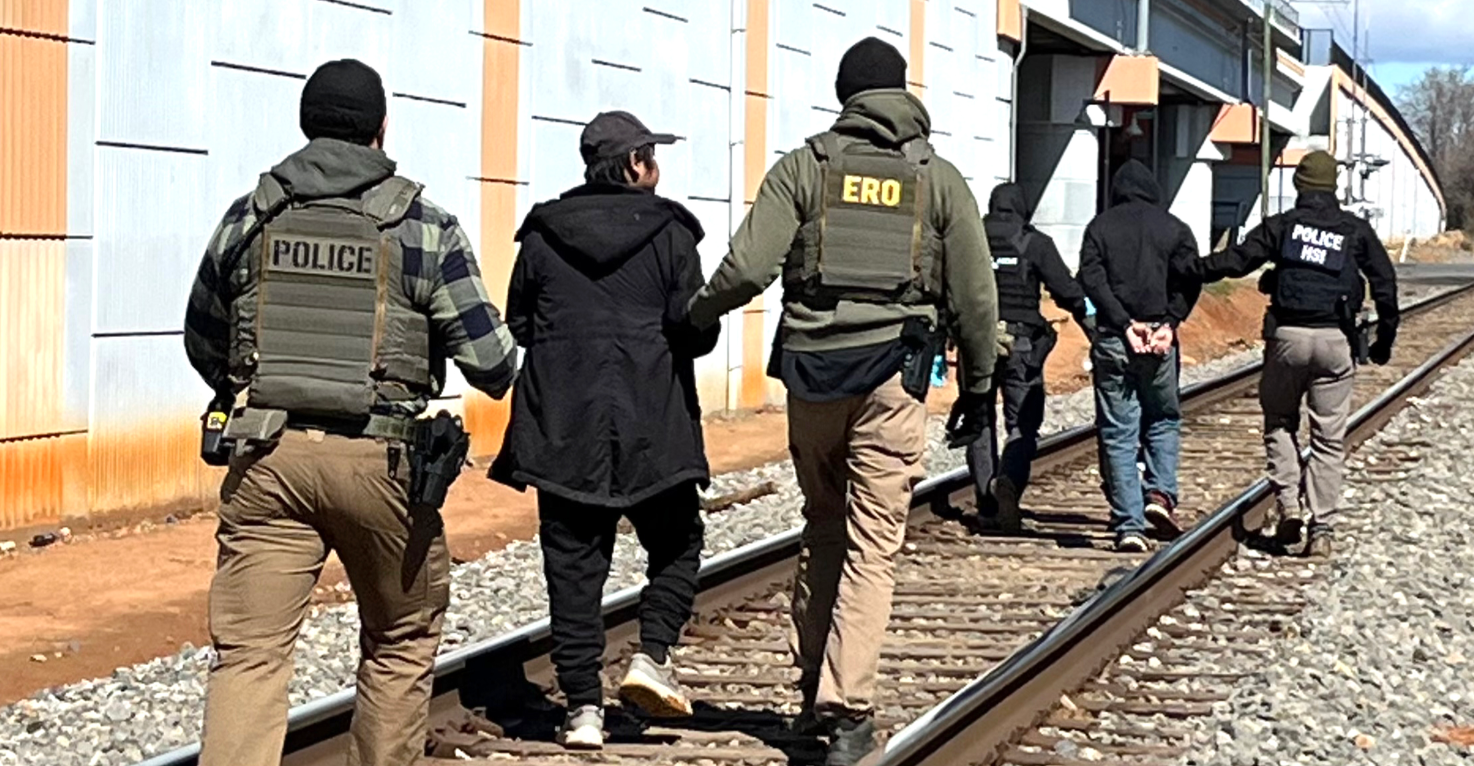
Republicans are sharpening an immigration attack against former North Carolina Gov. Roy Cooper as the state’s Senate race moves deeper into a public-safety fight.
The National Republican Senatorial Committee (NRSC) accused Cooper in a new attack of enabling “sanctuary policies” after federal officials said U.S. Immigration and Customs Enforcement (ICE) arrested Somsack Khamhaeng, a Laotian national with convictions in Cabarrus County. The Department of Homeland Security identified Khamhaeng as an immigrant in the country illegally who had been convicted of possession of a firearm by a felon and drug possession.
The NRSC press release pointed to other alleged North Carolina court entries, including drug paraphernalia offenses, a noise ordinance violation and a felony probation violation. NRSC Regional Press Secretary Nick Puglia said Khamhaeng “should have been arrested and immediately deported,” arguing Cooper’s record put North Carolinians at risk.
The attack revives a long-running dispute over how closely North Carolina law enforcement should cooperate with federal immigration authorities. Cooper vetoed legislation in 2022 that would have required sheriffs to make greater efforts to hold jail inmates wanted by ICE, calling the bill unconstitutional and accusing Republicans of using fear to divide voters.
Republican lawmakers later overrode Cooper’s veto of House Bill 10, requiring county sheriffs to cooperate with ICE in certain cases. This year, lawmakers enacted the North Carolina Border Protection Act, expanding cooperation requirements for state law enforcement agencies.
The fight now lands in the Senate race between Cooper and former Republican National Committee Chairman Michael Whatley, who are battling for the seat being vacated by Republican Sen. Thom Tillis.
BREAKING NEWS
North Carolina Blocks Foreign Adversaries From Farmland
New law targets land near farms and military bases

North Carolina has a new law aimed at keeping adversarial foreign interests away from farmland and military installations, turning national-security concerns into a real estate restriction across much of the state.
Gov. Josh Stein signed House Bill 133, the North Carolina Farmland and Military Protection Act, after lawmakers sent him the measure this month. The North Carolina General Assembly lists the bill as Session Law 2026-54, approved July 7 and chaptered July 8.
Under the law, a “prohibited foreign party” cannot purchase, acquire, lease or hold a direct interest in agricultural land or property within 50 miles of a military installation. The law says its purpose is to protect the state’s food supply and military sites from adversarial foreign government control.
The measure ties “adversarial foreign government” to countries or groups listed under federal International Traffic in Arms Regulations. It reaches certain entities or trusts organized under those governments, or substantially controlled by them.
Protected sites include Fort Bragg, Marine Corps Base Camp Lejeune, New River Marine Corps Air Station, Cherry Point Marine Corps Air Station, Seymour Johnson Air Force Base and North Carolina National Guard facilities.
Foreign parties that already hold covered land before the law takes effect may keep it, but they cannot acquire more and must register with the secretary of state. Buyers of covered land will have to sign an affidavit saying they are not prohibited foreign parties, while violations can trigger forced divestiture.
Most of the law takes effect April 1, 2027. The North Carolina Real Estate Commission and Department of Military and Veterans Affairs must publish a public map of protected areas by then.
Supporters frame the law as food security and military protection. Critics raised concerns about whether the 50-mile radius could discourage legitimate foreign investment, Carolina Journal reported.

North Carolina Hemp Crackdown Awaits House Vote

Republicans Hit Roy Cooper Over ICE Arrest

North Carolina Blocks Foreign Adversaries From Farmland

Stein Signs North Carolina Budget After 1,000-Day Delay

Republicans Press Roy Cooper On Women’s Sports Veto

Raleigh Weighs Youth Curfew After Teen Takeovers

System Failing Iryna Zarutska: Charlotte Light Rail Murder Suspect Dodges Trial On Mental Health Grounds As Family Waits For Justice

NC Budget Bust: Lawmakers Flee Raleigh as State Remains Only in Nation Without Spending Plan

New Poll Shows NC Republican Base Will Walk Away From 2026 Senate Race If SAVE America Act Dies In The Senate

Raleigh’s Comedy Scene Explodes as Three New Venues Open in the Triangle

Gov. Stein Demands Pay Raises While Doing Nothing To Break The Two-Year Legislative Stalemate He Helped Create

Port of Wilmington Sets New Cargo Volume Record Amid East Coast Shipping Surge
-
 BREAKING NEWS4 months ago
System Failing Iryna Zarutska: Charlotte Light Rail Murder Suspect Dodges Trial On Mental Health Grounds As Family Waits For Justice
-
 BREAKING NEWS4 months ago
NC Budget Bust: Lawmakers Flee Raleigh as State Remains Only in Nation Without Spending Plan
-
 LOCAL4 months ago
Raleigh’s Comedy Scene Explodes as Three New Venues Open in the Triangle
-
 BREAKING NEWS4 months ago
Gov. Stein Demands Pay Raises While Doing Nothing To Break The Two-Year Legislative Stalemate He Helped Create
-
 BREAKING NEWS4 months ago
Port of Wilmington Sets New Cargo Volume Record Amid East Coast Shipping Surge
-

 BREAKING NEWS4 months ago
Secretary Mullin Visits Chimney Rock, Announces Millions In New Flood Relief For Hurricane Helene Victims
-
 BREAKING NEWS4 months ago
NC Legislature Passes Historic Education Funding Bill Targeting Rural Schools
-

 LOCAL4 months ago
Research Triangle Startups Raise Record $2.1 Billion in First Quarter