
LOCAL
Charlotte Boutique Boom: How Small Retailers Are Reshaping SouthPark


The retail landscape of Charlotte’s SouthPark district is undergoing a quiet transformation. Over the past 18 months, more than a dozen independent boutiques have opened in the area, filling spaces vacated by national chains and fundamentally changing the shopping experience in one of the city’s most established retail corridors.
Where a J.Crew and a Gap once stood on Sharon Road, you’ll now find Maison, a curated womenswear boutique specializing in emerging southern designers, and Thread & Bone, which sells artisan leather goods handcrafted in the Carolinas. Around the corner, a former chain shoe store has been reimagined as Indigo Market, a collective space housing five independent fashion and jewelry makers.
“The pandemic permanently changed how people think about shopping,” said retail analyst Carla Simmons of the Charlotte Business Alliance. “Consumers want authenticity, curation, and a personal relationship with the people who make and sell their clothing. National chains can’t offer that.”
The boutique owners themselves are a diverse group — former corporate professionals, fashion school graduates, and second-career entrepreneurs — united by a conviction that Charlotte’s fashion market is underserved despite the city’s wealth and growing population. Several pointed to the success of similar independent retail corridors in Nashville and Charleston as proof of concept.
SouthPark’s landlords have been surprisingly receptive, offering more favorable lease terms to independent retailers as a strategy for differentiating their properties. For shoppers tired of the same stores in every American city, the message is clear: Charlotte’s fashion identity is finally becoming its own.
LOCAL
Charlotte Officer Accused Of Leaking Undercover Plate Data
Officer’s arrest turns North Carolina’s surveillance debate into an alleged insider-abuse case


A Charlotte-Mecklenburg police officer is accused of using police systems to identify an undercover vehicle and passing the information to the target of a Watauga County drug investigation.
The North Carolina State Bureau of Investigation arrested Officer Seth Daniel Elliott July 29 and charged him with illegally accessing a government computer. Elliott remains on unpaid leave. The charge remains an allegation.
A court affidavit obtained by WSOC-TV says a drug investigation target contacted Elliott June 16 after becoming suspicious of a buyer. The vehicle belonged to an undercover officer in the Watauga County investigation. Elliott allegedly searched the plate through Flock Safety and Criminal Justice Law Enforcement Automated Data Services (CJLEADS), then relayed the information to the target.
The Charlotte-Mecklenburg Police Department (CMPD) said state investigators alerted the agency June 18 during an unrelated case. Elliott was removed from duties June 22, and his access to criminal-intelligence systems was revoked. Internal Affairs is investigating.
CMPD does not own Flock cameras, but an agreement lets officers search devices operated by other agencies at no charge. CJLEADS centralizes offender information for criminal-justice professionals, while Flock readers create searchable vehicle-location records. State policy limits CJLEADS access to official duties and warns misuse can trigger termination and civil or criminal liability.
Police Chief Estella Patterson called misuse of confidential technology a betrayal of public trust and promised accountability.
The arrest comes as North Carolina expands automated license plate surveillance. The new state budget made a highway-camera pilot permanent and opened it to agencies statewide. Supporters say the technology helps locate suspects, stolen vehicles and missing people, while privacy advocates have warned that broad access creates opportunities for insider abuse.
BREAKING NEWS
Audit Flags Missing Data Behind $111 Million Helene Camps
Emergency camps were essential, but auditors say basic usage data was missing
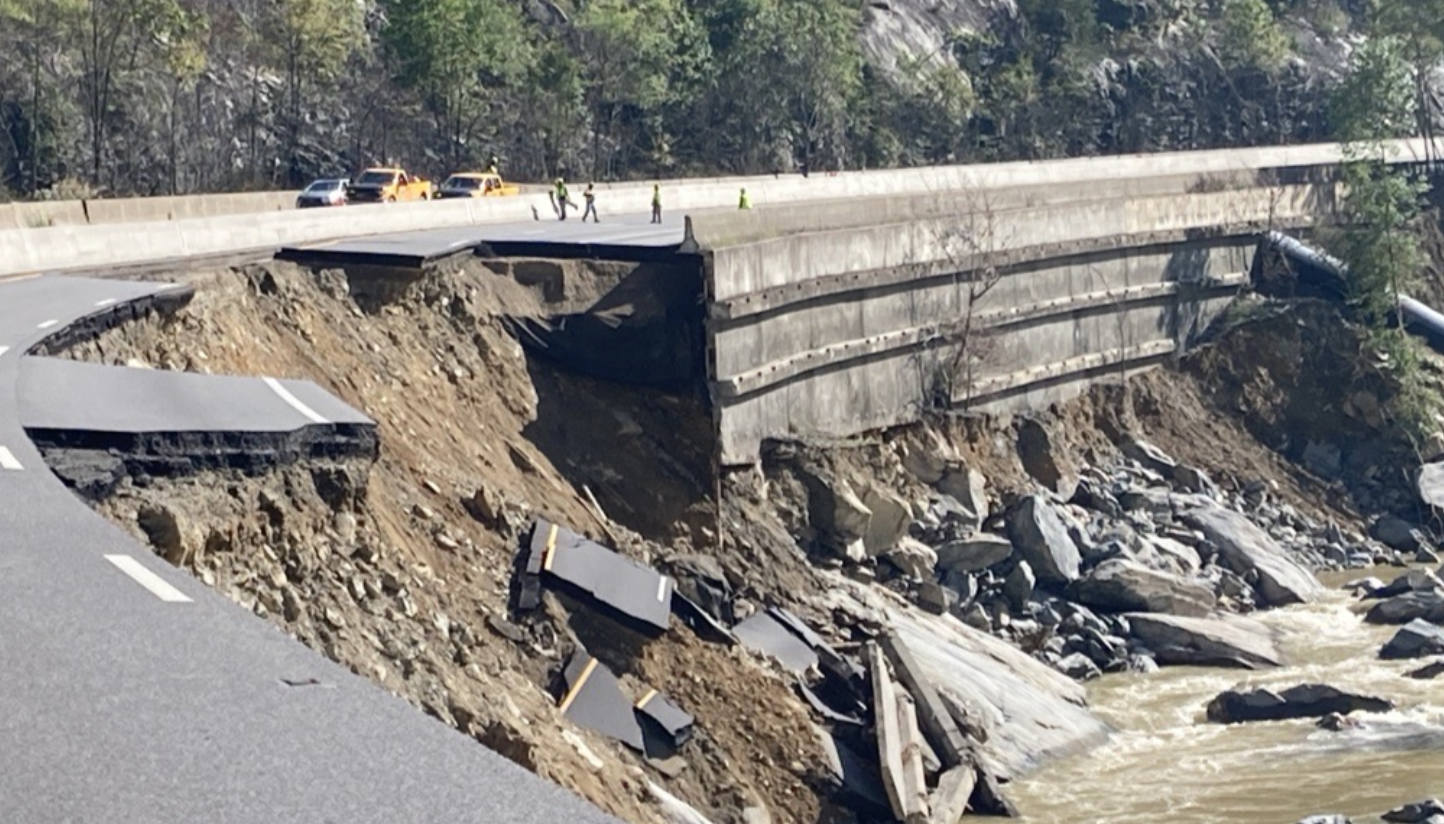
North Carolina spent more than $111 million operating Hurricane Helene base camps across western North Carolina, but auditors say officials did not track enough usage data to determine the value taxpayers received.
A report released Tuesday by the North Carolina Office of the State Auditor examined 55 base camps and comfort stations operated through North Carolina Emergency Management and Texas contractor SLSCO LTD. The facilities supported first responders, utility crews, state employees and disaster survivors with shelter, meals, showers and laundry.
Expenses totaled $111,067,464 over roughly seven months, averaging $516,593 per day. The largest site, in Swannanoa, accounted for about $27 million. Auditors calculated that a one-night bed cost about $800 and a meal averaged $41.67.
The report found rates were generally based on anticipated attendance rather than actual use. Neither the state nor the contractor consistently tracked meals served, showers taken, laundry loads or restroom use because the contract did not require those measurements. Auditors recommended recording usage rates and per-service costs to strengthen future emergency contracts.
State Auditor Dave Boliek acknowledged the camps were essential immediately after Helene, but said $111 million was “no small total” and the missing metrics made it difficult to assess the return on the expense.
North Carolina Emergency Management defended the spending, emphasizing the unprecedented disaster required housing and logistical support for thousands of responders from North Carolina and 39 other states. The agency said the Federal Emergency Management Agency reviewed the invoices, found the costs necessary and deemed them eligible for 100% federal reimbursement.
A previous Hurricane Helene after-action review identified fragmented resource tracking as a weakness and called for modernized logistics systems. The audit now gives that problem a price tag and a lesson for the next disaster.
BREAKING NEWS
Cary Residents Blast Leaders Over Extravagant Spending
Taxpayers call for resignations after luxury meals, Ray-Bans and weak oversight come to light
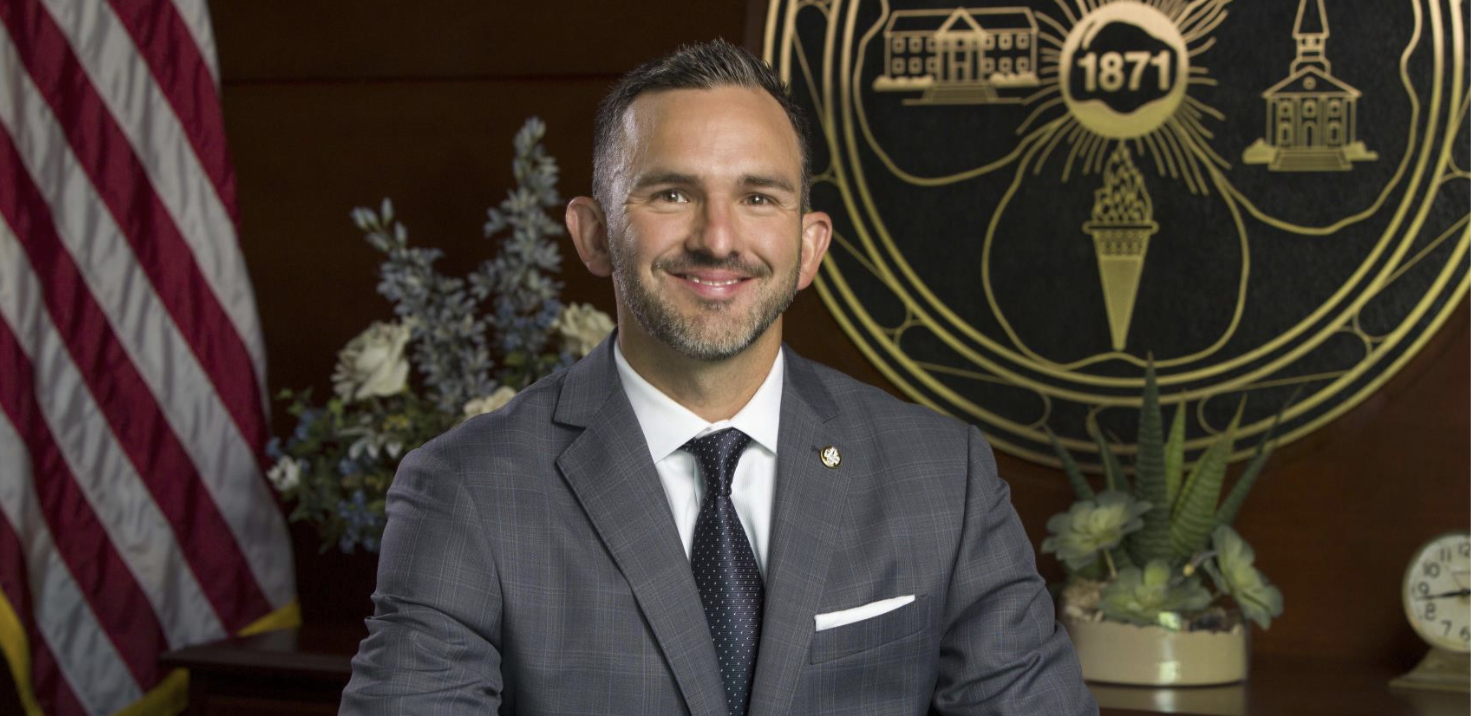
Cary residents packed Town Hall Thursday night and confronted elected leaders after a state investigation described excessive spending, weak controls and poor oversight of taxpayer money.
At the council’s first regular meeting since the report’s release, speakers accused members of ignoring warning signs and leaning too heavily on former Town Manager Sean Stegall. Some demanded resignations or a recall process, while one resident called the council’s claim that Stegall alone dominated town government “pathetic,” FOX8 reported.
The North Carolina Office of the State Auditor found Cary had issued 828 procurement cards to about 62% of employees, compared with a 16% average among nine other large municipalities. Employees made more than 60,000 card transactions totaling $24.2 million from January 2024 through December 2025. Auditors did not label that entire sum improper, but flagged purchases lacking a clear government purpose or appearing excessive.
Examples included $121,314 for videos tied to a Wilmington retreat, $65,653 for a ghostwriter to produce a book about Stegall’s management style, $1,600 for 10 pairs of Ray-Ban sunglasses and more than $100,000 in purchases without complete receipts.
Resident Marie Inserra urged lawmakers to authorize a local recall election. Michael Anderson asked everyone appearing in the retreat’s “Dancing Queen” documentary to resign, WRAL reported.
An independent review commissioned by Cary echoed the oversight concerns and recommended restoring an internal auditor and notifying the council before land purchases above $300,000. The council adopted an anti-retaliation policy for employees reporting misconduct and launched a public dashboard tracking nearly 40 recommended changes.
Stegall resigned in December 2025 after being placed on leave. Cary officials say he restricted information reaching council members, but State Auditor Dave Boliek said elected leaders failed to ask tough questions. Thursday’s backlash showed promised reforms have not ended demands for accountability.

GOP Super PAC Launches $17 Million Blitz Against Cooper

Charlotte Officer Accused Of Leaking Undercover Plate Data

Key Absences Help Republicans Override Four Stein Vetoes
Five Democrats Could Help Override Stein’s Camping Veto

Republicans Hit Roy Cooper Over Insurance Industry Donations

Audit Flags Missing Data Behind $111 Million Helene Camps

System Failing Iryna Zarutska: Charlotte Light Rail Murder Suspect Dodges Trial On Mental Health Grounds As Family Waits For Justice

NC Budget Bust: Lawmakers Flee Raleigh as State Remains Only in Nation Without Spending Plan

New Poll Shows NC Republican Base Will Walk Away From 2026 Senate Race If SAVE America Act Dies In The Senate

Gov. Stein Demands Pay Raises While Doing Nothing To Break The Two-Year Legislative Stalemate He Helped Create

Raleigh’s Comedy Scene Explodes as Three New Venues Open in the Triangle

Secretary Mullin Visits Chimney Rock, Announces Millions In New Flood Relief For Hurricane Helene Victims
-
 BREAKING NEWS4 months ago
System Failing Iryna Zarutska: Charlotte Light Rail Murder Suspect Dodges Trial On Mental Health Grounds As Family Waits For Justice
-
 BREAKING NEWS4 months ago
NC Budget Bust: Lawmakers Flee Raleigh as State Remains Only in Nation Without Spending Plan
-
 BREAKING NEWS4 months ago
New Poll Shows NC Republican Base Will Walk Away From 2026 Senate Race If SAVE America Act Dies In The Senate
-
 LOCAL5 months ago
Raleigh’s Comedy Scene Explodes as Three New Venues Open in the Triangle
-
 BREAKING NEWS4 months ago
Gov. Stein Demands Pay Raises While Doing Nothing To Break The Two-Year Legislative Stalemate He Helped Create
-
 BREAKING NEWS4 months ago
Secretary Mullin Visits Chimney Rock, Announces Millions In New Flood Relief For Hurricane Helene Victims
-

 BREAKING NEWS4 months ago
Port of Wilmington Sets New Cargo Volume Record Amid East Coast Shipping Surge
-
 BREAKING NEWS4 months ago
NC Legislature Passes Historic Education Funding Bill Targeting Rural Schools