
LOCAL
Charlotte FC Announces Major Stadium Expansion to Meet Surging Demand


Charlotte FC will expand Bank of America Stadium’s soccer-specific capacity by 10,000 seats, the club announced Wednesday, responding to demand that has consistently outpaced availability since the MLS franchise’s inaugural season.
The $120 million expansion project will add a new upper deck to the stadium’s south end, bringing total soccer match capacity to approximately 48,000. The expansion will also include 20 new luxury suites, an expanded supporters’ section, and a new concourse featuring local food and beverage vendors. Construction is expected to begin after the 2026 NFL season and be completed in time for Charlotte FC’s 2028 MLS campaign.
“Charlotte has embraced this club in a way that has exceeded even our most optimistic projections,” said team owner David Tepper. “When you sell out 27 consecutive matches, the market is telling you something. We’re listening.”
Charlotte FC has been among MLS’s attendance leaders since joining the league in 2022, regularly drawing crowds that rival established soccer markets like Atlanta, Seattle, and Portland. The club’s passionate supporter groups, including the Mint City Collective, have created a match-day atmosphere that has earned national recognition.
The expansion comes amid a broader wave of investment in Charlotte’s professional sports infrastructure, including recent upgrades to Spectrum Center and ongoing discussions about a potential new downtown baseball stadium. City officials have praised the private investment, though some neighborhood groups have raised concerns about increased traffic and parking impacts on the surrounding Uptown area. Public comment sessions on the project will begin next month.
BREAKING NEWS
Audit Flags Missing Data Behind $111 Million Helene Camps
Emergency camps were essential, but auditors say basic usage data was missing

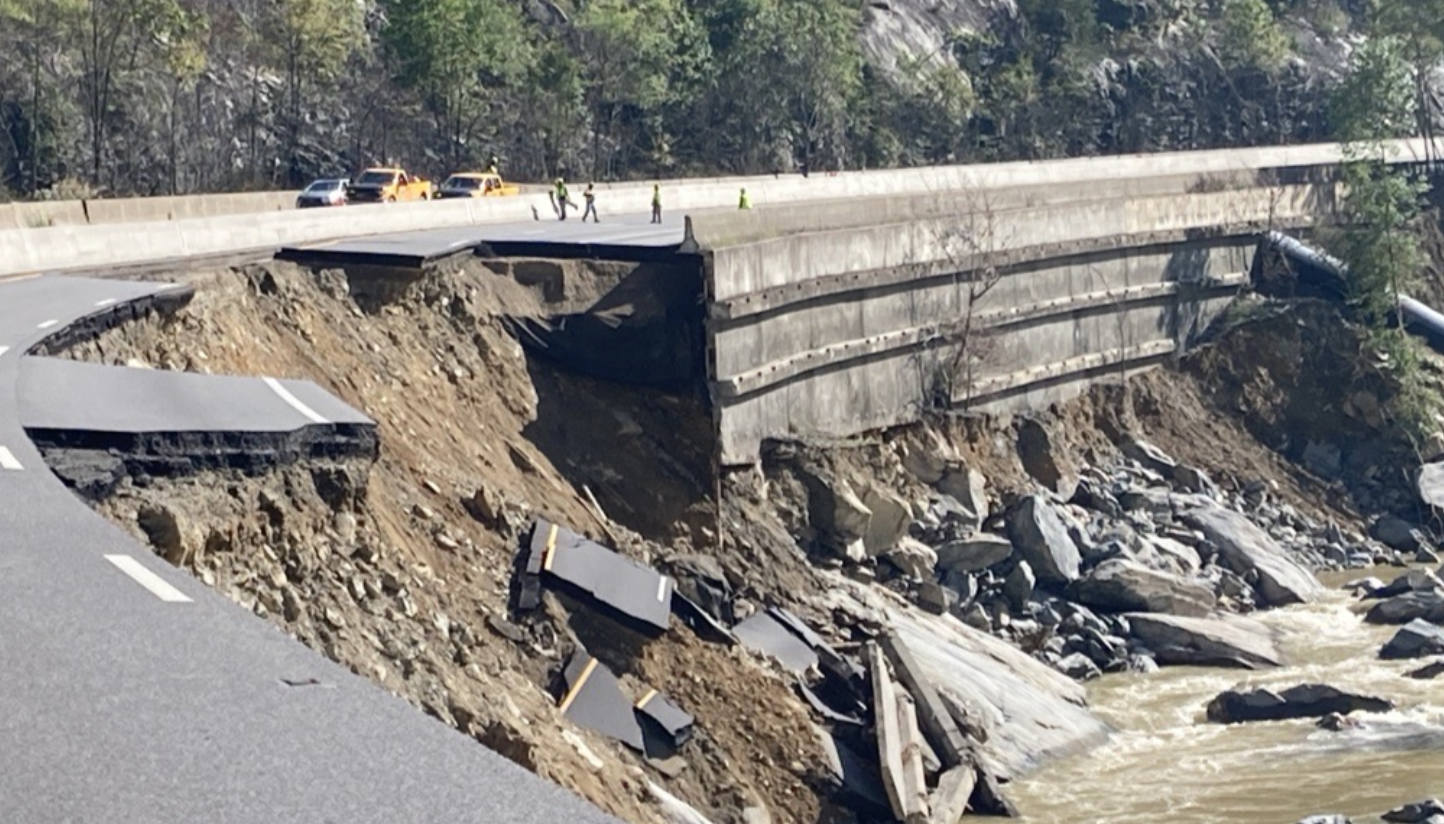
North Carolina spent more than $111 million operating Hurricane Helene base camps across western North Carolina, but auditors say officials did not track enough usage data to determine the value taxpayers received.
A report released Tuesday by the North Carolina Office of the State Auditor examined 55 base camps and comfort stations operated through North Carolina Emergency Management and Texas contractor SLSCO LTD. The facilities supported first responders, utility crews, state employees and disaster survivors with shelter, meals, showers and laundry.
Expenses totaled $111,067,464 over roughly seven months, averaging $516,593 per day. The largest site, in Swannanoa, accounted for about $27 million. Auditors calculated that a one-night bed cost about $800 and a meal averaged $41.67.
The report found rates were generally based on anticipated attendance rather than actual use. Neither the state nor the contractor consistently tracked meals served, showers taken, laundry loads or restroom use because the contract did not require those measurements. Auditors recommended recording usage rates and per-service costs to strengthen future emergency contracts.
State Auditor Dave Boliek acknowledged the camps were essential immediately after Helene, but said $111 million was “no small total” and the missing metrics made it difficult to assess the return on the expense.
North Carolina Emergency Management defended the spending, emphasizing the unprecedented disaster required housing and logistical support for thousands of responders from North Carolina and 39 other states. The agency said the Federal Emergency Management Agency reviewed the invoices, found the costs necessary and deemed them eligible for 100% federal reimbursement.
A previous Hurricane Helene after-action review identified fragmented resource tracking as a weakness and called for modernized logistics systems. The audit now gives that problem a price tag and a lesson for the next disaster.
BREAKING NEWS
Cary Residents Blast Leaders Over Extravagant Spending
Taxpayers call for resignations after luxury meals, Ray-Bans and weak oversight come to light
Cary residents packed Town Hall Thursday night and confronted elected leaders after a state investigation described excessive spending, weak controls and poor oversight of taxpayer money.
At the council’s first regular meeting since the report’s release, speakers accused members of ignoring warning signs and leaning too heavily on former Town Manager Sean Stegall. Some demanded resignations or a recall process, while one resident called the council’s claim that Stegall alone dominated town government “pathetic,” FOX8 reported.
The North Carolina Office of the State Auditor found Cary had issued 828 procurement cards to about 62% of employees, compared with a 16% average among nine other large municipalities. Employees made more than 60,000 card transactions totaling $24.2 million from January 2024 through December 2025. Auditors did not label that entire sum improper, but flagged purchases lacking a clear government purpose or appearing excessive.
Examples included $121,314 for videos tied to a Wilmington retreat, $65,653 for a ghostwriter to produce a book about Stegall’s management style, $1,600 for 10 pairs of Ray-Ban sunglasses and more than $100,000 in purchases without complete receipts.
Resident Marie Inserra urged lawmakers to authorize a local recall election. Michael Anderson asked everyone appearing in the retreat’s “Dancing Queen” documentary to resign, WRAL reported.
An independent review commissioned by Cary echoed the oversight concerns and recommended restoring an internal auditor and notifying the council before land purchases above $300,000. The council adopted an anti-retaliation policy for employees reporting misconduct and launched a public dashboard tracking nearly 40 recommended changes.
Stegall resigned in December 2025 after being placed on leave. Cary officials say he restricted information reaching council members, but State Auditor Dave Boliek said elected leaders failed to ask tough questions. Thursday’s backlash showed promised reforms have not ended demands for accountability.
BREAKING NEWS
North Carolina Opens State Highways To License Plate Surveillance
New camera network puts public safety and privacy on a collision course
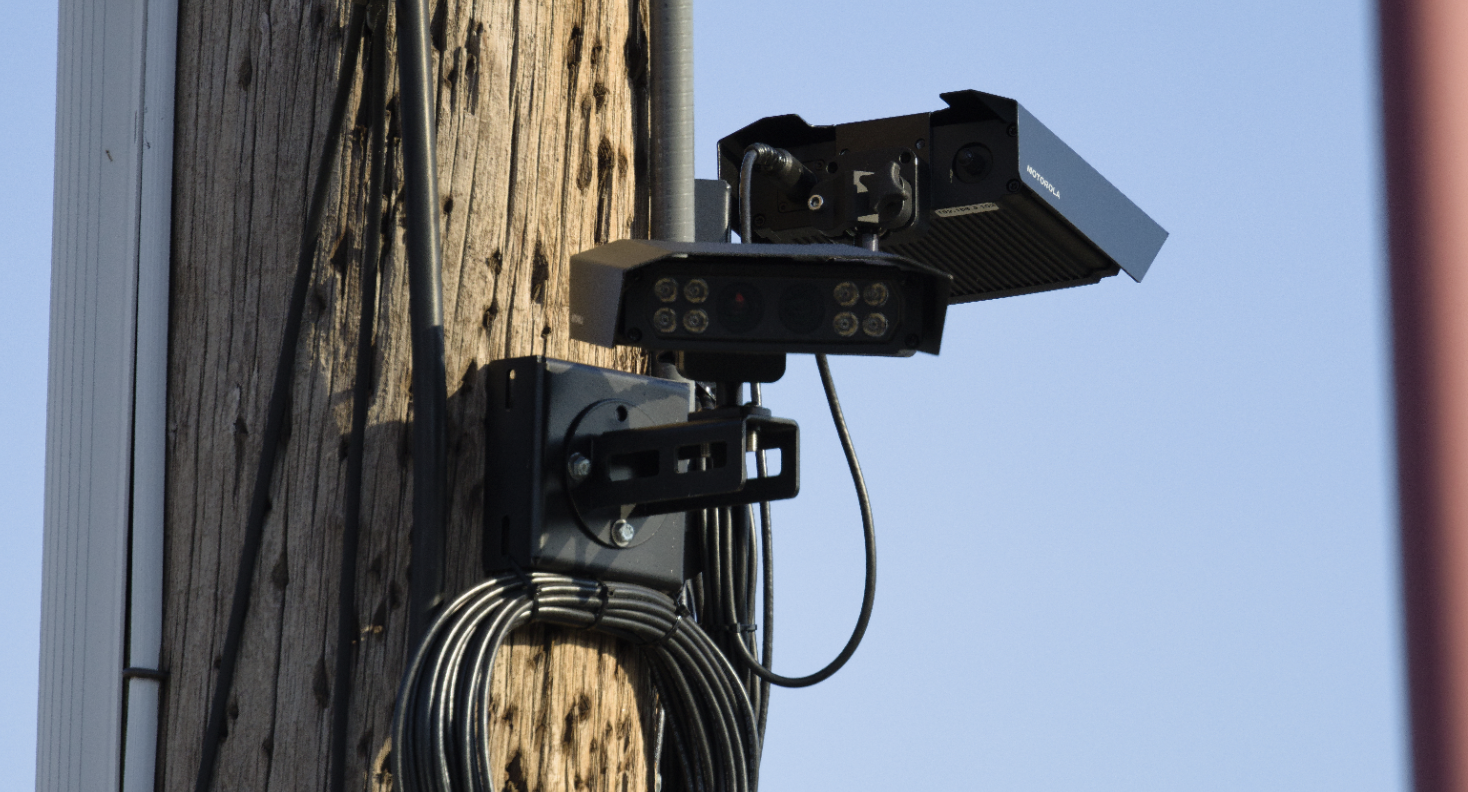
North Carolina has made its highway license plate camera program permanent, allowing law enforcement agencies to place automated readers beside state-maintained roads as officials tout public-safety benefits and privacy advocates warn about mass tracking.
The 2026 state budget authorizes the North Carolina Department of Transportation to enter agreements with the State Bureau of Investigation (SBI) for automatic license plate reader systems on state land and rights-of-way. The SBI may act for federal, state or local agencies and must report annually on policies, data requests and camera totals.
Automatic license plate readers photograph plates and convert images into searchable data, including plate numbers, times, locations and vehicle descriptions. The SBI’s April pilot report said 17 agencies had installed cameras at 140 locations by March 15. By that date, Raleigh’s three cameras had recorded 14.8 million plate scans. From July 1, 2025, through Jan. 31, 2026, they generated 956 National Crime Information Center alerts, including 227 stolen-vehicle alerts.
The report credited the technology with helping recover missing people and stolen vehicles, identify homicide suspects and intercept drugs. Republican House Speaker Destin Hall and Senate leader Phil Berger told WRAL that public-safety gains outweigh privacy concerns because motorists are visible in public.
Critics argue the system creates a searchable record of innocent drivers’ movements. The American Civil Liberties Union of North Carolina has said existing safeguards are insufficient to prevent abuse. WRAL found only Raleigh and Asheville among 32 pilot agencies had policies specifically addressing surveillance concerns involving protests or protected groups.
State law requires written agency policies, limits data use to law enforcement purposes, bars traffic-ticket enforcement and generally caps retention at 90 days. Unauthorized access or disclosure is a Class 1 misdemeanor.

Audit Flags Missing Data Behind $111 Million Helene Camps

Wake County To Pull Mugshots From Public Website

North Carolina Ends Minority Contracting Requirements

North Carolina Jails Struggle With Worsening Overcrowding

Republicans Hit Roy Cooper Over Winston-Salem ICE Arrest

Cary Residents Blast Leaders Over Extravagant Spending

System Failing Iryna Zarutska: Charlotte Light Rail Murder Suspect Dodges Trial On Mental Health Grounds As Family Waits For Justice

NC Budget Bust: Lawmakers Flee Raleigh as State Remains Only in Nation Without Spending Plan

New Poll Shows NC Republican Base Will Walk Away From 2026 Senate Race If SAVE America Act Dies In The Senate

Raleigh’s Comedy Scene Explodes as Three New Venues Open in the Triangle

Gov. Stein Demands Pay Raises While Doing Nothing To Break The Two-Year Legislative Stalemate He Helped Create

Secretary Mullin Visits Chimney Rock, Announces Millions In New Flood Relief For Hurricane Helene Victims
-
 BREAKING NEWS4 months ago
System Failing Iryna Zarutska: Charlotte Light Rail Murder Suspect Dodges Trial On Mental Health Grounds As Family Waits For Justice
-
 BREAKING NEWS4 months ago
NC Budget Bust: Lawmakers Flee Raleigh as State Remains Only in Nation Without Spending Plan
-
 BREAKING NEWS4 months ago
New Poll Shows NC Republican Base Will Walk Away From 2026 Senate Race If SAVE America Act Dies In The Senate
-
 LOCAL5 months ago
Raleigh’s Comedy Scene Explodes as Three New Venues Open in the Triangle
-
 BREAKING NEWS4 months ago
Gov. Stein Demands Pay Raises While Doing Nothing To Break The Two-Year Legislative Stalemate He Helped Create
-
 BREAKING NEWS4 months ago
Secretary Mullin Visits Chimney Rock, Announces Millions In New Flood Relief For Hurricane Helene Victims
-

 BREAKING NEWS4 months ago
Port of Wilmington Sets New Cargo Volume Record Amid East Coast Shipping Surge
-
 BREAKING NEWS4 months ago
NC Legislature Passes Historic Education Funding Bill Targeting Rural Schools