BREAKING NEWS
Republicans Hit Roy Cooper Over Winston-Salem ICE Arrest
GOP attack revives Cooper’s fight with lawmakers over immigration detainers

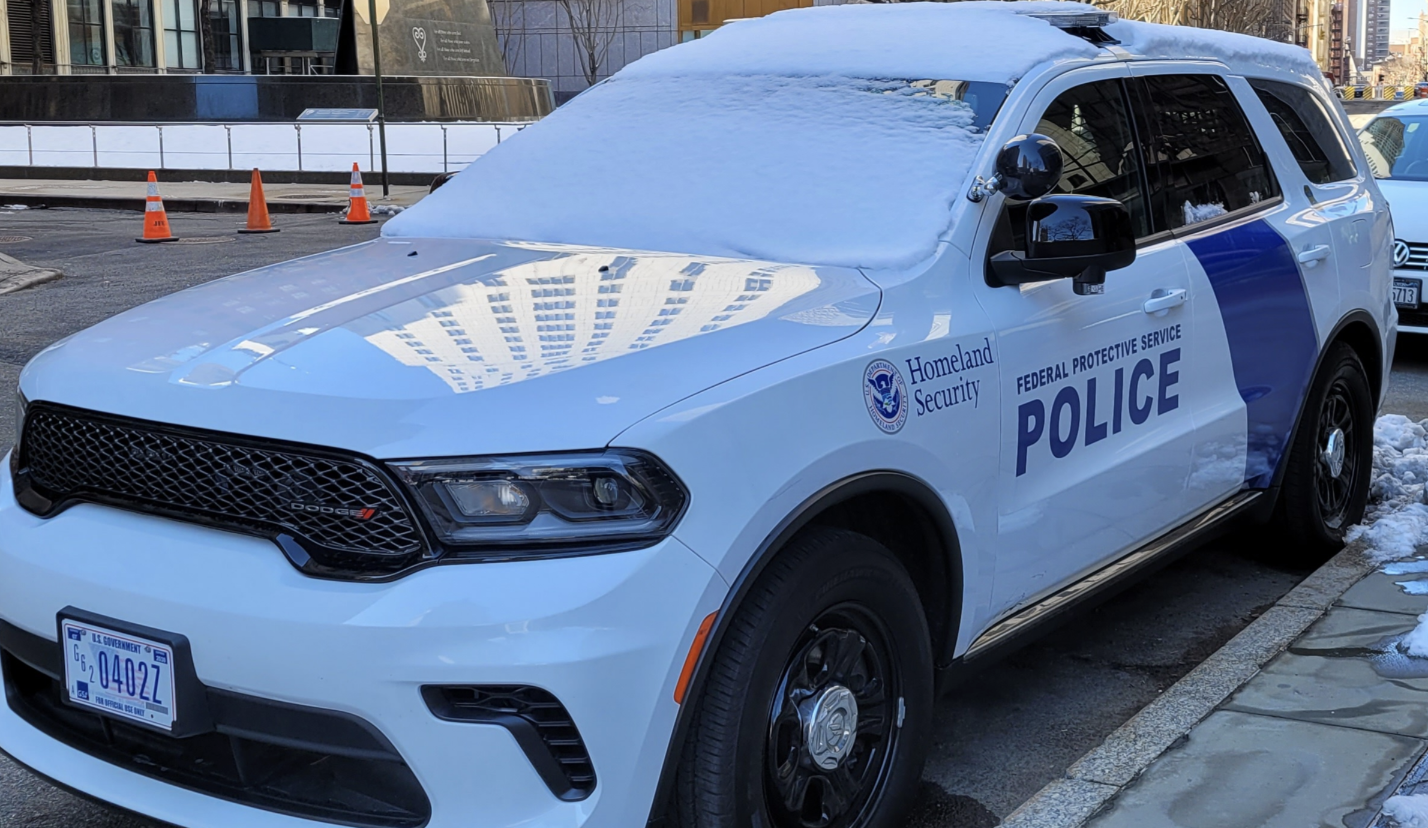
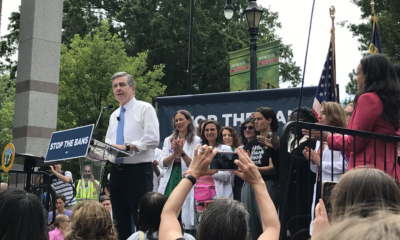
Republicans are renewing their immigration attack on former Gov. Roy Cooper, using the case of a Nicaraguan national arrested in Winston-Salem to argue that Cooper’s vetoes made the state less safe.
The National Republican Senatorial Committee (NRSC) said Humberto Narvaez Sandoval was arrested by U.S. Immigration and Customs Enforcement (ICE) after earlier arrests. Its July 22 release linked him to a Winston-Salem burglary case and court entries involving trespass, a concealed gun, firing a weapon inside city limits, impaired driving, resisting an officer, probation violations and reckless driving.
NRSC Press Secretary Nick Puglia said Cooper’s “soft-on-crime, sanctuary policies” allowed Sandoval to remain free. The committee pointed to Cooper’s 2019 veto of House Bill 370. Cooper called the measure unconstitutional and argued that it would force sheriffs to act as federal agents.
Cooper vetoed a similar measure in 2024, but Republican lawmakers overrode him and enacted House Bill 10. The law requires jail officials to check the immigration status of people charged with specified crimes and can keep someone subject to an immigration detainer and judicial order in custody for up to 48 hours.
The NRSC called North Carolina under Cooper a “sanctuary state,” but state law has prohibited cities from adopting policies that restrict federal immigration enforcement since 2015. The phrase is a political characterization, not an official state designation.
The attack lands in the Senate race between Cooper and Republican Michael Whatley for the seat being vacated by Sen. Thom Tillis. Immigration and public safety are becoming central Republican lines of attack in a contest that could help determine Senate control.








BREAKING NEWS
Cary Residents Blast Leaders Over Extravagant Spending
Taxpayers call for resignations after luxury meals, Ray-Bans and weak oversight come to light
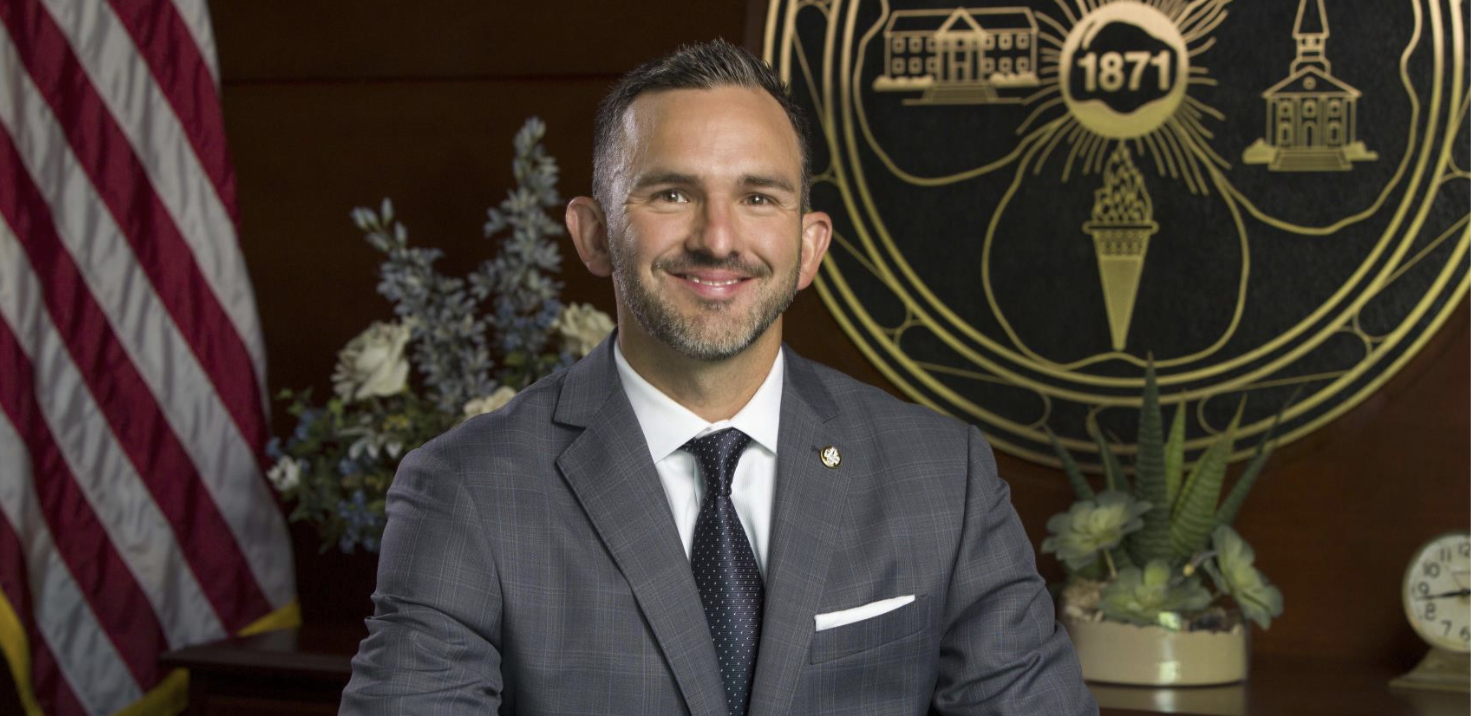
Cary residents packed Town Hall Thursday night and confronted elected leaders after a state investigation described excessive spending, weak controls and poor oversight of taxpayer money.
At the council’s first regular meeting since the report’s release, speakers accused members of ignoring warning signs and leaning too heavily on former Town Manager Sean Stegall. Some demanded resignations or a recall process, while one resident called the council’s claim that Stegall alone dominated town government “pathetic,” FOX8 reported.
The North Carolina Office of the State Auditor found Cary had issued 828 procurement cards to about 62% of employees, compared with a 16% average among nine other large municipalities. Employees made more than 60,000 card transactions totaling $24.2 million from January 2024 through December 2025. Auditors did not label that entire sum improper, but flagged purchases lacking a clear government purpose or appearing excessive.
Examples included $121,314 for videos tied to a Wilmington retreat, $65,653 for a ghostwriter to produce a book about Stegall’s management style, $1,600 for 10 pairs of Ray-Ban sunglasses and more than $100,000 in purchases without complete receipts.
Resident Marie Inserra urged lawmakers to authorize a local recall election. Michael Anderson asked everyone appearing in the retreat’s “Dancing Queen” documentary to resign, WRAL reported.
An independent review commissioned by Cary echoed the oversight concerns and recommended restoring an internal auditor and notifying the council before land purchases above $300,000. The council adopted an anti-retaliation policy for employees reporting misconduct and launched a public dashboard tracking nearly 40 recommended changes.
Stegall resigned in December 2025 after being placed on leave. Cary officials say he restricted information reaching council members, but State Auditor Dave Boliek said elected leaders failed to ask tough questions. Thursday’s backlash showed promised reforms have not ended demands for accountability.
BREAKING NEWS
North Carolina Opens State Highways To License Plate Surveillance
New camera network puts public safety and privacy on a collision course
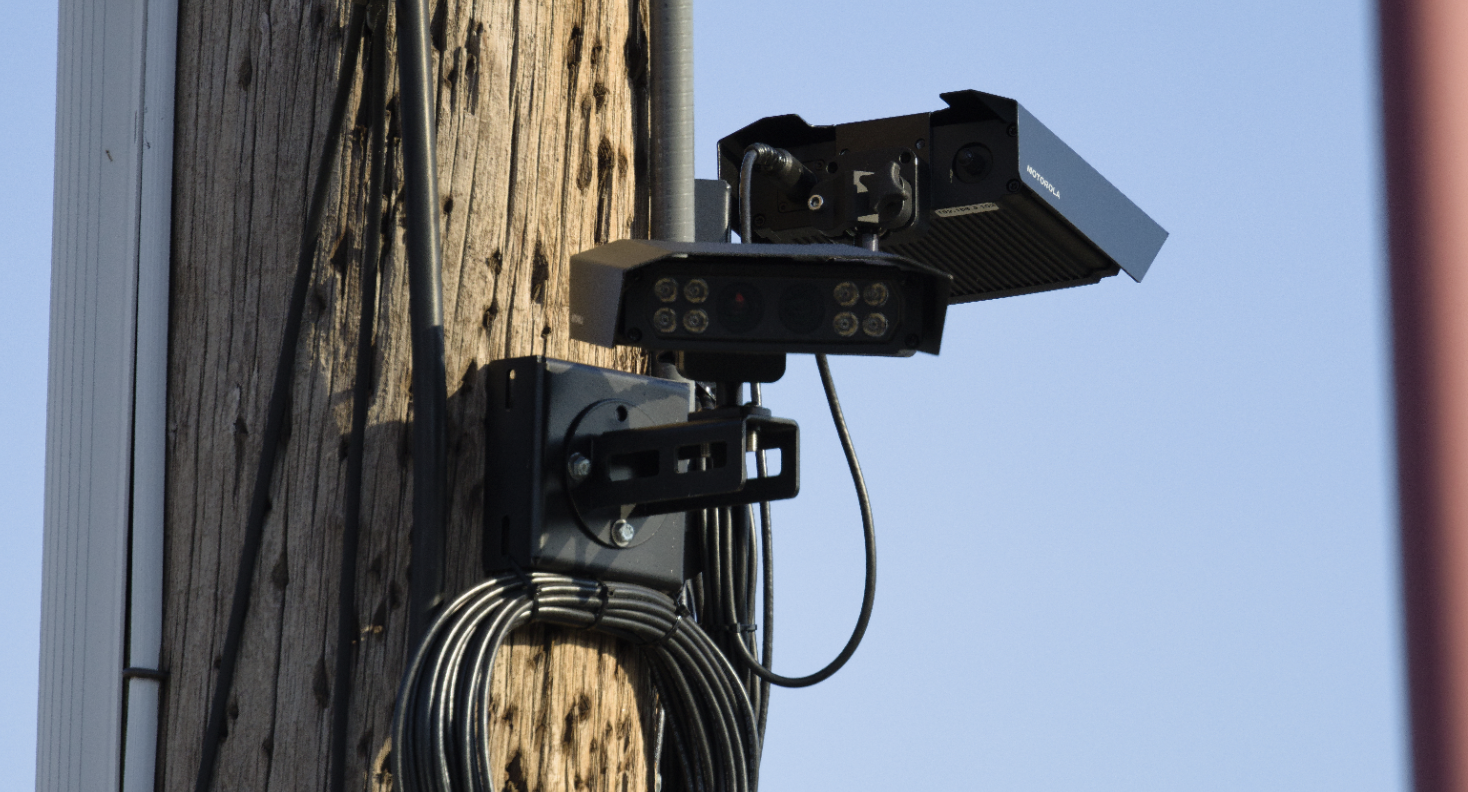
North Carolina has made its highway license plate camera program permanent, allowing law enforcement agencies to place automated readers beside state-maintained roads as officials tout public-safety benefits and privacy advocates warn about mass tracking.
The 2026 state budget authorizes the North Carolina Department of Transportation to enter agreements with the State Bureau of Investigation (SBI) for automatic license plate reader systems on state land and rights-of-way. The SBI may act for federal, state or local agencies and must report annually on policies, data requests and camera totals.
Automatic license plate readers photograph plates and convert images into searchable data, including plate numbers, times, locations and vehicle descriptions. The SBI’s April pilot report said 17 agencies had installed cameras at 140 locations by March 15. By that date, Raleigh’s three cameras had recorded 14.8 million plate scans. From July 1, 2025, through Jan. 31, 2026, they generated 956 National Crime Information Center alerts, including 227 stolen-vehicle alerts.
The report credited the technology with helping recover missing people and stolen vehicles, identify homicide suspects and intercept drugs. Republican House Speaker Destin Hall and Senate leader Phil Berger told WRAL that public-safety gains outweigh privacy concerns because motorists are visible in public.
Critics argue the system creates a searchable record of innocent drivers’ movements. The American Civil Liberties Union of North Carolina has said existing safeguards are insufficient to prevent abuse. WRAL found only Raleigh and Asheville among 32 pilot agencies had policies specifically addressing surveillance concerns involving protests or protected groups.
State law requires written agency policies, limits data use to law enforcement purposes, bars traffic-ticket enforcement and generally caps retention at 90 days. Unauthorized access or disclosure is a Class 1 misdemeanor.
BREAKING NEWS
North Carolina Hemp Crackdown Awaits House Vote
THC fight pits youth access concerns against hemp businesses
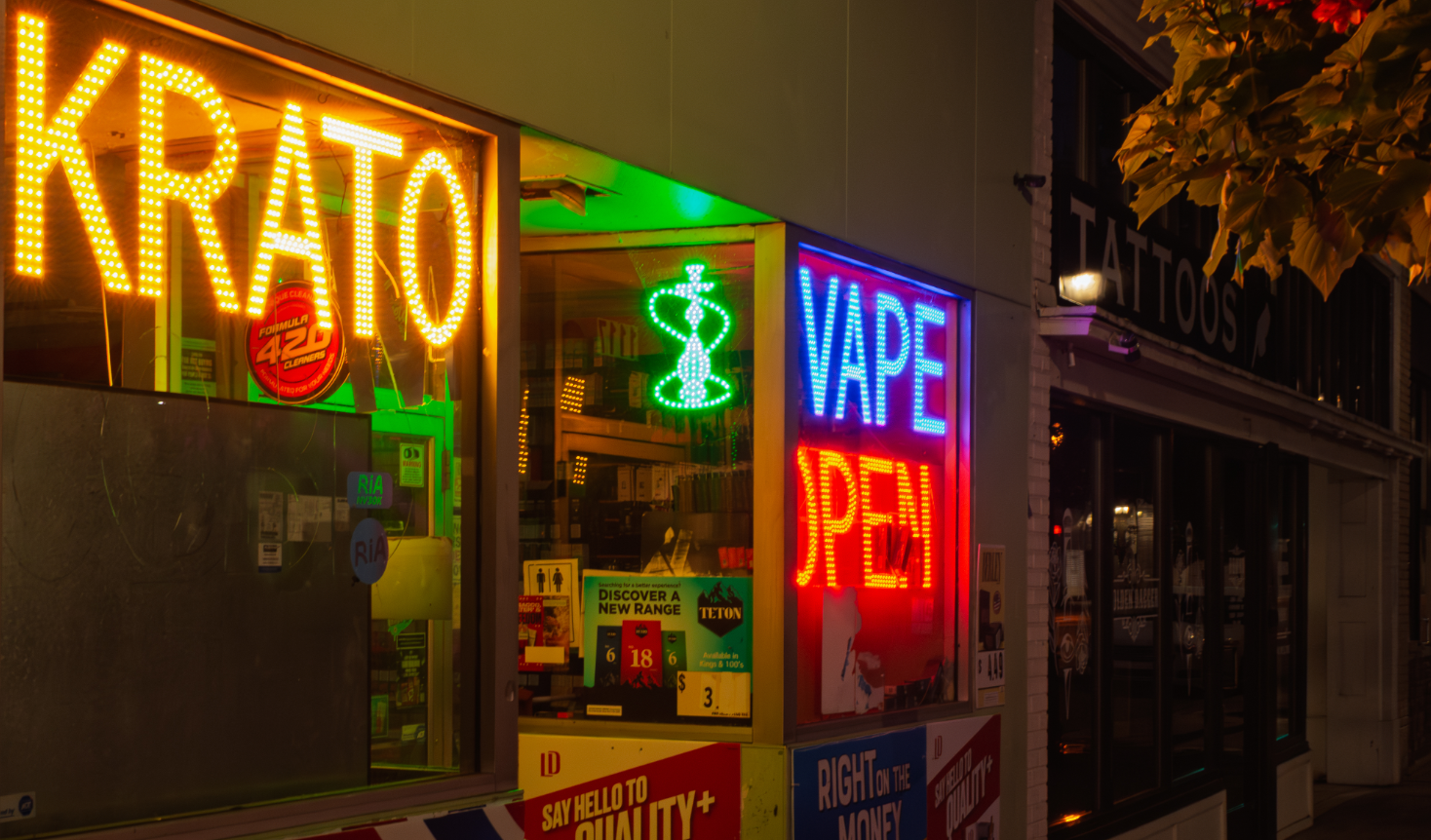
North Carolina lawmakers are weighing a hemp and kratom crackdown that could reshape a fast-growing market for gummies, seltzers, vapes and other intoxicating products sold at convenience stores, smoke shops and breweries.
House Bill 328 would prohibit any person from selling or delivering hemp-derived consumable products to anyone under 21, and would make underage possession illegal. The bill text says violations would be a Class 2 misdemeanor and could trigger civil penalties against retailers.
The measure targets the products themselves. The proposed conference bill defines prohibited finished hemp products as items with more than 0.4 milligrams of total tetrahydrocannabinol (THC) per retail container, or products containing synthetic or chemically converted cannabinoids. It would regulate kratom, ban synthetic kratom products and block kratom sales or possession for people under 21.
The Senate adopted the conference report 37-6 July 2, according to the North Carolina General Assembly. The bill has not yet reached Gov. Josh Stein because the House declined to take a final vote before lawmakers left Raleigh for a break. House Speaker Destin Hall said members needed more time to study technical language, WUNC reported, and the House is expected to return the week of July 27.
Supporters say North Carolina cannot leave intoxicating hemp products loosely regulated, especially when some are packaged and marketed in ways that appeal to minors. WRAL reported the state currently has no age restriction for buying intoxicating hemp-based products.
Hemp businesses warn the bill could wipe out much of the legal market. Axios reported Trophy Brewing may stop making THC seltzers, while WLOS reported Asheville retailers say the 0.4 milligram cap would effectively eliminate many products on shelves.
The fight now is whether lawmakers can protect minors without turning regulation into a de facto prohibition on North Carolina’s legal hemp industry.

Wake County To Pull Mugshots From Public Website

North Carolina Ends Minority Contracting Requirements

North Carolina Jails Struggle With Worsening Overcrowding

Republicans Hit Roy Cooper Over Winston-Salem ICE Arrest

Cary Residents Blast Leaders Over Extravagant Spending

North Carolina Opens State Highways To License Plate Surveillance

System Failing Iryna Zarutska: Charlotte Light Rail Murder Suspect Dodges Trial On Mental Health Grounds As Family Waits For Justice

NC Budget Bust: Lawmakers Flee Raleigh as State Remains Only in Nation Without Spending Plan

New Poll Shows NC Republican Base Will Walk Away From 2026 Senate Race If SAVE America Act Dies In The Senate

Raleigh’s Comedy Scene Explodes as Three New Venues Open in the Triangle

Gov. Stein Demands Pay Raises While Doing Nothing To Break The Two-Year Legislative Stalemate He Helped Create

Secretary Mullin Visits Chimney Rock, Announces Millions In New Flood Relief For Hurricane Helene Victims
-
 BREAKING NEWS4 months ago
System Failing Iryna Zarutska: Charlotte Light Rail Murder Suspect Dodges Trial On Mental Health Grounds As Family Waits For Justice
-
 BREAKING NEWS4 months ago
NC Budget Bust: Lawmakers Flee Raleigh as State Remains Only in Nation Without Spending Plan
-
 BREAKING NEWS4 months ago
New Poll Shows NC Republican Base Will Walk Away From 2026 Senate Race If SAVE America Act Dies In The Senate
-
 LOCAL4 months ago
Raleigh’s Comedy Scene Explodes as Three New Venues Open in the Triangle
-
 BREAKING NEWS4 months ago
Gov. Stein Demands Pay Raises While Doing Nothing To Break The Two-Year Legislative Stalemate He Helped Create
-
 BREAKING NEWS4 months ago
Secretary Mullin Visits Chimney Rock, Announces Millions In New Flood Relief For Hurricane Helene Victims
-

 BREAKING NEWS4 months ago
Port of Wilmington Sets New Cargo Volume Record Amid East Coast Shipping Surge
-
 BREAKING NEWS4 months ago
NC Legislature Passes Historic Education Funding Bill Targeting Rural Schools