
Business
MSNBC finishes first in primetime basic cable for first time ever
Temporibus autem quibusdam et aut officiis debitis aut rerum necessitatibus saepe eveniet ut et voluptates.


Quis autem vel eum iure reprehenderit qui in ea voluptate velit esse quam nihil molestiae consequatur, vel illum qui dolorem eum fugiat quo voluptas nulla pariatur.
Temporibus autem quibusdam et aut officiis debitis aut rerum necessitatibus saepe eveniet ut et voluptates repudiandae sint et molestiae non recusandae. Itaque earum rerum hic tenetur a sapiente delectus, ut aut reiciendis voluptatibus maiores alias consequatur aut perferendis doloribus asperiores repellat.
Lorem ipsum dolor sit amet, consectetur adipisicing elit, sed do eiusmod tempor incididunt ut labore et dolore magna aliqua. Ut enim ad minim veniam, quis nostrud exercitation ullamco laboris nisi ut aliquip ex ea commodo consequat.
Nemo enim ipsam voluptatem quia voluptas sit aspernatur aut odit aut fugit, sed quia consequuntur magni dolores eos qui ratione voluptatem sequi nesciunt.
Et harum quidem rerum facilis est et expedita distinctio. Nam libero tempore, cum soluta nobis est eligendi optio cumque nihil impedit quo minus id quod maxime placeat facere possimus, omnis voluptas assumenda est, omnis dolor repellendus.
Nulla pariatur. Excepteur sint occaecat cupidatat non proident, sunt in culpa qui officia deserunt mollit anim id est laborum.
Sed ut perspiciatis unde omnis iste natus error sit voluptatem accusantium doloremque laudantium, totam rem aperiam, eaque ipsa quae ab illo inventore veritatis et quasi architecto beatae vitae dicta sunt explicabo.
“Duis aute irure dolor in reprehenderit in voluptate velit esse cillum dolore eu fugiat”
Neque porro quisquam est, qui dolorem ipsum quia dolor sit amet, consectetur, adipisci velit, sed quia non numquam eius modi tempora incidunt ut labore et dolore magnam aliquam quaerat voluptatem. Ut enim ad minima veniam, quis nostrum exercitationem ullam corporis suscipit laboriosam, nisi ut aliquid ex ea commodi consequatur.
At vero eos et accusamus et iusto odio dignissimos ducimus qui blanditiis praesentium voluptatum deleniti atque corrupti quos dolores et quas molestias excepturi sint occaecati cupiditate non provident, similique sunt in culpa qui officia deserunt mollitia animi, id est laborum et dolorum fuga.
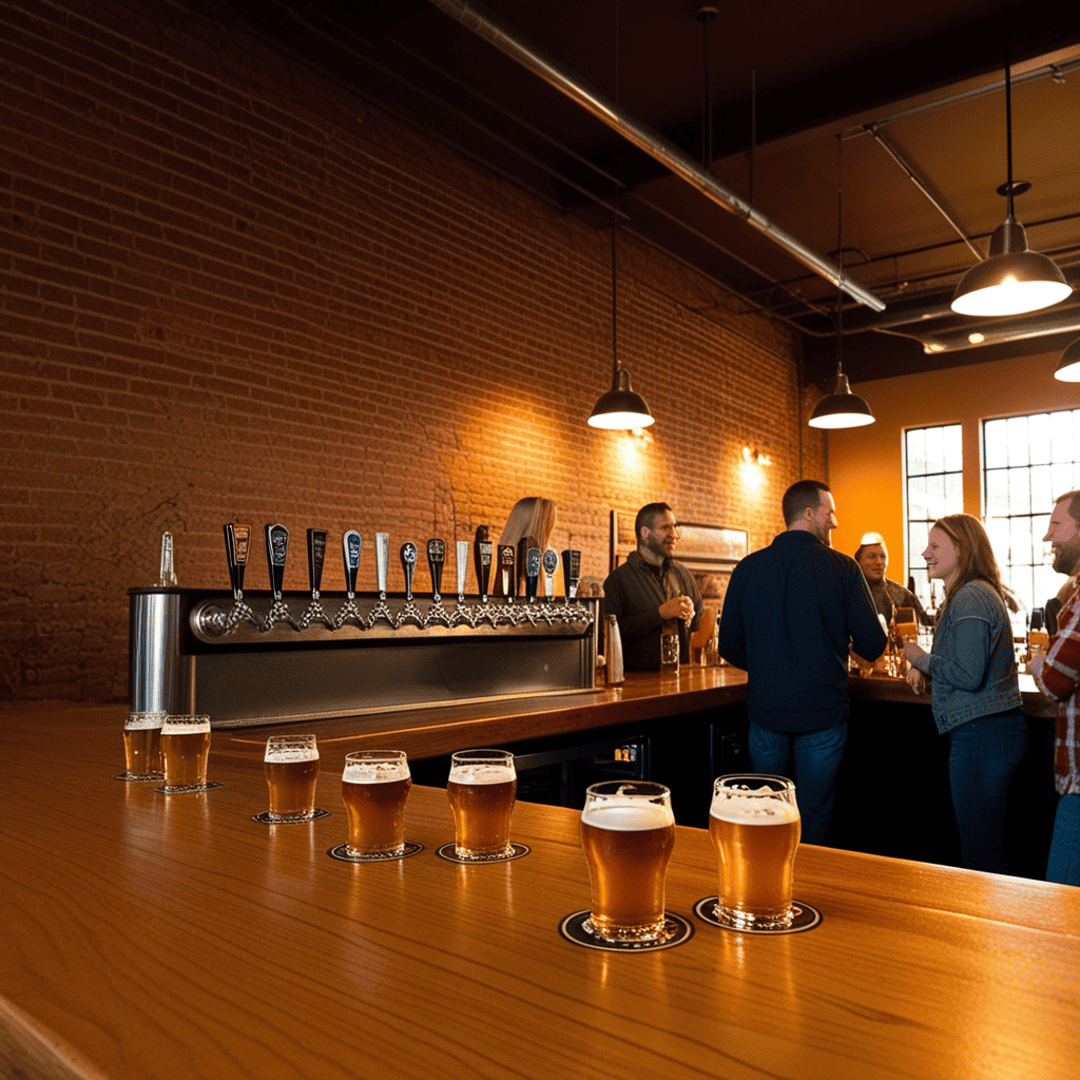
Asheville’s reputation as a craft beer destination is translating into serious economic muscle. A new report from the Buncombe County Tourism Development Authority reveals that brewery-related tourism generated $180 million in direct economic impact in 2025, a 23 percent increase from the previous year and a figure that has caught the attention of economic development officials across the Southeast.
The report found that approximately 1.2 million visitors cited craft breweries as a primary reason for visiting the Asheville area last year, up from 900,000 in 2023. These visitors spent an average of $148 per day on lodging, food, transportation, and retail in addition to their brewery purchases.
“Beer tourism has become the anchor of our visitor economy in a way that nobody predicted a decade ago,” said Tourism Authority director James McConnell. “It’s not just about the beer — it’s the entire ecosystem of restaurants, hotels, shops, and experiences that has grown up around it.”
Asheville is now home to more than 55 breweries within the metropolitan area, giving it one of the highest per-capita brewery counts of any city in the United States. The “South Slope” brewery district has become particularly iconic, with several blocks of converted industrial buildings housing taprooms that draw crowds on any given afternoon.
The industry has also proven to be a significant job creator, employing more than 2,800 people directly in brewing operations and taprooms, with an estimated 5,000 additional jobs in supporting industries. Several Asheville breweries have begun exporting to international markets, adding another dimension to the economic story. City planners are now working to manage growth sustainably, with new zoning proposals aimed at preserving the character of brewery districts while accommodating expansion.

The Port of Wilmington has recorded its busiest quarter in history, handling 3.2 million tons of cargo in the first three months of 2026 — a 15 percent increase over the same period last year that positions North Carolina’s primary deepwater port as an increasingly vital player in East Coast trade.
The surge has been driven by a combination of factors, including new shipping routes from Southeast Asia, the expansion of cold storage facilities that have attracted pharmaceutical and agricultural importers, and the ongoing diversification of supply chains away from overconcentrated West Coast ports.
“Companies are rethinking their logistics networks, and Wilmington keeps coming up as the answer,” said port director Brian Clark. “Our location, our rail connections, and our capacity for growth give us advantages that are hard to match on the Eastern Seaboard.”
A $200 million modernization project completed last year added two new container cranes, deepened the main shipping channel to 44 feet, and expanded the port’s refrigerated container capacity by 40 percent. Those investments are now paying dividends as shipping lines that previously bypassed Wilmington in favor of Charleston or Savannah add regular service to the North Carolina port.
The port’s growth is rippling through the regional economy. Warehouse and logistics companies along the I-40 corridor between Wilmington and Raleigh are expanding rapidly, and the port now supports an estimated 18,000 direct and indirect jobs in southeastern North Carolina. State officials say the port’s trajectory reinforces the case for continued infrastructure investment along the coast.

Charlotte’s transformation from traditional banking capital to fintech innovation hub has reached a new milestone. A comprehensive industry report released this week ranks the Queen City as the third-largest fintech ecosystem in the United States, trailing only New York and San Francisco in total company count, investment volume, and employment.
The report, published by the Fintech Innovation Alliance, found that Charlotte is now home to more than 280 fintech companies employing approximately 14,000 workers — a threefold increase from 2020. Total venture investment in Charlotte-based fintech firms exceeded $1.4 billion in 2025, up from just $320 million five years ago.
“What’s happening in Charlotte isn’t a bubble — it’s the natural evolution of a city that has lived and breathed financial services for generations,” said report co-author Michael Torres. “The talent, the institutional knowledge, the regulatory relationships — those are moats that other cities can’t replicate overnight.”
The ecosystem spans a broad range of financial technology, from payment processing and digital lending to blockchain infrastructure and wealth management platforms. Several Charlotte fintech firms have achieved unicorn status in the past two years, including mobile banking platform NestEgg and commercial lending marketplace CapitalBridge.
Crucially, the growth is being supported by the traditional banking giants that have long defined Charlotte’s economy. Both Bank of America and Truist have launched fintech accelerator programs, and Wells Fargo’s Charlotte technology center has become a pipeline for entrepreneurs who eventually spin out to start their own companies. The city’s fintech association is now lobbying for a dedicated innovation district in Uptown Charlotte that would include subsidized office space for early-stage companies.


Carolina Panthers’ First-Round Draft Pick Electrifies Training Camp

Research Triangle Startups Raise Record $2.1 Billion in First Quarter

Asheville Film Festival Announces Ambitious 2026 Lineup Featuring Local Filmmakers
-

 Fashion9 years ago
These ’90s fashion trends are making a comeback in 2017
-
Entertainment9 years ago
The final 6 ‘Game of Thrones’ episodes might feel like a full season
-
Fashion9 years ago
According to Dior Couture, this taboo fashion accessory is back
-
Entertainment9 years ago
The old and New Edition cast comes together to perform
-
Sports9 years ago
Phillies’ Aaron Altherr makes mind-boggling barehanded play
-
Business9 years ago
Uber and Lyft are finally available in all of New York State
-
Entertainment9 years ago
Disney’s live-action Aladdin finally finds its stars
-
Sports9 years ago
Steph Curry finally got the contract he deserves from the Warriors