
BREAKING NEWS
Mecklenburg County Drops Felony Rental Car Charge Against Rep.-Elect LaKesha Womack
The 2020 summons reached Womack at a campaign stop four days before early voting began

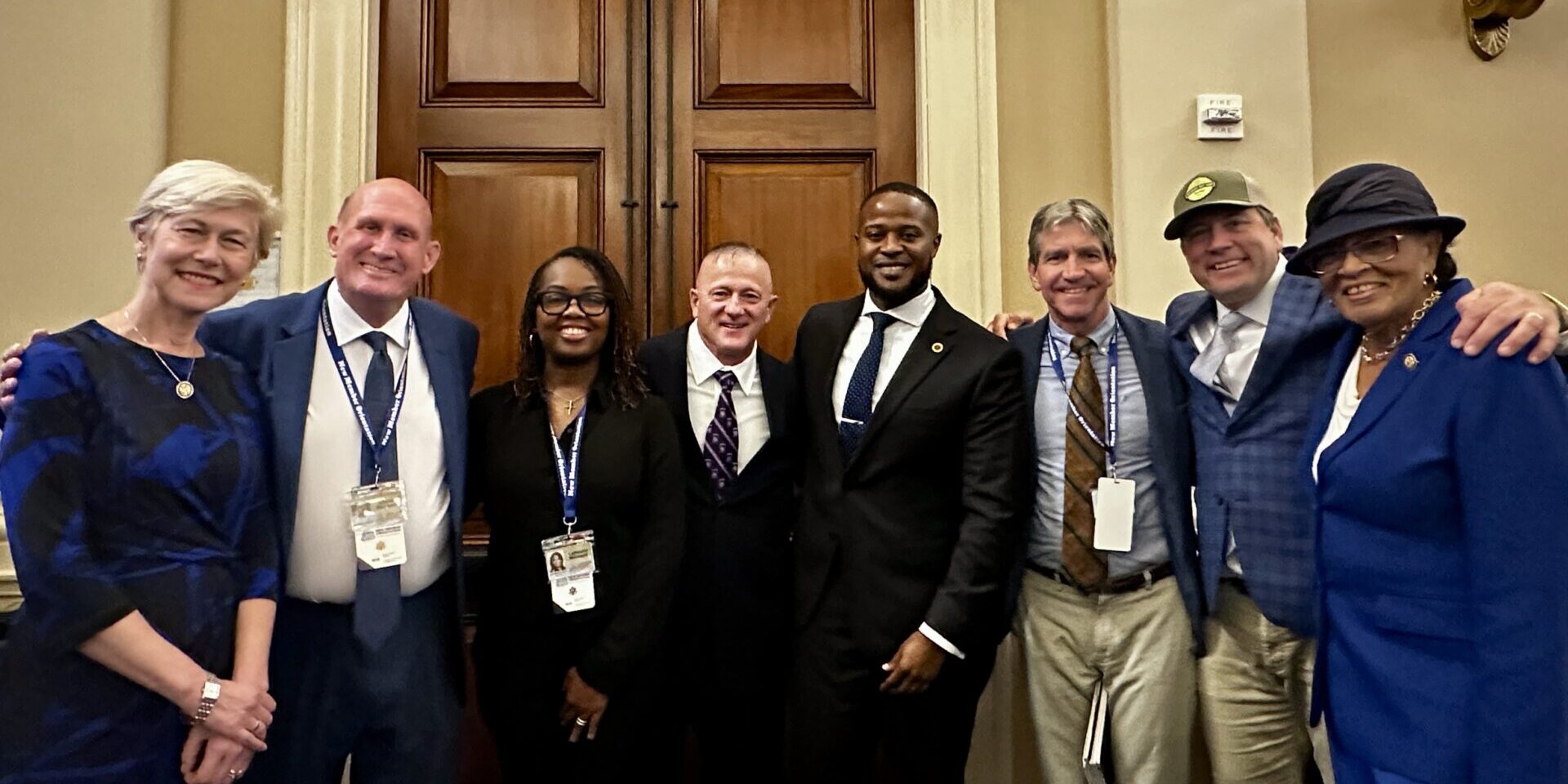
Mecklenburg County District Attorney Spencer Merriweather dropped a felony charge against U.S. Rep.-elect LaKesha Womack on Tuesday after she agreed to pay Budget Car Rental for the time a rental car was overdue. The company told prosecutors it considered the matter resolved.
The dismissal came three weeks after Womack, a first-time Democratic candidate, defeated Republican U.S. Rep. Tim Moore in North Carolina’s 14th Congressional District. Moore, who spent a decade as speaker of the North Carolina House, had featured the charge in campaign ads.
Womack rented a Toyota Corolla from Budget on Aug. 27, 2019, and renewed the agreement twice. Local law enforcement recovered the car and returned it to Budget on Dec. 4. The criminal summons for felony failure to return hired property dates to Jan. 14, 2020, according to the district attorney’s statement.
The summons went unserved for more than six years. Officers served Womack outside a campaign event in Polk County on Oct. 11, four days before early voting began. In remarks to supporters reported by WSOC-TV, Womack acknowledged missing the return date. She said she and her son had been homeless and she had nowhere to receive mail.
Womack’s attorney appeared on her behalf on Nov. 10, when Merriweather said his office began reviewing the case. Six days later, prosecutors learned of her agreement with Budget. After confirming the payment and speaking with company representatives, they dismissed the charge with prejudice, which bars them from filing it again.
The North Carolina State Board of Elections certified the congressional results the same day. Womack defeated Moore by 6,567 votes and will take office in January.








BREAKING NEWS
Charlotte Seeks Dismissal Of Iryna Zarutska Wrongful Death Suit
Her estate says stronger transit security could have prevented the killing

Charlotte is asking a judge to dismiss the wrongful death lawsuit brought by Iryna Zarutska’s estate, arguing governmental immunity protects the city from claims that inadequate transit security contributed to her killing.
The city filed its response Nov. 16 in Mecklenburg County Superior Court. It acknowledges that no private security guard was inside Zarutska’s train car during the attack, Fox News Digital reported.
Zarutska, a 23-year-old Ukrainian refugee, was fatally stabbed aboard the Charlotte Area Transit System’s Lynx Blue Line Aug. 22, 2025. Decarlos Brown Jr. faces state and federal charges in her death.
Her uncle and estate administrator, Frank Scott Haskell, sued Charlotte and its security contractor, Professional Police Services, doing business as Professional Security Services, Aug. 21.
The lawsuit alleges stronger fare enforcement, entry barriers, and adequate security staffing could have prevented her death. The estate argues Charlotte cannot claim immunity for operating a fare-collecting transit system, which it characterizes as a business activity.
Charlotte argues in its response that policing, crime prevention, and security oversight are governmental functions protected under state law.
“The City denies that it ignored passenger safety or that its conduct legally caused that attack,” its attorneys wrote. They said the transit system contracted for armed and unarmed security before the killing.
City attorneys dispute that earlier transit crimes made this attack reasonably foreseeable or that staffing and fare-enforcement decisions legally caused it.
If claims proceed, Charlotte is asking the court to limit its liability to $1 million under the state law it cites.
No ruling had been reported as of Nov. 20. A judge will determine whether some or all claims against Charlotte can move forward.
BREAKING NEWS
UNC Sued Over Access To Course Reading Lists
Complaint says public syllabi omit the reading materials taxpayers asked to see

A conservative education group is suing UNC-Chapel Hill, alleging the university violated North Carolina’s public records law by withholding course reading lists and instructional materials.
Defending Education filed the complaint Nov. 10 in Orange County Superior Court against the university and Chancellor Lee Roberts. The group submitted requests Oct. 16 and Oct. 23 covering 29 fall 2026 courses, including “Defining Blackness,” “Black Feminism,” “Feminism and Political Theory” and “Slavery and the University,” NC Newsline reported.
The requests sought more than posted syllabi. They included assigned reading lists, course plans, materials emailed to students and files stored in Canvas, UNC’s learning-management system. According to the complaint, UNC closed both requests and directed Defending Education to its Simple Syllabus platform, saying no additional responsive documents existed.
A UNC System policy adopted in December 2025 requires institutions to post syllabi online and treats them as public records. However, its minimum requirements include materials students must purchase, not necessarily every assigned reading, handout or daily schedule. That distinction is central to the lawsuit.
North Carolina law broadly defines public records as materials made or received in connection with public business and says those records are “the property of the people.” Defending Education wants a judge to order UNC to conduct a broader search, submit responsive records for court review, and produce documents subject to disclosure.
No judge has ruled that UNC violated the law. The allegations have not been adjudicated, and the university did not immediately respond to NC Newsline’s request for comment.
The case follows a 2025 request from the Heritage Foundation-linked Oversight Project for materials from 74 UNC courses. UNC rejected that request on faculty intellectual-property grounds. The new lawsuit could determine whether public access extends beyond posted syllabi to Canvas files, instructor records, and other materials used inside public university classrooms.
BREAKING NEWS
Lumberton Tax Preparer Gets Five Years In $23.9 Million COVID Fraud Scheme
Nearly $14 million was paid before investigators stopped the scheme
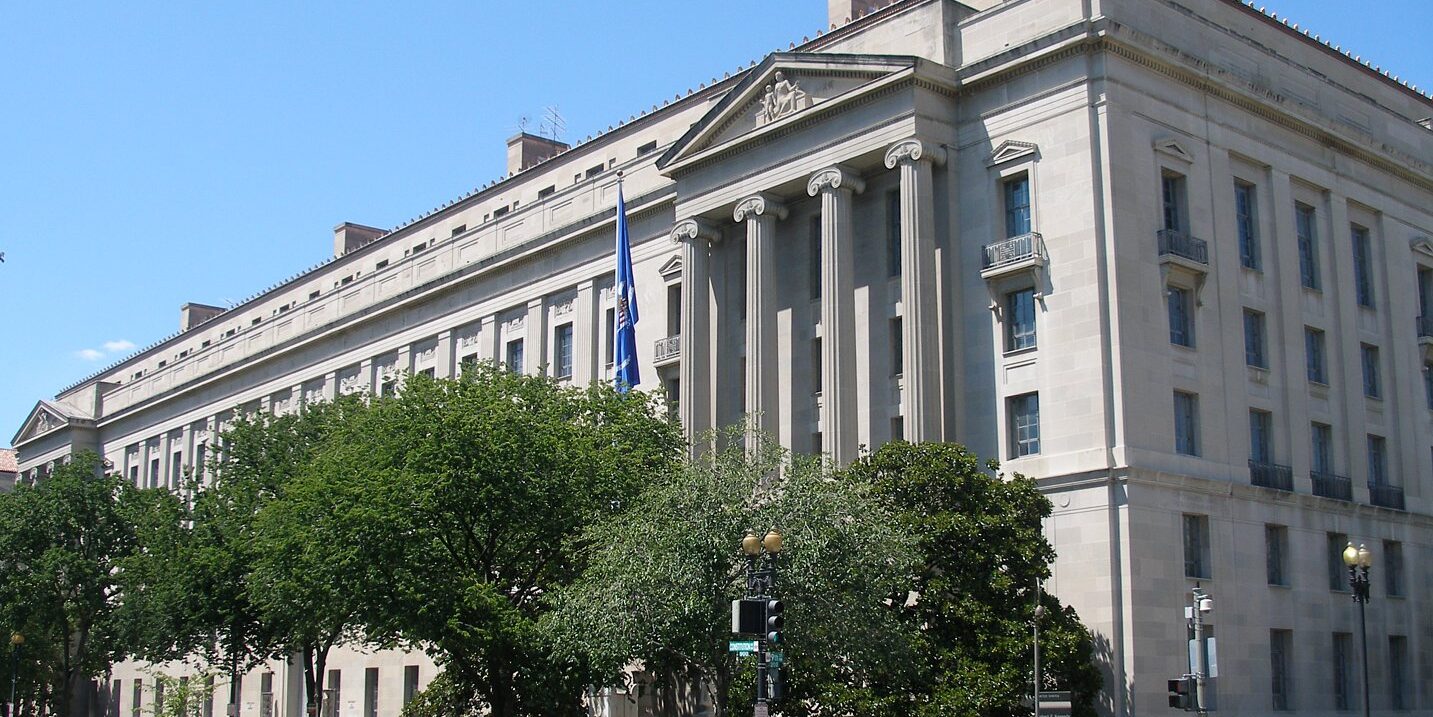
A North Carolina tax preparer was sentenced to five years in federal prison for leading a scheme that submitted nearly $24 million in fraudulent COVID-19 tax refund claims.
Chief U.S. District Judge Richard E. Myers II sentenced Nejlai Mitchell, 48, Oct. 1. The U.S. Attorney’s Office for the Eastern District of North Carolina announced the result Nov. 9, saying the court ordered Mitchell to forfeit $13,890,697.
Mitchell owned and operated tax preparation offices in Lumberton and Hope Mills. From April 2022 through May 2023, prosecutors said, she and seven employees filed false returns claiming paid sick and family leave credits for clients who were not entitled to them.
Congress created the refundable credits to reimburse eligible employers and certain self-employed people for income lost because of COVID-19-related leave. The Internal Revenue Service says legitimate claims required supporting records showing the taxpayer qualified.
The conspiracy sought approximately $23.9 million in refunds. The IRS paid about $13.89 million before the scheme was stopped, according to the Justice Department. Mitchell pleaded guilty to conspiracy and assisting in the preparation of false tax returns.
Seven co-conspirators pleaded guilty. Five received prison terms before Mitchell’s sentencing, ranging from six months to 26 months. Office manager Whitnee Leach pleaded guilty in May to participating in the conspiracy, while Jeannie Negron and other preparers admitted filing returns containing materially false information.
Internal Revenue Service Criminal Investigation handled the case. U.S. Attorney Ellis Boyle said the refunds were not mistakes but deliberate theft from taxpayers and businesses the pandemic programs were intended to support.
The case demonstrates the scale of fraud tied to temporary relief programs and the exposure tax professionals face when they use clients’ returns to manufacture federal benefits. Mitchell’s five-year term is the longest sentence announced in the prosecution.

Chuck Hubbard Unseats Virginia Foxx By 330 Votes

Mecklenburg County Drops Felony Rental Car Charge Against Rep.-Elect LaKesha Womack

Asheville Plans $500 Million Affordable Housing Overhaul

Charlotte Seeks Dismissal Of Iryna Zarutska Wrongful Death Suit

UNC Sued Over Access To Course Reading Lists

Lumberton Tax Preparer Gets Five Years In $23.9 Million COVID Fraud Scheme

System Failing Iryna Zarutska: Charlotte Light Rail Murder Suspect Dodges Trial On Mental Health Grounds As Family Waits For Justice

Meta Agrees To Pay North Carolina Up To $645 Million

Raleigh’s Comedy Scene Explodes as Three New Venues Open in the Triangle

Gov. Stein Demands Pay Raises While Doing Nothing To Break The Two-Year Legislative Stalemate He Helped Create

Secretary Mullin Visits Chimney Rock, Announces Millions In New Flood Relief For Hurricane Helene Victims

New Poll Shows NC Republican Base Will Walk Away From 2026 Senate Race If SAVE America Act Dies In The Senate
-
 BREAKING NEWS8 months ago
System Failing Iryna Zarutska: Charlotte Light Rail Murder Suspect Dodges Trial On Mental Health Grounds As Family Waits For Justice
-
 BREAKING NEWS3 months ago
Meta Agrees To Pay North Carolina Up To $645 Million
-
 LOCAL9 months ago
Raleigh’s Comedy Scene Explodes as Three New Venues Open in the Triangle
-
 BREAKING NEWS8 months ago
Gov. Stein Demands Pay Raises While Doing Nothing To Break The Two-Year Legislative Stalemate He Helped Create
-
 BREAKING NEWS8 months ago
Secretary Mullin Visits Chimney Rock, Announces Millions In New Flood Relief For Hurricane Helene Victims
-
 BREAKING NEWS8 months ago
New Poll Shows NC Republican Base Will Walk Away From 2026 Senate Race If SAVE America Act Dies In The Senate
-

 NATIONAL11 months ago
One of the Worst Flu Seasons in Years Is Hitting New Hampshire — And Hospitals Are Feeling It
-

 BREAKING NEWS8 months ago
NC Budget Bust: Lawmakers Flee Raleigh as State Remains Only in Nation Without Spending Plan