BREAKING NEWS
Lumberton Tax Preparer Gets Five Years In $23.9 Million COVID Fraud Scheme
Nearly $14 million was paid before investigators stopped the scheme

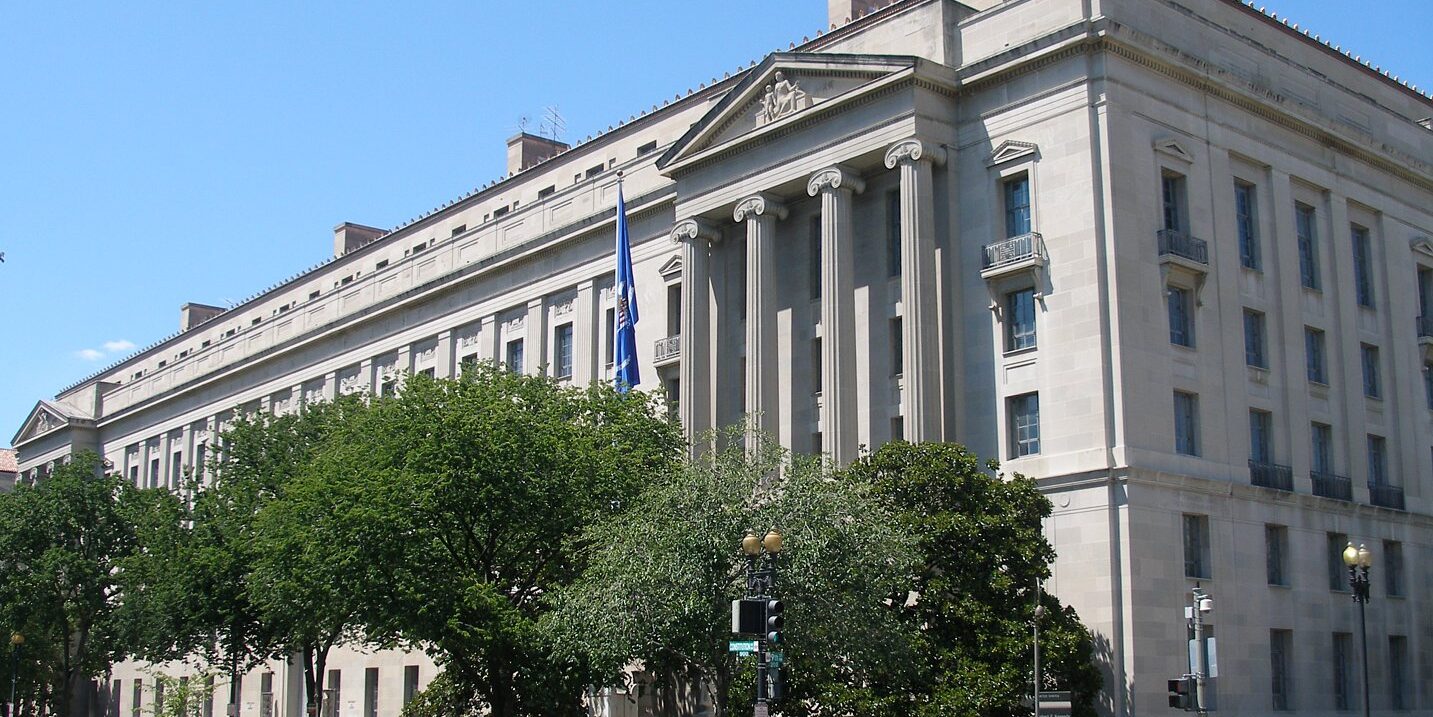
A North Carolina tax preparer was sentenced to five years in federal prison for leading a scheme that submitted nearly $24 million in fraudulent COVID-19 tax refund claims.
Chief U.S. District Judge Richard E. Myers II sentenced Nejlai Mitchell, 48, Oct. 1. The U.S. Attorney’s Office for the Eastern District of North Carolina announced the result Nov. 9, saying the court ordered Mitchell to forfeit $13,890,697.
Mitchell owned and operated tax preparation offices in Lumberton and Hope Mills. From April 2022 through May 2023, prosecutors said, she and seven employees filed false returns claiming paid sick and family leave credits for clients who were not entitled to them.
Congress created the refundable credits to reimburse eligible employers and certain self-employed people for income lost because of COVID-19-related leave. The Internal Revenue Service says legitimate claims required supporting records showing the taxpayer qualified.
The conspiracy sought approximately $23.9 million in refunds. The IRS paid about $13.89 million before the scheme was stopped, according to the Justice Department. Mitchell pleaded guilty to conspiracy and assisting in the preparation of false tax returns.
Seven co-conspirators pleaded guilty. Five received prison terms before Mitchell’s sentencing, ranging from six months to 26 months. Office manager Whitnee Leach pleaded guilty in May to participating in the conspiracy, while Jeannie Negron and other preparers admitted filing returns containing materially false information.
Internal Revenue Service Criminal Investigation handled the case. U.S. Attorney Ellis Boyle said the refunds were not mistakes but deliberate theft from taxpayers and businesses the pandemic programs were intended to support.
The case demonstrates the scale of fraud tied to temporary relief programs and the exposure tax professionals face when they use clients’ returns to manufacture federal benefits. Mitchell’s five-year term is the longest sentence announced in the prosecution.


BREAKING NEWS
UNC Sued Over Access To Course Reading Lists
Complaint says public syllabi omit the reading materials taxpayers asked to see
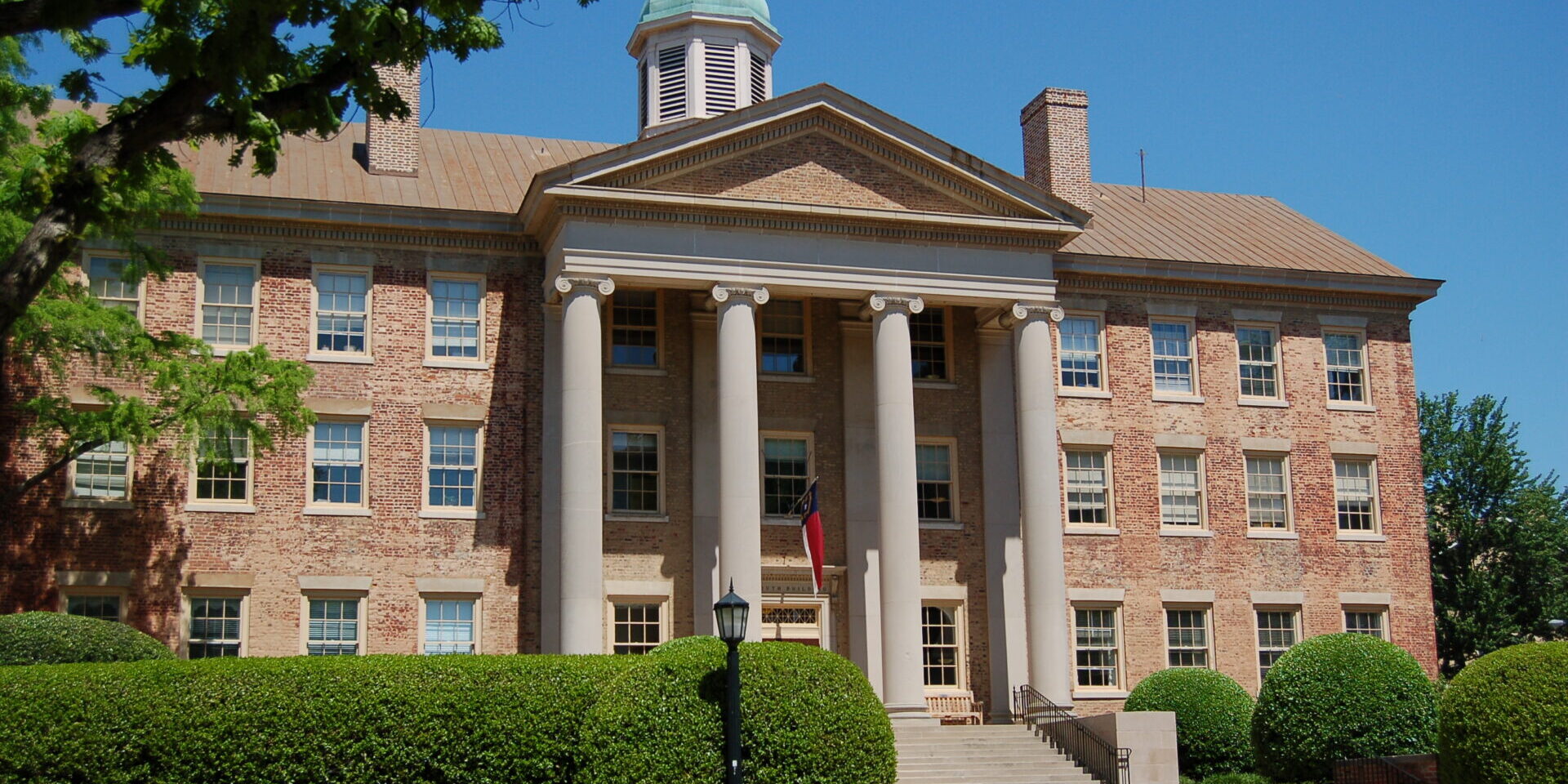
A conservative education group is suing UNC-Chapel Hill, alleging the university violated North Carolina’s public records law by withholding course reading lists and instructional materials.
Defending Education filed the complaint Nov. 10 in Orange County Superior Court against the university and Chancellor Lee Roberts. The group submitted requests Oct. 16 and Oct. 23 covering 29 fall 2026 courses, including “Defining Blackness,” “Black Feminism,” “Feminism and Political Theory” and “Slavery and the University,” NC Newsline reported.
The requests sought more than posted syllabi. They included assigned reading lists, course plans, materials emailed to students and files stored in Canvas, UNC’s learning-management system. According to the complaint, UNC closed both requests and directed Defending Education to its Simple Syllabus platform, saying no additional responsive documents existed.
A UNC System policy adopted in December 2025 requires institutions to post syllabi online and treats them as public records. However, its minimum requirements include materials students must purchase, not necessarily every assigned reading, handout or daily schedule. That distinction is central to the lawsuit.
North Carolina law broadly defines public records as materials made or received in connection with public business and says those records are “the property of the people.” Defending Education wants a judge to order UNC to conduct a broader search, submit responsive records for court review, and produce documents subject to disclosure.
No judge has ruled that UNC violated the law. The allegations have not been adjudicated, and the university did not immediately respond to NC Newsline’s request for comment.
The case follows a 2025 request from the Heritage Foundation-linked Oversight Project for materials from 74 UNC courses. UNC rejected that request on faculty intellectual-property grounds. The new lawsuit could determine whether public access extends beyond posted syllabi to Canvas files, instructor records, and other materials used inside public university classrooms.
BREAKING NEWS
North Carolina Voters Approve All Three Constitutional Amendments
Tax limits and expanded photo ID requirements win roughly 60% support statewide
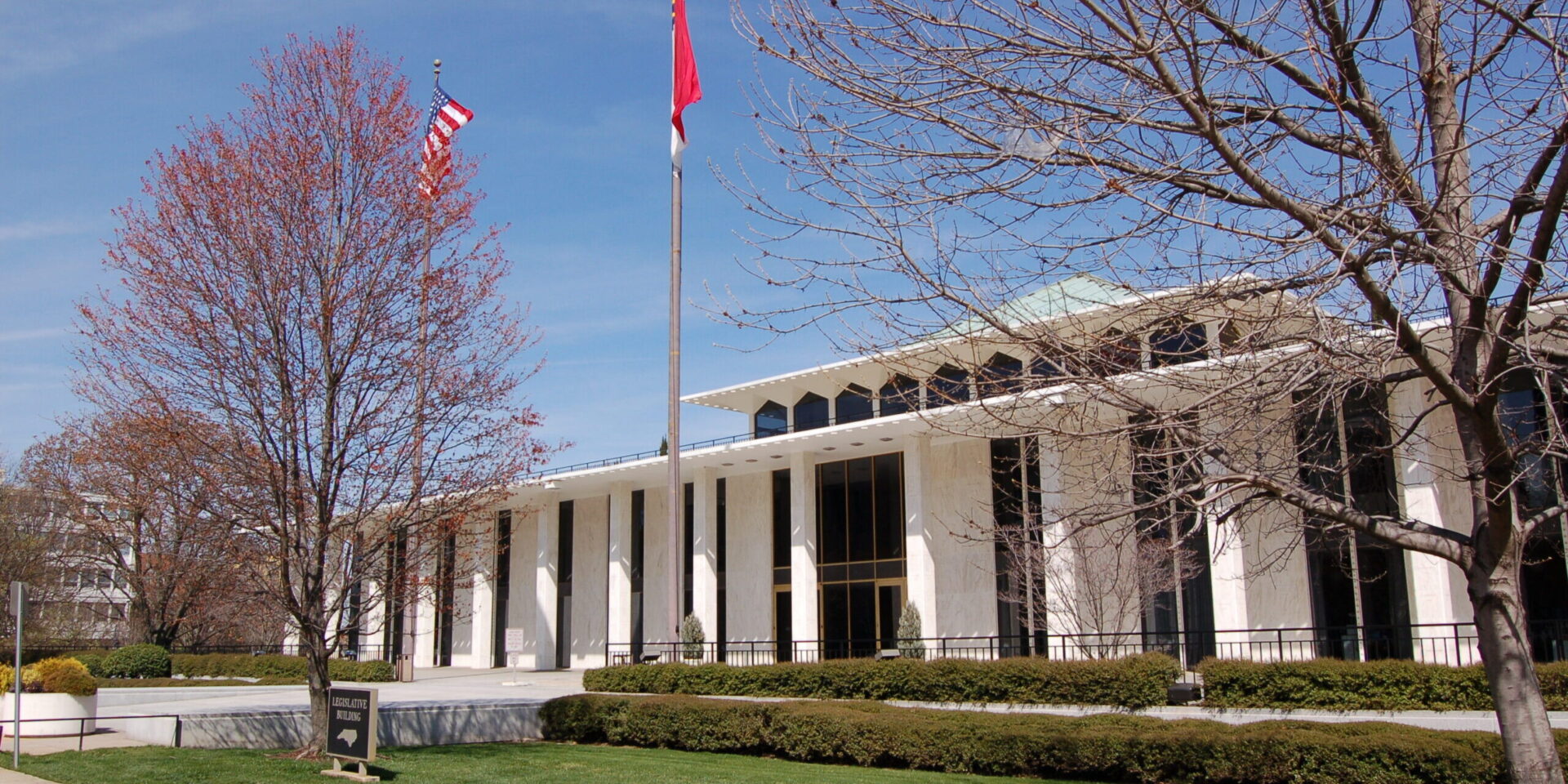
North Carolina voters approved all three proposed constitutional amendments Tuesday, locking in a lower income-tax ceiling, directing lawmakers to limit local property-tax growth and expanding the constitution’s photo ID requirement to every voting method.
With all precincts reporting, the photo ID amendment received about 59.6% support, the property-tax measure won roughly 60.4%, and the income-tax cap led with nearly 61.9%, according to unofficial results.
The income-tax amendment lowers the maximum rate permitted by the state constitution from 7% to 3.5% for personal and corporate income beginning with the 2027 tax year. It does not immediately cut taxes. North Carolina’s personal income-tax rate is 3.99% and was already scheduled to fall to 3.49% next year.
The property-tax amendment requires the General Assembly to enact laws limiting how much counties, cities and other local governments may increase their total property-tax levies. It does not establish a numerical cap, leaving lawmakers to determine the limit and any exceptions through future legislation.
The voter ID amendment changes constitutional language that previously applied only to people voting in person. It now requires all voters, including those casting absentee ballots by mail, to present photo identification before voting. State law already imposes an identification requirement on mail voters, subject to exceptions, but the amendment places the broader rule in the constitution.
The Republican-controlled General Assembly placed all three measures on the ballot. Supporters presented them as protections for taxpayers and election security. Opponents argued the tax amendments could restrict future state and local officials from responding to revenue needs, while the photo ID change was unnecessary because similar requirements already existed in state law.
Once certified, the photo ID and property-tax amendments take effect, while the income-tax limit applies beginning Jan. 1.
BREAKING NEWS
Bracco Picks Sanford For $230 Million U.S. Plant
High-paying life sciences jobs deepen Lee County’s manufacturing boom

Bracco Imaging will invest $230 million and create 200 jobs in Sanford, establishing the Italian company’s first United States manufacturing plant for injectable contrast media.
The facility will help Bracco serve growing American demand while shortening delivery times and transportation costs, according to the North Carolina Department of Commerce. Contrast media are pharmaceutical products used to improve visibility during diagnostic scans.
The project will add manufacturing, engineering, technical, quality, warehousing, administrative and support positions. The jobs are expected to pay an average of about $103,000 annually, roughly 72% above Lee County’s private-sector average, while generating more than $20.6 million in yearly payroll.
North Carolina approved a performance-based Job Development Investment Grant worth up to $2.86 million over 12 years. Payments will occur only after Bracco meets hiring and investment targets. State analysts estimate the project will add $1.78 billion to North Carolina’s economy and return $4.97 in state revenue for every public dollar spent.
The project previously operated under the code name “Project Sunshine.” Lee County approved incentives expected to total about $3.77 million, while Sanford considered a similar package of up to $3.2 million. The payments are tied to property taxes and company performance.
Bracco, founded in Milan in 1927, develops contrast agents, medical devices and diagnostic imaging products used in more than 100 countries. The company said the United States is its largest market and domestic production will strengthen its supply chain for hospitals and patients.
The announcement adds to Sanford’s expanding manufacturing and life sciences industry. STERIS announced a $600 million, 335-job health care manufacturing center in August, while Caterpillar recently committed $1 billion to a new Sanford factory.
Bracco’s decision gives Lee County another high-wage employer and strengthens Sanford’s emergence as a manufacturing hub beyond the Triangle’s traditional core.

UNC Sued Over Access To Course Reading Lists

Lumberton Tax Preparer Gets Five Years In $23.9 Million COVID Fraud Scheme

North Carolina Voters Approve All Three Constitutional Amendments

Bracco Picks Sanford For $230 Million U.S. Plant

Sealy, Foster Closures Cut 295 North Carolina Jobs

Libertarian Senate Candidate Arrested After Cary Standoff

System Failing Iryna Zarutska: Charlotte Light Rail Murder Suspect Dodges Trial On Mental Health Grounds As Family Waits For Justice

Meta Agrees To Pay North Carolina Up To $645 Million

Raleigh’s Comedy Scene Explodes as Three New Venues Open in the Triangle

Gov. Stein Demands Pay Raises While Doing Nothing To Break The Two-Year Legislative Stalemate He Helped Create

Secretary Mullin Visits Chimney Rock, Announces Millions In New Flood Relief For Hurricane Helene Victims

New Poll Shows NC Republican Base Will Walk Away From 2026 Senate Race If SAVE America Act Dies In The Senate
-
 BREAKING NEWS7 months ago
System Failing Iryna Zarutska: Charlotte Light Rail Murder Suspect Dodges Trial On Mental Health Grounds As Family Waits For Justice
-
 BREAKING NEWS3 months ago
Meta Agrees To Pay North Carolina Up To $645 Million
-
 LOCAL8 months ago
Raleigh’s Comedy Scene Explodes as Three New Venues Open in the Triangle
-
 BREAKING NEWS7 months ago
Gov. Stein Demands Pay Raises While Doing Nothing To Break The Two-Year Legislative Stalemate He Helped Create
-
 BREAKING NEWS7 months ago
Secretary Mullin Visits Chimney Rock, Announces Millions In New Flood Relief For Hurricane Helene Victims
-
 BREAKING NEWS7 months ago
New Poll Shows NC Republican Base Will Walk Away From 2026 Senate Race If SAVE America Act Dies In The Senate
-

 NATIONAL10 months ago
One of the Worst Flu Seasons in Years Is Hitting New Hampshire — And Hospitals Are Feeling It
-

 BREAKING NEWS8 months ago
NC Budget Bust: Lawmakers Flee Raleigh as State Remains Only in Nation Without Spending Plan