
News
North Carolina Ends Minority Contracting Requirements
Budget provision forces cities to rewrite public procurement rules

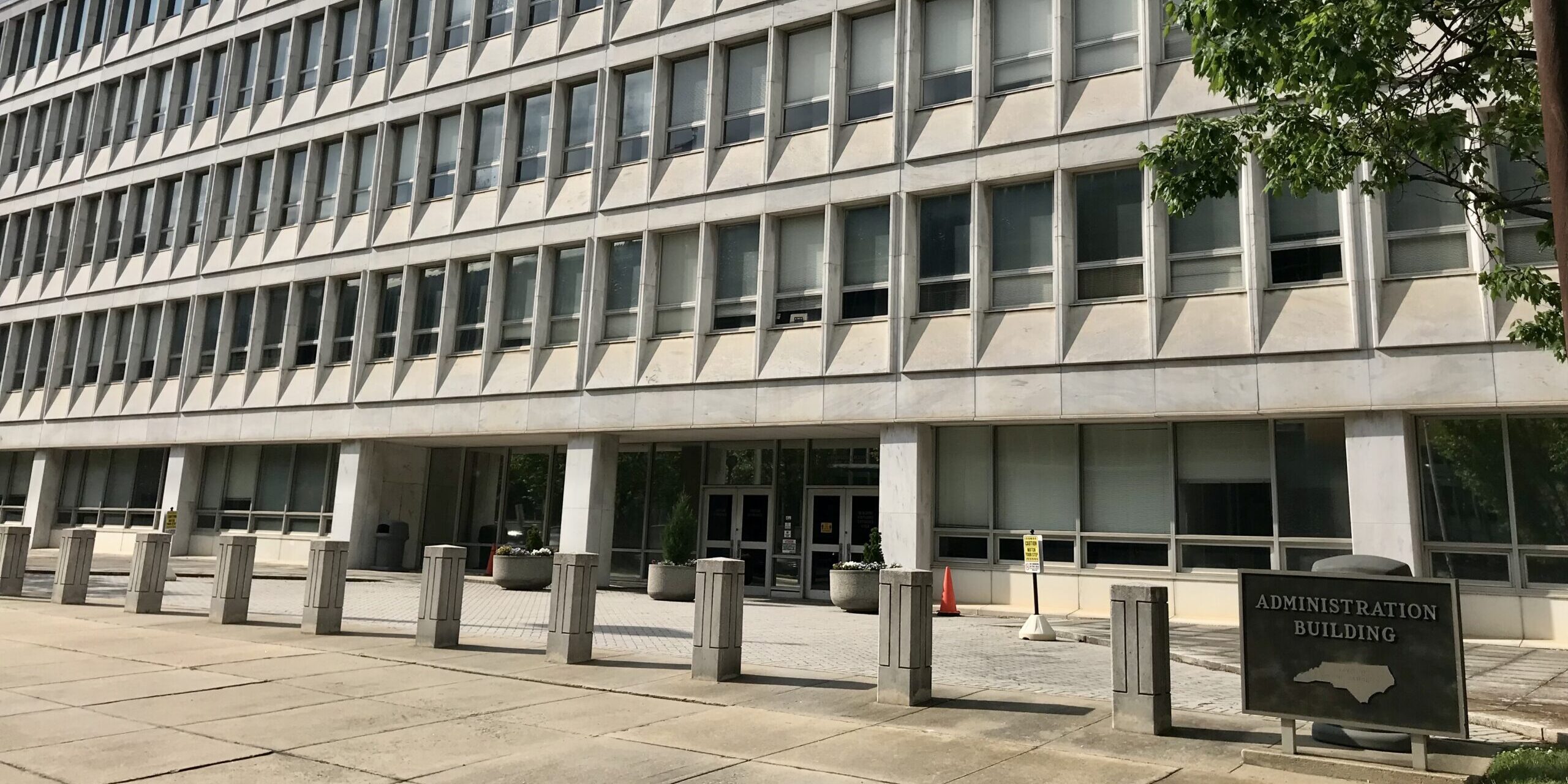
North Carolina’s new budget has ended requirements designed to expand minority- and women-owned businesses’ access to public contracts, forcing cities, counties and schools to rewrite procurement rules.
Section 22.5 of the 2026 Appropriations Act abolished the Office for Historically Underutilized Businesses and repealed statutes supporting participation goals, bidder good-faith efforts, statewide certification and reporting. The law, signed by Gov. Josh Stein July 7, repealed local acts authorizing minority- or women-owned business participation requirements, except when federal grants or loans require them.
For decades, local governments could set goals on public building projects and require contractors to document efforts to recruit eligible subcontractors. University of North Carolina School of Government guidance says that authority disappeared for procurements underway, meaning officials should remove minority participation goals, bidder lists and affidavits from pending solicitations and unsigned contracts.
Charlotte may feel the shift particularly sharply. Its Charlotte Business Inclusion program has reviewed procurements and set participation goals for minority-, women-, and small-business enterprises on a contract-by-contract basis. WFAE reported a nearly $7 million Freedom Drive drainage contract considered in June directed about $430,000 to qualifying subcontractors. Mecklenburg County, Charlotte-Mecklenburg Schools and governments statewide have similar programs.
Federally funded airport and transit work remains exempt and may continue following federal inclusion rules. Race- and gender-neutral small-business programs will also survive. The North Carolina Department of Administration says its Small Business Enterprise Program will move to the Division of Purchase & Contract.
Republican State Sen. Carl Ford said lawmakers viewed the office as redundant and unnecessary spending. Department of Administration Secretary Gabriel Esparza disagreed, calling its elimination “deeply disappointing,” and saying it had opened contracting opportunities for businesses not traditionally at the table.
As North Carolina’s cities, counties and school districts begin revising their procurement policies, it remains to be seen exactly how the repeal will be implemented and what the state’s contracting landscape will look like under the new race-neutral framework.











News
Wake County To Pull Mugshots From Public Website
Second-chance concerns collide with public-record access in Raleigh
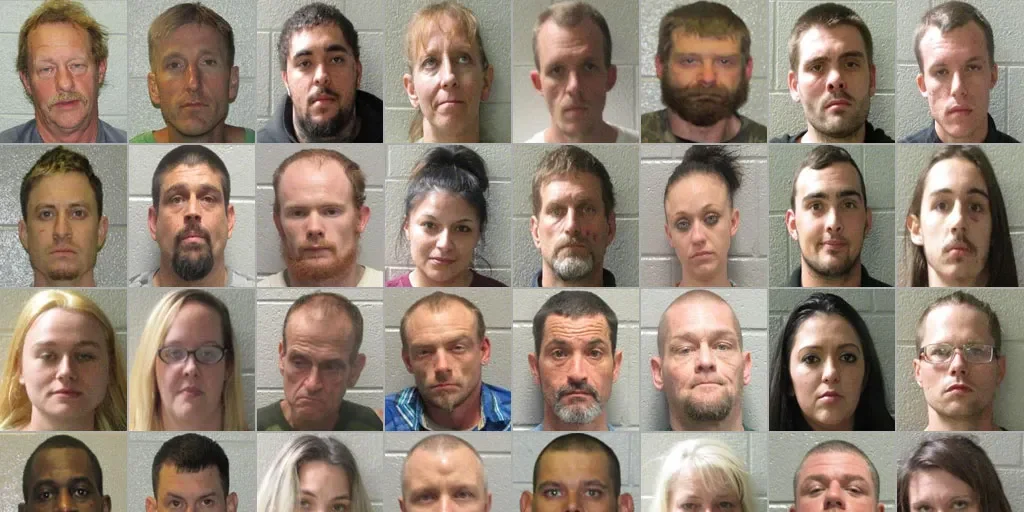
Wake County will stop publishing mugshots and daily arrest reports online next month, ending nearly two decades of remote access while opening a debate over second chances and government transparency.
The county’s Bureau of Forensic Services will take its online arrest database offline Aug. 17, Axios reported. Director Sam Pennica said the change is intended to prevent photographs and arrest information from remaining public after the underlying case has been expunged.
North Carolina’s Second Chance Act created automatic expunctions for qualifying cases dismissed or resolved with findings of not guilty or not responsible. State law directs eligible cases to be cleared 180 to 210 days after final disposition, but Pennica said his bureau is not consistently notified when that process occurs.
The scale is substantial. The automatic-expunction statute accounted for 93% of nearly 2 million expunctions issued between mid-2021 and mid-2025, according to North Carolina’s Administrative Office of the Courts data cited by Axios. The North Carolina Judicial Branch warns that an expunction does not automatically erase information held by private websites.
Wake County’s database includes arrests dating to April 27, 2007. Axios reported it was created after repeated requests from The Slammer, a tabloid built around booking photographs.
Once the website closes, members of the public and journalists may review updated daily arrest information in person at the Public Safety Center in downtown Raleigh.
Raleigh attorney Mike Tadych, who works with the North Carolina Press Association, criticized limiting access to in-person searches. He noted that an arrest does not establish guilt but remains a historical event reporters may need to verify.
Wake County’s decision puts two interests in conflict: preventing outdated accusations from shadowing people cleared by the courts and preserving convenient public oversight of law enforcement.
News
North Carolina Jails Struggle With Worsening Overcrowding
Floor beds and staffing shortages push county detention centers toward the breaking point

More than one-third of North Carolina’s jails have exceeded capacity at least once this year, forcing some people in custody onto portable floor beds as county officials warn that space and staffing are being stretched beyond safe limits.
At least 36 of the state’s 98 operating jails were over capacity during one or more months in 2026, while 19 exceeded their limits every month covered by a North Carolina Health News analysis of the latest statewide confinement data. Another 17 reached at least 90% of capacity.
Mecklenburg County’s uptown Charlotte jail held 2,146 people, 242 above its 1,904-person capacity. Housing pods built for 53 people have held as many as 84, and WFAE reported that crowding has strained access to showers, phones and medical care. Sheriff Garry McFadden plans to reopen the 721-bed Jail North in August.
Smaller counties face sharper pressure. Scotland County’s jail regularly holds about 180 people despite a capacity of 109 and averaged roughly 160% occupancy this year. Robeson County’s jail averaged 123% and has exceeded capacity every month since at least January 2024.
Officials blame slow court cases, gaps in mental health and substance use treatment, stricter pretrial release rules under Iryna’s Law and a state prison transfer backlog. As of June 23, 1,432 sentenced people remained in county jails because the North Carolina Department of Adult Correction lacked room or staff to accept them.
Supporters of Iryna’s Law say tougher release standards improve public safety by keeping violent and repeat defendants in custody. Some sheriffs warned the law would worsen crowding, although no formal statewide analysis has isolated its effect. Counties are considering jail expansions, but advocates say new beds cannot solve staffing shortages or the behavioral health problems feeding the system.
BREAKING NEWS
Republicans Hit Roy Cooper Over Winston-Salem ICE Arrest
GOP attack revives Cooper’s fight with lawmakers over immigration detainers
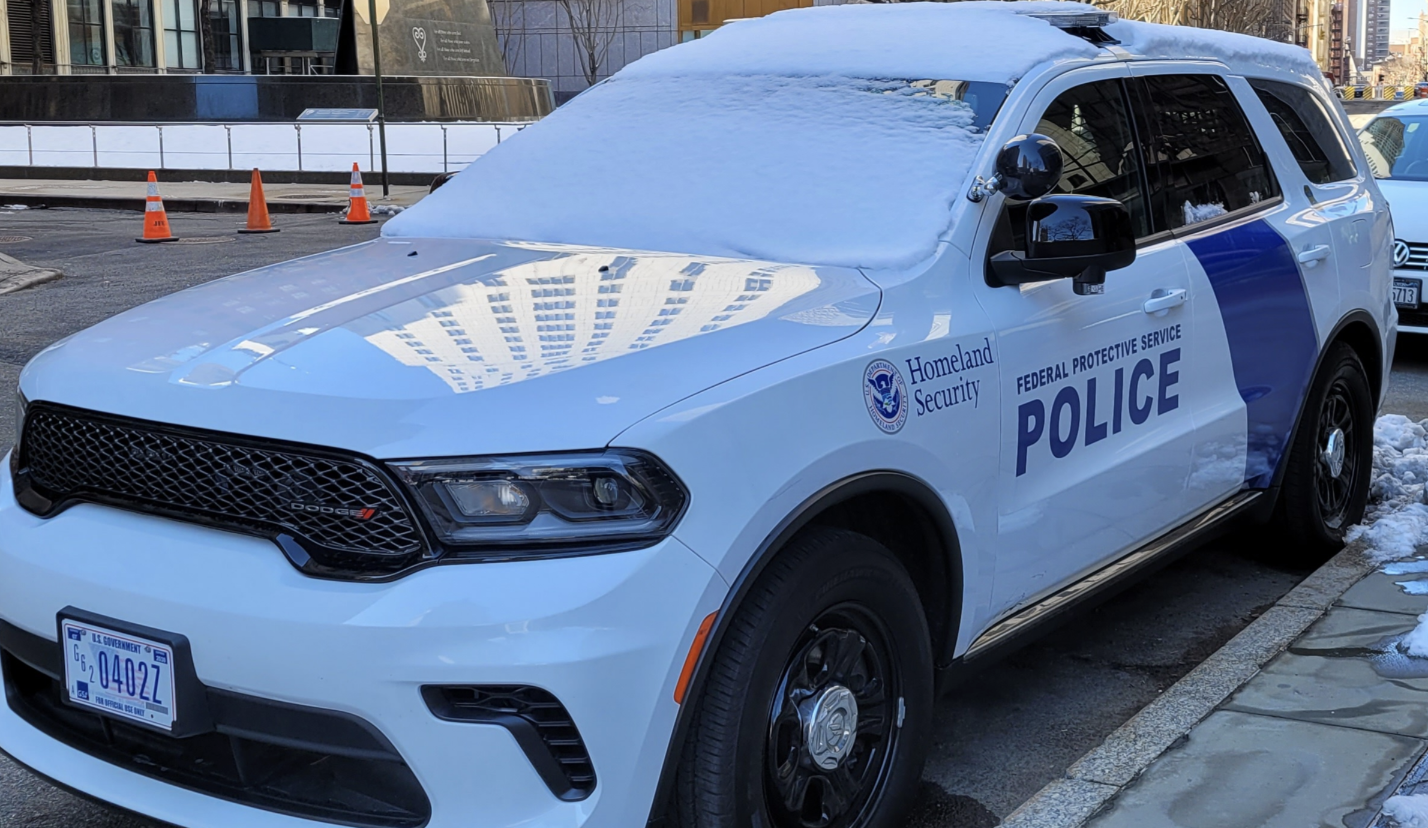
Republicans are renewing their immigration attack on former Gov. Roy Cooper, using the case of a Nicaraguan national arrested in Winston-Salem to argue that Cooper’s vetoes made the state less safe.
The National Republican Senatorial Committee (NRSC) said Humberto Narvaez Sandoval was arrested by U.S. Immigration and Customs Enforcement (ICE) after earlier arrests. Its July 22 release linked him to a Winston-Salem burglary case and court entries involving trespass, a concealed gun, firing a weapon inside city limits, impaired driving, resisting an officer, probation violations and reckless driving.
NRSC Press Secretary Nick Puglia said Cooper’s “soft-on-crime, sanctuary policies” allowed Sandoval to remain free. The committee pointed to Cooper’s 2019 veto of House Bill 370. Cooper called the measure unconstitutional and argued that it would force sheriffs to act as federal agents.
Cooper vetoed a similar measure in 2024, but Republican lawmakers overrode him and enacted House Bill 10. The law requires jail officials to check the immigration status of people charged with specified crimes and can keep someone subject to an immigration detainer and judicial order in custody for up to 48 hours.
The NRSC called North Carolina under Cooper a “sanctuary state,” but state law has prohibited cities from adopting policies that restrict federal immigration enforcement since 2015. The phrase is a political characterization, not an official state designation.
The attack lands in the Senate race between Cooper and Republican Michael Whatley for the seat being vacated by Sen. Thom Tillis. Immigration and public safety are becoming central Republican lines of attack in a contest that could help determine Senate control.

Wake County To Pull Mugshots From Public Website

North Carolina Ends Minority Contracting Requirements

North Carolina Jails Struggle With Worsening Overcrowding

Republicans Hit Roy Cooper Over Winston-Salem ICE Arrest

Cary Residents Blast Leaders Over Extravagant Spending

North Carolina Opens State Highways To License Plate Surveillance

System Failing Iryna Zarutska: Charlotte Light Rail Murder Suspect Dodges Trial On Mental Health Grounds As Family Waits For Justice

NC Budget Bust: Lawmakers Flee Raleigh as State Remains Only in Nation Without Spending Plan

New Poll Shows NC Republican Base Will Walk Away From 2026 Senate Race If SAVE America Act Dies In The Senate

Raleigh’s Comedy Scene Explodes as Three New Venues Open in the Triangle

Gov. Stein Demands Pay Raises While Doing Nothing To Break The Two-Year Legislative Stalemate He Helped Create

Secretary Mullin Visits Chimney Rock, Announces Millions In New Flood Relief For Hurricane Helene Victims
-
 BREAKING NEWS4 months ago
System Failing Iryna Zarutska: Charlotte Light Rail Murder Suspect Dodges Trial On Mental Health Grounds As Family Waits For Justice
-
 BREAKING NEWS4 months ago
NC Budget Bust: Lawmakers Flee Raleigh as State Remains Only in Nation Without Spending Plan
-
 BREAKING NEWS4 months ago
New Poll Shows NC Republican Base Will Walk Away From 2026 Senate Race If SAVE America Act Dies In The Senate
-
 LOCAL4 months ago
Raleigh’s Comedy Scene Explodes as Three New Venues Open in the Triangle
-
 BREAKING NEWS4 months ago
Gov. Stein Demands Pay Raises While Doing Nothing To Break The Two-Year Legislative Stalemate He Helped Create
-
 BREAKING NEWS4 months ago
Secretary Mullin Visits Chimney Rock, Announces Millions In New Flood Relief For Hurricane Helene Victims
-

 BREAKING NEWS4 months ago
Port of Wilmington Sets New Cargo Volume Record Amid East Coast Shipping Surge
-

 BREAKING NEWS4 months ago
NC Legislature Passes Historic Education Funding Bill Targeting Rural Schools