
News
North Carolina Jails Struggle With Worsening Overcrowding
Floor beds and staffing shortages push county detention centers toward the breaking point

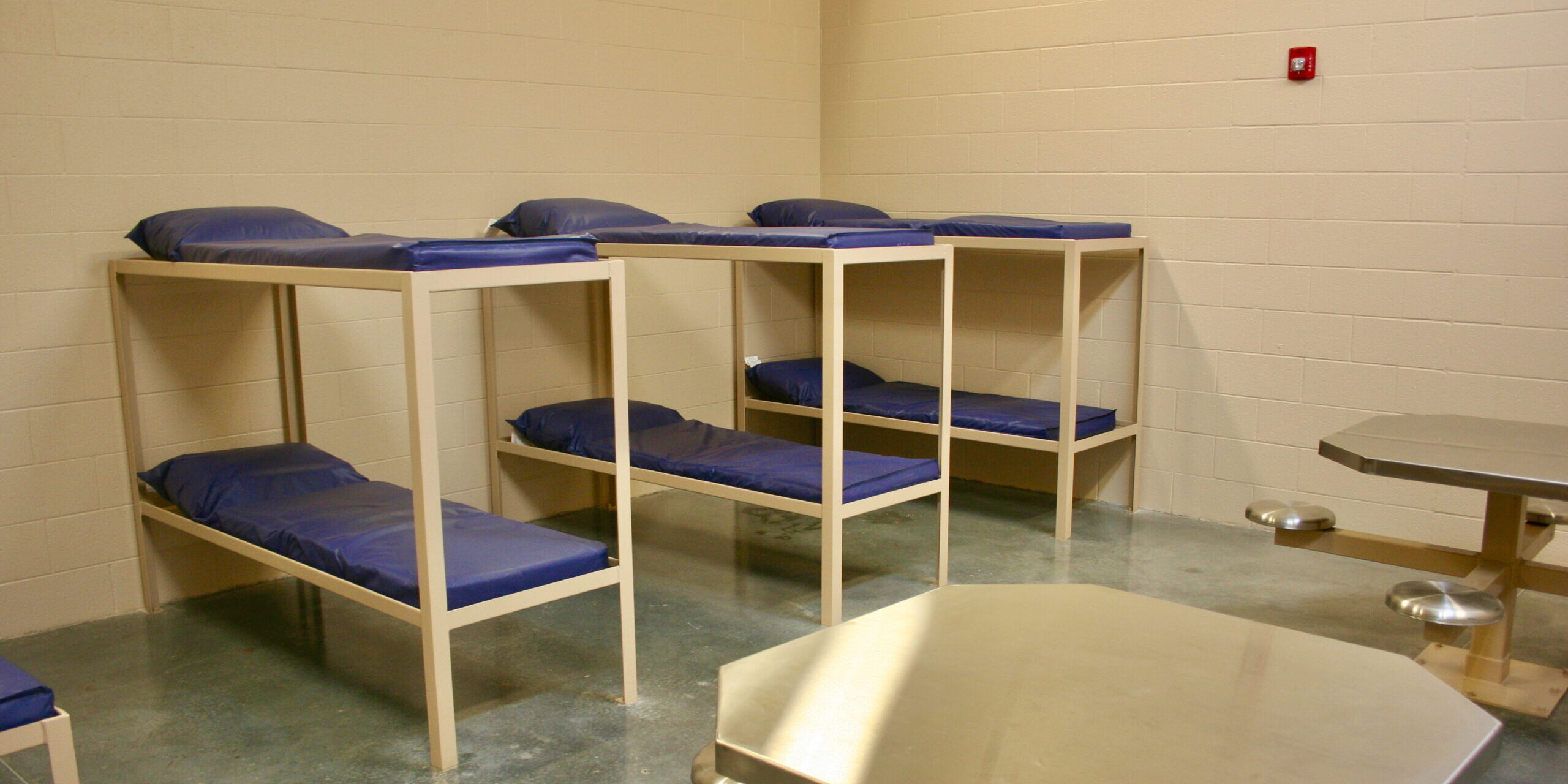
More than one-third of North Carolina’s jails have exceeded capacity at least once this year, forcing some people in custody onto portable floor beds as county officials warn that space and staffing are being stretched beyond safe limits.
At least 36 of the state’s 98 operating jails were over capacity during one or more months in 2026, while 19 exceeded their limits every month covered by a North Carolina Health News analysis of the latest statewide confinement data. Another 17 reached at least 90% of capacity.
Mecklenburg County’s uptown Charlotte jail held 2,146 people, 242 above its 1,904-person capacity. Housing pods built for 53 people have held as many as 84, and WFAE reported that crowding has strained access to showers, phones and medical care. Sheriff Garry McFadden plans to reopen the 721-bed Jail North in August.
Smaller counties face sharper pressure. Scotland County’s jail regularly holds about 180 people despite a capacity of 109 and averaged roughly 160% occupancy this year. Robeson County’s jail averaged 123% and has exceeded capacity every month since at least January 2024.
Officials blame slow court cases, gaps in mental health and substance use treatment, stricter pretrial release rules under Iryna’s Law and a state prison transfer backlog. As of June 23, 1,432 sentenced people remained in county jails because the North Carolina Department of Adult Correction lacked room or staff to accept them.
Supporters of Iryna’s Law say tougher release standards improve public safety by keeping violent and repeat defendants in custody. Some sheriffs warned the law would worsen crowding, although no formal statewide analysis has isolated its effect. Counties are considering jail expansions, but advocates say new beds cannot solve staffing shortages or the behavioral health problems feeding the system.










BREAKING NEWS
Sealy, Foster Closures Cut 295 North Carolina Jobs
A mattress factory and food distributor are shutting down after shifting demand and a major customer loss

Two companies are closing North Carolina operations and eliminating 295 jobs, adding to a string of recent layoffs across the Piedmont Triad.
Sealy Mattress Manufacturing Company will permanently close its Trinity manufacturing site by Dec. 31, affecting 114 employees, according to the North Carolina Department of Commerce’s 2026 WARN list. The plant has operated in Randolph County since 1998 and produces Sealy and Stearns & Foster mattresses.
Parent company Tempur Sealy said the decision reflects changing customer demand and business needs. Research, product development and corporate office roles at the site are not affected. Randolph County Economic Development President Kevin Franklin said local agencies, NCWorks, and Randolph Community College will help displaced workers pursue training and new employment.
Food distributor Foster is closing its North Carolina facilities after suddenly losing its largest customer. The shutdown will eliminate 169 jobs in Winston-Salem and 12 in Greenville.
Foster said its principal account, which represented about 70% of the company’s business, notified the distributor Oct. 14 that it would terminate its contract Nov. 11. The company lost another customer responsible for roughly 10% of its business. Thirty-six employees were dismissed Oct. 25, another 121 are scheduled to leave Nov. 8, and the remaining workers will depart in stages through March 5.
The company cited an “unforeseeable business circumstance” for providing some workers only four days’ notice. Federal law generally requires qualifying employers to provide 60 days’ notice before a mass layoff or plant closure, though exceptions exist for sudden circumstances beyond an employer’s control.
The new losses follow Pella Corporation’s announcement that it will close its Reidsville window-and-door plant and eliminate 133 jobs by January. Together, the decisions deepen concerns about manufacturing and distribution employment in a region long built around those industries.
BREAKING NEWS
Libertarian Senate Candidate Arrested After Cary Standoff
Hours-long crisis ends peacefully eight days before Election Day
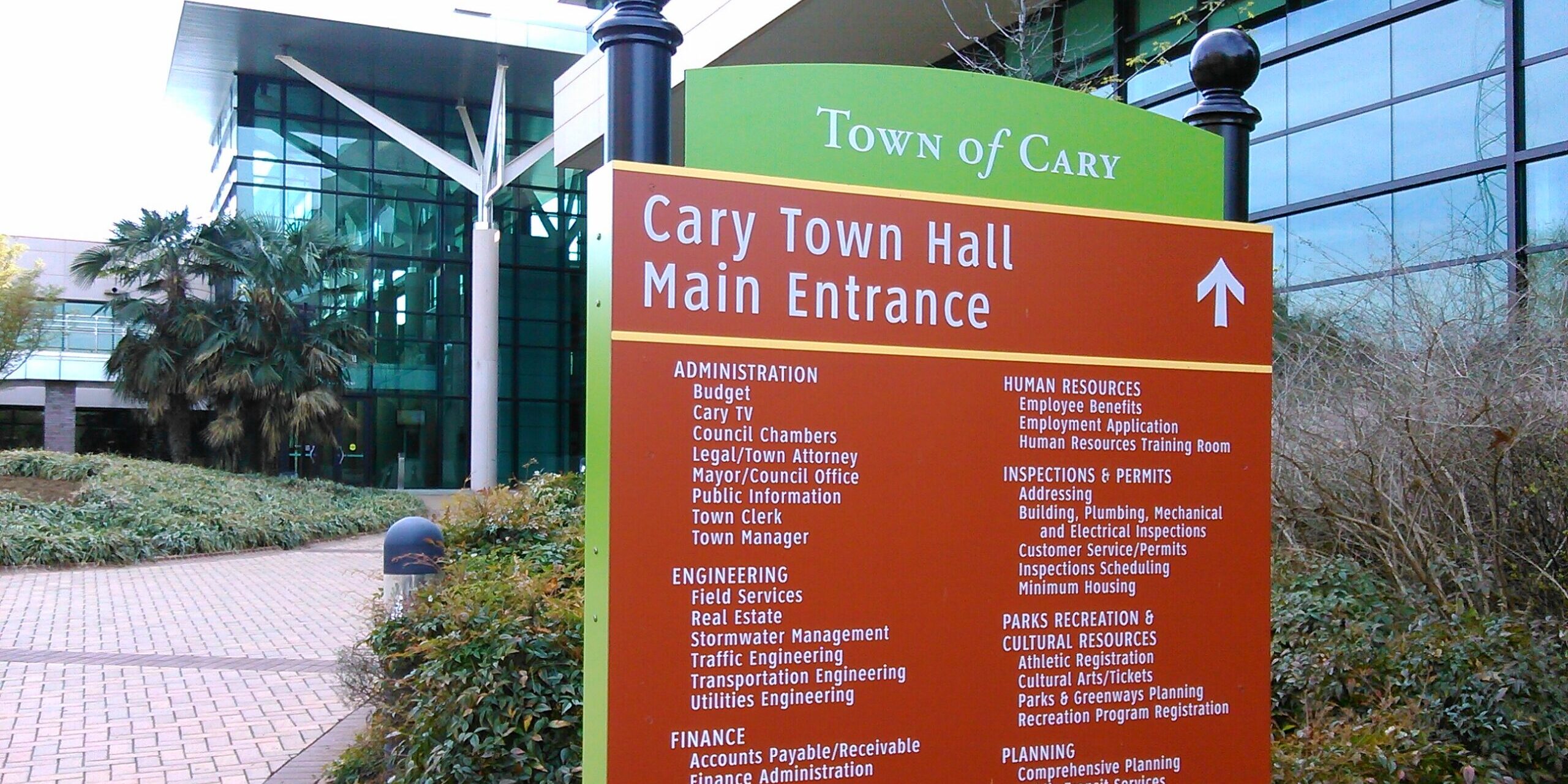
A Libertarian state Senate candidate was arrested Monday after an hours-long standoff with Cary police that began as a welfare check prompted by alarming social media posts.
Jonathan D. Miller, the Libertarian nominee in North Carolina Senate District 16, was taken into custody around 3 p.m. near Cary’s Lochmere neighborhood. Police said no shots were fired and nobody was injured.
Officers went to Miller’s home on Glen Echo Lane around 8:26 a.m. after monitoring posts in which he described suicidal thoughts and appeared to reference an armed confrontation. Cary Police Chief Terry Sult said an officer encountered Miller carrying a firearm, ordered him not to touch it and watched him run into nearby woods.
Miller continued posting during the search and called WRAL several times. He told the station he had been depressed the previous night and ran because he feared being hospitalized. Sult said police monitored the calls with WRAL’s permission and that the conversations gave officers useful insight during negotiations.
Police charged Miller with communicating threats, resisting officers and going armed to the terror of the people. He was being held at the Wake County Detention Center and was scheduled to appear in court Tuesday afternoon. The charges are allegations, and Miller is presumed innocent unless proven guilty.
The response temporarily closed nearby roads and placed Resurrection Lutheran School under a code yellow lockdown. Cary police later announced that the crisis had ended peacefully and normal traffic could resume.
Miller is challenging Democratic Sen. Gale Adcock and Republican Philip Hensley in the Nov. 3 election. The Libertarian Party of North Carolina thanked police for resolving the incident without violence but declined to address Miller’s campaign status.
Anyone experiencing a mental health crisis or suicidal thoughts can call or text 988 for free, confidential assistance.
BREAKING NEWS
Vance Touts $858 Million Helene Road Allocation At GOP Rally
Federal records clarify the difference between Vance’s figure and North Carolina’s $873 million total

Vice President JD Vance used a Hendersonville rally to highlight $858 million in federal highway aid for Hurricane Helene repairs, tying the recovery award to Republicans’ closing pitch in western North Carolina.
The figure Vance cited represents the North Carolina Department of Transportation’s share. A separate Federal Highway Administration breakdown assigns another $13.25 million to U.S. Forest Service roads and about $2.21 million to Bureau of Indian Affairs transportation sites, bringing the state’s Helene-related total to roughly $873.5 million.
Vance said the money would support eight major damaged corridors, including Interstate 40 through the Pigeon River Gorge. Helene destroyed or severely damaged about five miles of the interstate near Tennessee. NCDOT estimates permanent reconstruction will cost roughly $2.8 billion, with four lanes expected to reopen in late 2029, though unstable ground could change the timetable.
The money comes through the Federal Highway Administration’s Emergency Relief Program, which reimburses eligible road, bridge and emergency-access costs rather than providing direct aid to homeowners. Federal officials say Helene created more than 9,000 transportation damage sites and over 1,400 road closures statewide. The allocation brings the federal highway commitment for Helene repairs in North Carolina to about $2.9 billion.
Vance made the announcement while campaigning for Republican Senate nominee Michael Whatley and House candidates Jennifer Balkcom and Laurie Buckhout. He credited President Donald Trump and Transportation Secretary Sean Duffy. Whatley attacked former Gov. Roy Cooper’s recovery record, while Cooper’s campaign said his administration activated emergency resources and secured major state and federal assistance.
Nearly 99% of storm-affected state roads have reopened, but NCDOT estimates the full transportation recovery will cost about $5 billion. The new allocation is a reimbursement milestone, not the end of a rebuilding effort expected to continue for years.

Sealy, Foster Closures Cut 295 North Carolina Jobs

Libertarian Senate Candidate Arrested After Cary Standoff

Vance Touts $858 Million Helene Road Allocation At GOP Rally

Five Killed In Four Charlotte Shootings Over Weekend

UNC Settles Federal Antisemitism And Race Probes

New Nor’easter Washes Over Rebuilt N.C. 12

System Failing Iryna Zarutska: Charlotte Light Rail Murder Suspect Dodges Trial On Mental Health Grounds As Family Waits For Justice

Meta Agrees To Pay North Carolina Up To $645 Million

Raleigh’s Comedy Scene Explodes as Three New Venues Open in the Triangle

Gov. Stein Demands Pay Raises While Doing Nothing To Break The Two-Year Legislative Stalemate He Helped Create

Secretary Mullin Visits Chimney Rock, Announces Millions In New Flood Relief For Hurricane Helene Victims

New Poll Shows NC Republican Base Will Walk Away From 2026 Senate Race If SAVE America Act Dies In The Senate
-
 BREAKING NEWS7 months ago
System Failing Iryna Zarutska: Charlotte Light Rail Murder Suspect Dodges Trial On Mental Health Grounds As Family Waits For Justice
-
 BREAKING NEWS2 months ago
Meta Agrees To Pay North Carolina Up To $645 Million
-
 LOCAL8 months ago
Raleigh’s Comedy Scene Explodes as Three New Venues Open in the Triangle
-
 BREAKING NEWS7 months ago
Gov. Stein Demands Pay Raises While Doing Nothing To Break The Two-Year Legislative Stalemate He Helped Create
-
 BREAKING NEWS7 months ago
Secretary Mullin Visits Chimney Rock, Announces Millions In New Flood Relief For Hurricane Helene Victims
-
 BREAKING NEWS7 months ago
New Poll Shows NC Republican Base Will Walk Away From 2026 Senate Race If SAVE America Act Dies In The Senate
-

 BREAKING NEWS7 months ago
NC Budget Bust: Lawmakers Flee Raleigh as State Remains Only in Nation Without Spending Plan
-

 NATIONAL10 months ago
One of the Worst Flu Seasons in Years Is Hitting New Hampshire — And Hospitals Are Feeling It