
STATEWIDE
New England Pond Hockey Classic Returns to Lake Winnipesaukee, Drawing Teams From Across the Region
Hundreds of teams from across New England gathered on frozen Lake Winnipesaukee for the New England Pond Hockey Classic, a beloved winter tournament that blends nostalgia, competition, and Granite State scenery.


MEREDITH, N.H. — Hockey in New Hampshire has never looked quite like this. Hundreds of teams from across New England converged on the frozen surface of Lake Winnipesaukee last weekend for the New England Pond Hockey Classic — a tournament that strips the sport down to its essentials and gives it back to the players who love it most.
Running January 30 through February 1, the Classic drew competitors of all ages and skill levels to the ice of Winnipesaukee, where games unfolded without boards, without a Zamboni, and without a roof. Just ice, open sky, and the sharp crack of a puck traveling across the frozen expanse of one of New England’s most iconic lakes.
The Purest Form of the Game
Pond hockey occupies a special place in the imagination of New England players. Before indoor rinks became the standard, frozen ponds and rivers were where the game lived. The rules were informal, the rinks were improvised, and the joy was uncomplicated. The New England Pond Hockey Classic recaptures all of that — while adding the structure of a real competitive tournament.
Teams register by division, compete across multiple games throughout the weekend, and advance through brackets toward a championship. But the atmosphere is never purely competitive. Players linger between games to watch other matchups unfold. Families set up on the shoreline with thermoses of hot cocoa. Kids race across the ice in borrowed skates. The whole scene has the feel of a winter festival that just happens to have a scoreboard.
And then there is the setting itself. Lake Winnipesaukee in winter is genuinely breathtaking — a vast expanse of white and grey surrounded by the hills of the Lakes Region, quiet in a way that a packed indoor arena never can be. For many participants, the scenery is part of the reason they come back year after year.
A Weekend That Belongs to the Lakes Region
The tournament is one of the most economically significant winter weekends for the Meredith area. Local inns, restaurants, and shops benefit from an influx of visitors who arrive Thursday or Friday and stay through Sunday. For a region that relies heavily on summer tourism, February events like the Pond Hockey Classic are a meaningful source of off-season activity.
The Classic also arrives in the company of other beloved Lakes Region winter traditions. One week after the hockey tournament wrapped up, the Great Meredith Rotary Ice Fishing Derby took over Lake Winnipesaukee on February 7 and 8 — cementing the region’s identity as the heart of New Hampshire’s winter community calendar.
Come for the Hockey, Stay for the Lake
Whether you’re a player, a fan, or simply someone who wants to spend a winter weekend somewhere genuinely beautiful, the New England Pond Hockey Classic is worth the drive. Viewing all games is open and free to spectators. The ice is real. The competition is spirited. And the backdrop — frozen Winnipesaukee stretching toward the hills — is the kind of thing that reminds you why winter in New Hampshire is worth embracing.
Registration for the 2027 Classic typically opens in the fall. Visit the event’s official website for details as the season approaches.
BREAKING NEWS
Bracco Picks Sanford For $230 Million U.S. Plant
High-paying life sciences jobs deepen Lee County’s manufacturing boom

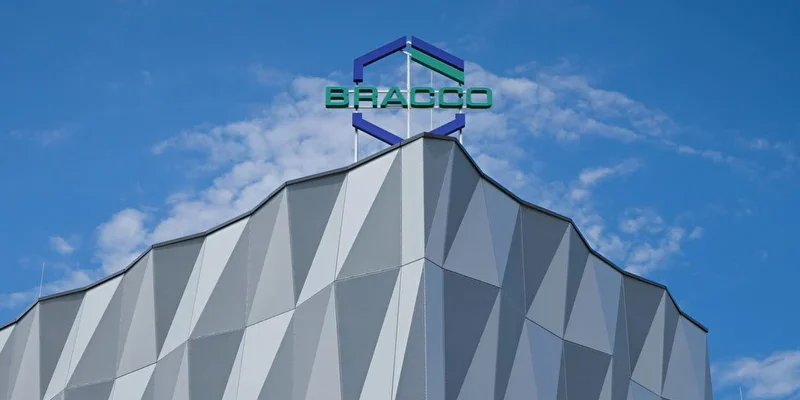
Bracco Imaging will invest $230 million and create 200 jobs in Sanford, establishing the Italian company’s first United States manufacturing plant for injectable contrast media.
The facility will help Bracco serve growing American demand while shortening delivery times and transportation costs, according to the North Carolina Department of Commerce. Contrast media are pharmaceutical products used to improve visibility during diagnostic scans.
The project will add manufacturing, engineering, technical, quality, warehousing, administrative and support positions. The jobs are expected to pay an average of about $103,000 annually, roughly 72% above Lee County’s private-sector average, while generating more than $20.6 million in yearly payroll.
North Carolina approved a performance-based Job Development Investment Grant worth up to $2.86 million over 12 years. Payments will occur only after Bracco meets hiring and investment targets. State analysts estimate the project will add $1.78 billion to North Carolina’s economy and return $4.97 in state revenue for every public dollar spent.
The project previously operated under the code name “Project Sunshine.” Lee County approved incentives expected to total about $3.77 million, while Sanford considered a similar package of up to $3.2 million. The payments are tied to property taxes and company performance.
Bracco, founded in Milan in 1927, develops contrast agents, medical devices and diagnostic imaging products used in more than 100 countries. The company said the United States is its largest market and domestic production will strengthen its supply chain for hospitals and patients.
The announcement adds to Sanford’s expanding manufacturing and life sciences industry. STERIS announced a $600 million, 335-job health care manufacturing center in August, while Caterpillar recently committed $1 billion to a new Sanford factory.
Bracco’s decision gives Lee County another high-wage employer and strengthens Sanford’s emergence as a manufacturing hub beyond the Triangle’s traditional core.
BREAKING NEWS
Libertarian Senate Candidate Arrested After Cary Standoff
Hours-long crisis ends peacefully eight days before Election Day
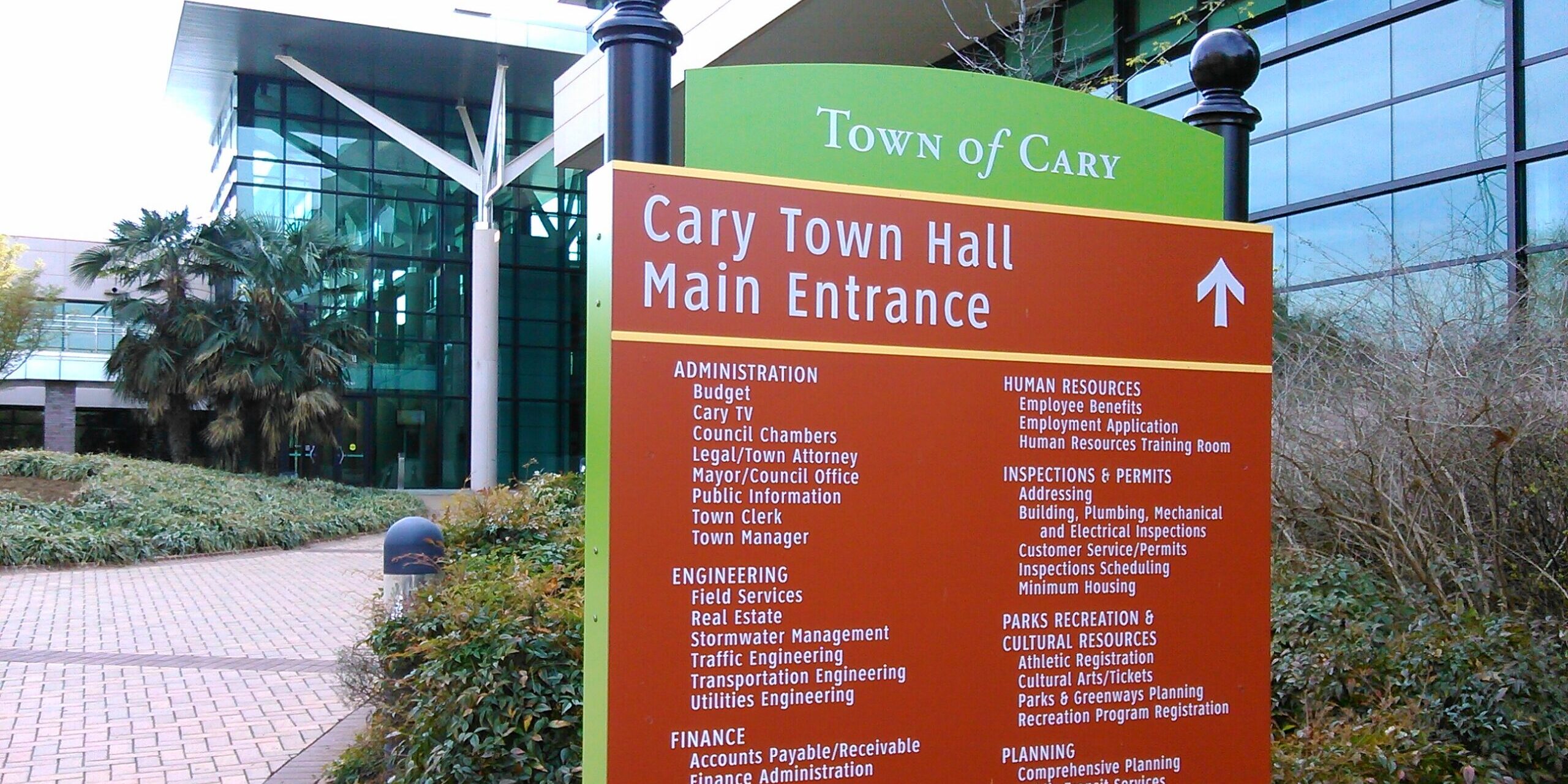
A Libertarian state Senate candidate was arrested Monday after an hours-long standoff with Cary police that began as a welfare check prompted by alarming social media posts.
Jonathan D. Miller, the Libertarian nominee in North Carolina Senate District 16, was taken into custody around 3 p.m. near Cary’s Lochmere neighborhood. Police said no shots were fired and nobody was injured.
Officers went to Miller’s home on Glen Echo Lane around 8:26 a.m. after monitoring posts in which he described suicidal thoughts and appeared to reference an armed confrontation. Cary Police Chief Terry Sult said an officer encountered Miller carrying a firearm, ordered him not to touch it and watched him run into nearby woods.
Miller continued posting during the search and called WRAL several times. He told the station he had been depressed the previous night and ran because he feared being hospitalized. Sult said police monitored the calls with WRAL’s permission and that the conversations gave officers useful insight during negotiations.
Police charged Miller with communicating threats, resisting officers and going armed to the terror of the people. He was being held at the Wake County Detention Center and was scheduled to appear in court Tuesday afternoon. The charges are allegations, and Miller is presumed innocent unless proven guilty.
The response temporarily closed nearby roads and placed Resurrection Lutheran School under a code yellow lockdown. Cary police later announced that the crisis had ended peacefully and normal traffic could resume.
Miller is challenging Democratic Sen. Gale Adcock and Republican Philip Hensley in the Nov. 3 election. The Libertarian Party of North Carolina thanked police for resolving the incident without violence but declined to address Miller’s campaign status.
Anyone experiencing a mental health crisis or suicidal thoughts can call or text 988 for free, confidential assistance.
BREAKING NEWS
Vance Touts $858 Million Helene Road Allocation At GOP Rally
Federal records clarify the difference between Vance’s figure and North Carolina’s $873 million total
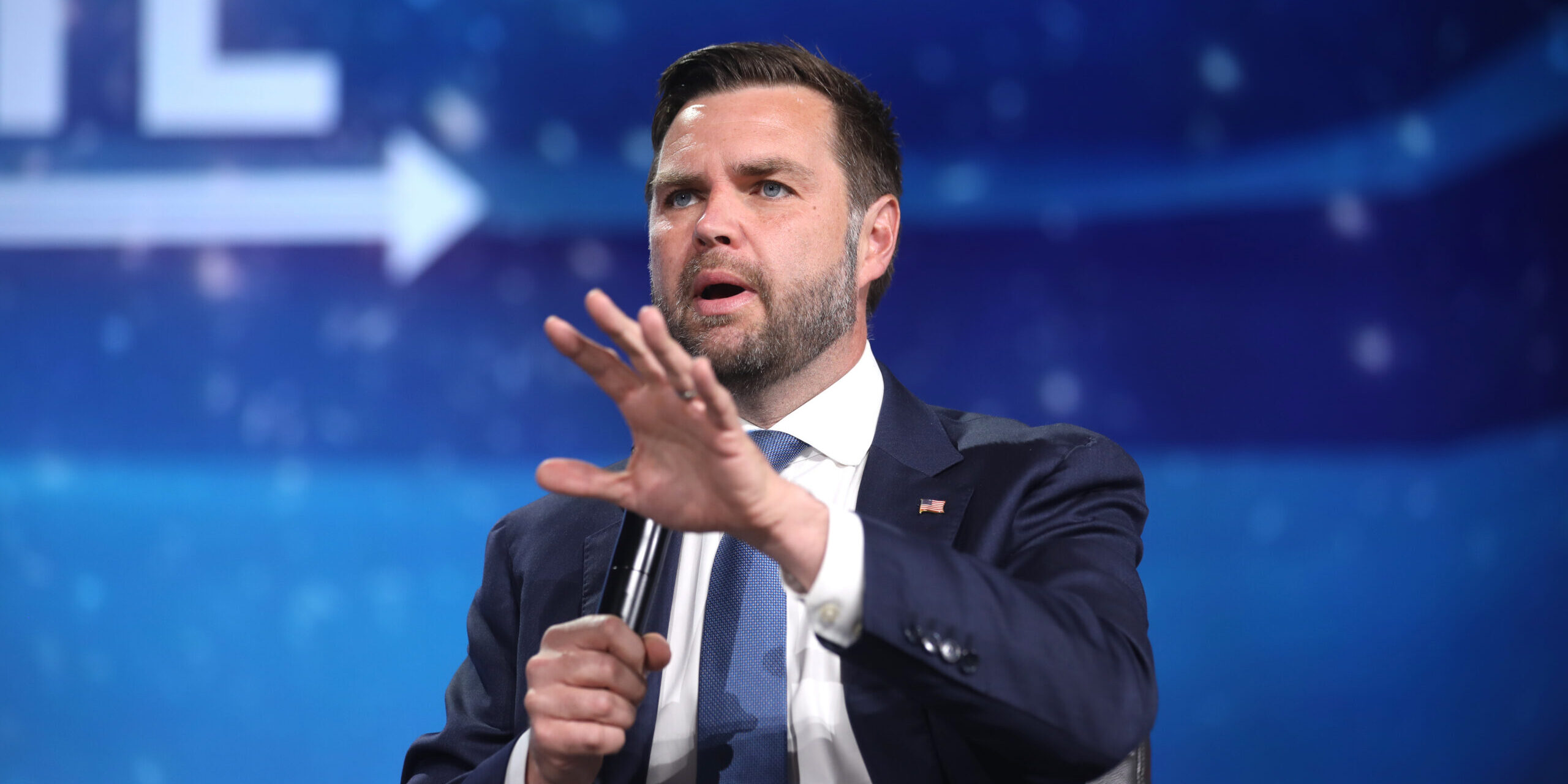
Vice President JD Vance used a Hendersonville rally to highlight $858 million in federal highway aid for Hurricane Helene repairs, tying the recovery award to Republicans’ closing pitch in western North Carolina.
The figure Vance cited represents the North Carolina Department of Transportation’s share. A separate Federal Highway Administration breakdown assigns another $13.25 million to U.S. Forest Service roads and about $2.21 million to Bureau of Indian Affairs transportation sites, bringing the state’s Helene-related total to roughly $873.5 million.
Vance said the money would support eight major damaged corridors, including Interstate 40 through the Pigeon River Gorge. Helene destroyed or severely damaged about five miles of the interstate near Tennessee. NCDOT estimates permanent reconstruction will cost roughly $2.8 billion, with four lanes expected to reopen in late 2029, though unstable ground could change the timetable.
The money comes through the Federal Highway Administration’s Emergency Relief Program, which reimburses eligible road, bridge and emergency-access costs rather than providing direct aid to homeowners. Federal officials say Helene created more than 9,000 transportation damage sites and over 1,400 road closures statewide. The allocation brings the federal highway commitment for Helene repairs in North Carolina to about $2.9 billion.
Vance made the announcement while campaigning for Republican Senate nominee Michael Whatley and House candidates Jennifer Balkcom and Laurie Buckhout. He credited President Donald Trump and Transportation Secretary Sean Duffy. Whatley attacked former Gov. Roy Cooper’s recovery record, while Cooper’s campaign said his administration activated emergency resources and secured major state and federal assistance.
Nearly 99% of storm-affected state roads have reopened, but NCDOT estimates the full transportation recovery will cost about $5 billion. The new allocation is a reimbursement milestone, not the end of a rebuilding effort expected to continue for years.

Bracco Picks Sanford For $230 Million U.S. Plant

Sealy, Foster Closures Cut 295 North Carolina Jobs

Libertarian Senate Candidate Arrested After Cary Standoff

Vance Touts $858 Million Helene Road Allocation At GOP Rally

Five Killed In Four Charlotte Shootings Over Weekend

UNC Settles Federal Antisemitism And Race Probes

System Failing Iryna Zarutska: Charlotte Light Rail Murder Suspect Dodges Trial On Mental Health Grounds As Family Waits For Justice

Meta Agrees To Pay North Carolina Up To $645 Million

Raleigh’s Comedy Scene Explodes as Three New Venues Open in the Triangle

Gov. Stein Demands Pay Raises While Doing Nothing To Break The Two-Year Legislative Stalemate He Helped Create

Secretary Mullin Visits Chimney Rock, Announces Millions In New Flood Relief For Hurricane Helene Victims

New Poll Shows NC Republican Base Will Walk Away From 2026 Senate Race If SAVE America Act Dies In The Senate
-
 BREAKING NEWS7 months ago
System Failing Iryna Zarutska: Charlotte Light Rail Murder Suspect Dodges Trial On Mental Health Grounds As Family Waits For Justice
-
 BREAKING NEWS2 months ago
Meta Agrees To Pay North Carolina Up To $645 Million
-
 LOCAL8 months ago
Raleigh’s Comedy Scene Explodes as Three New Venues Open in the Triangle
-
 BREAKING NEWS7 months ago
Gov. Stein Demands Pay Raises While Doing Nothing To Break The Two-Year Legislative Stalemate He Helped Create
-
 BREAKING NEWS7 months ago
Secretary Mullin Visits Chimney Rock, Announces Millions In New Flood Relief For Hurricane Helene Victims
-
 BREAKING NEWS7 months ago
New Poll Shows NC Republican Base Will Walk Away From 2026 Senate Race If SAVE America Act Dies In The Senate
-
 BREAKING NEWS7 months ago
NC Budget Bust: Lawmakers Flee Raleigh as State Remains Only in Nation Without Spending Plan
-

 NATIONAL10 months ago
One of the Worst Flu Seasons in Years Is Hitting New Hampshire — And Hospitals Are Feeling It