BREAKING NEWS
NC Election Board Weighs Photo ID Rule Changes
County boards could decide disputed voter ID affidavits by majority vote

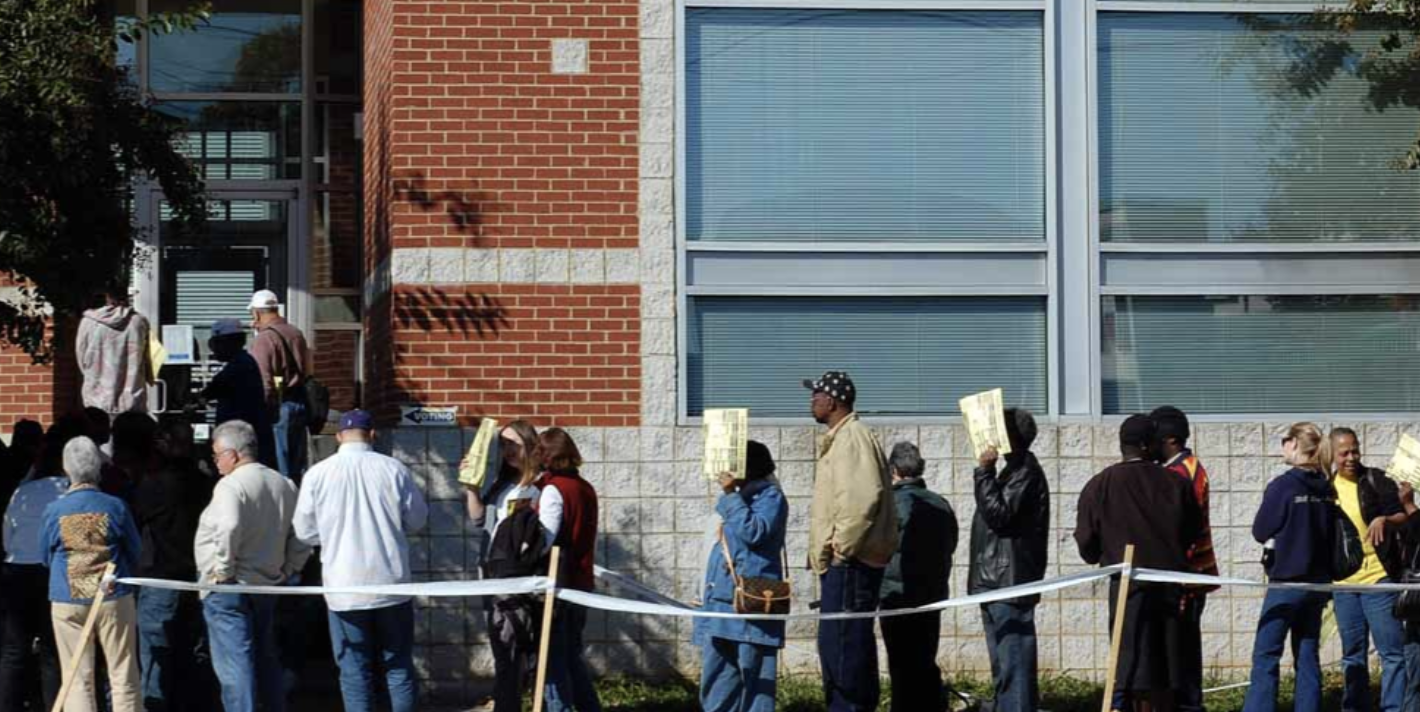
North Carolina election officials are weighing changes to two photo ID rules that could reshape how county boards decide whether voters without identification can have their ballots counted.
The North Carolina State Board of Elections (NCSBE) held a June 9 public hearing on proposed amendments to in-person and absentee-by-mail photo ID rules. Under the proposal, county boards could decide a voter’s ID exception affidavit by majority vote, Carolina Journal reported.
One rule affects voters who cast a provisional ballot in person without acceptable photo ID. The other covers absentee voters who return an ID exception form instead of a copy of acceptable identification. The proposed text updates deadlines to match state law and lists Sept. 1 as the proposed effective date.
NCSBE says voters are asked to show photo ID, but all voters may cast a ballot with or without ID. Voters without ID can complete an exception form for reasonable impediment, religious objection or natural disaster.
Supporters say the board is aligning its rules with the law. Andy Jackson, director of the John Locke Foundation’s Civitas Center for Public Integrity, told the board the General Assembly did not require unanimity when county boards decide whether an affidavit is false.
Opponents warn majority voting could make it easier for partisan county boards to reject ballots. Kate Fellman, executive director of You Can Vote, said the unanimity rule helps ensure equal treatment of voters statewide, Carolina Journal reported.
The fight comes after the North Carolina Supreme Court reinstated the state’s voter ID law in 2023. The Heritage Foundation argued the ruling corrected an earlier decision and restored one of the nation’s “least restrictive voter identification laws.”
Public comment remains open through July 14. After that, NCSBE can revise and adopt the rules before sending them to the Rules Review Commission.
BREAKING NEWS
Roy Cooper’s Solar Ties Resurface In Senate Race
Questions over Duke Energy, Strata Solar and a family-linked land lease follow Cooper into his Senate campaign
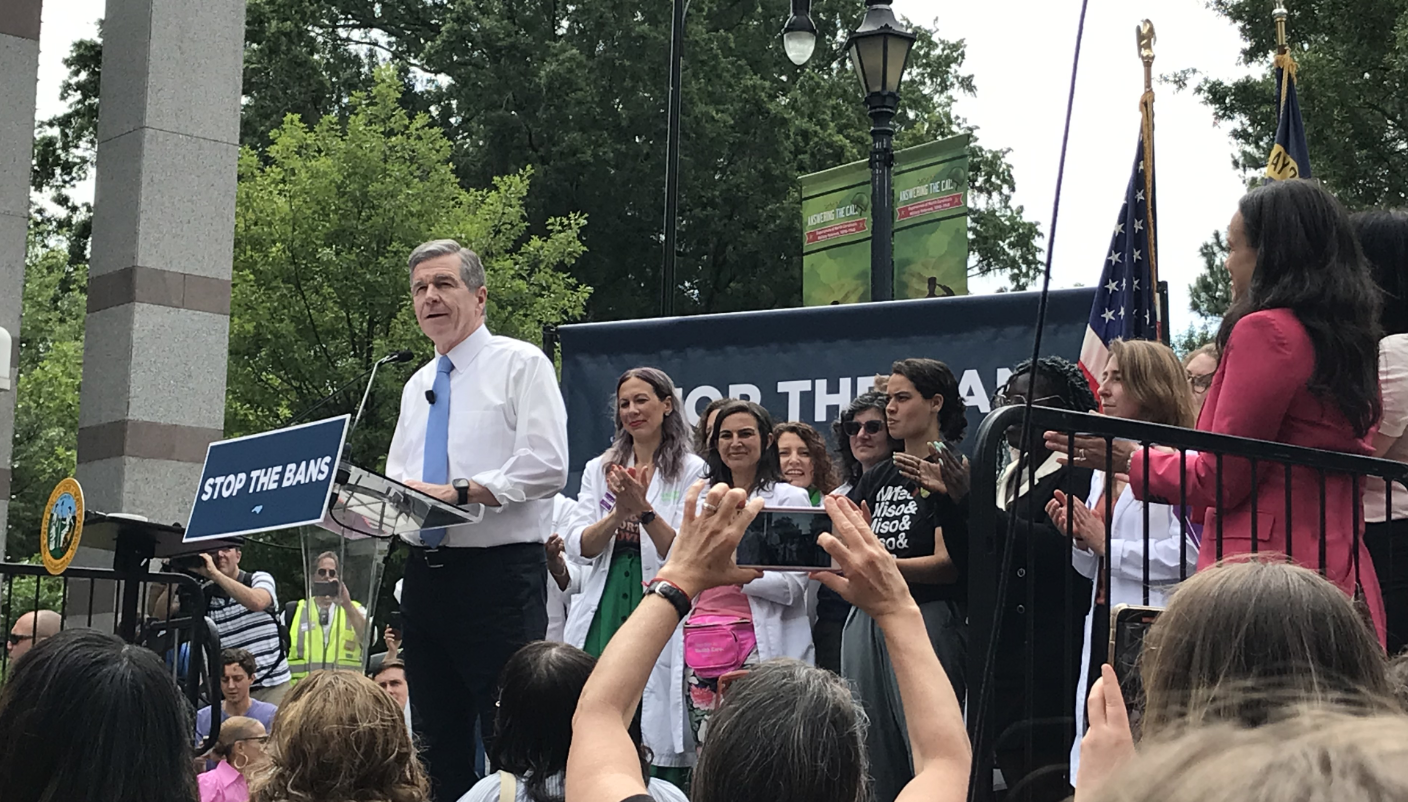
Former North Carolina Gov. Roy Cooper’s energy record is back under scrutiny as his U.S. Senate campaign faces renewed questions about solar-industry ties, Duke Energy negotiations and a family-linked land lease.
Townhall highlighted the issue in May, pointing back to a 2019 WBTV investigation into the Atlantic Coast Pipeline. WBTV reported that documents released by Cooper’s administration showed senior staff tracking Duke Energy’s negotiations with solar companies while the state weighed a pipeline water permit and a separate $57.8 million memorandum of understanding. Cooper denied the issues were connected, calling them “all completely separate issues.” But WBTV cited a text from senior adviser Ken Eudy saying, “Not sure we should sign ACP agreement unless solar deal works.”
The scrutiny involves Strata Solar. Carolina Journal reported that Roy Cooper and his brother created Will Clark Properties LLC after inheriting Nash County land, then signed a 20-year lease in 2013 with Nash 58 Farm LLC, a Strata Solar subsidiary. Cooper was listed as a manager in 2013 and 2014 filings, but later said he divested from the company in November 2014.
The questions are landing in a charged political environment. Cooper made clean energy a signature policy. His Executive Order 246 called for a 50% emissions reduction from 2005 levels by 2030 and net-zero greenhouse gas emissions by 2050. The North Carolina Utilities Commission’s carbon plan later directed Duke Energy to pursue 3,460 megawatts of new controllable solar generation by 2031.
There has been no public finding in these cited records that Cooper violated the law. But the overlap among Duke negotiations, solar donors and family-linked land is giving Republicans a ready-made ethics-and-energy attack line.
BREAKING NEWS
NC Sends First-In-Nation Lawsuit Investment Ban To Stein
Business groups say courtrooms should not become investment vehicles for outside funders
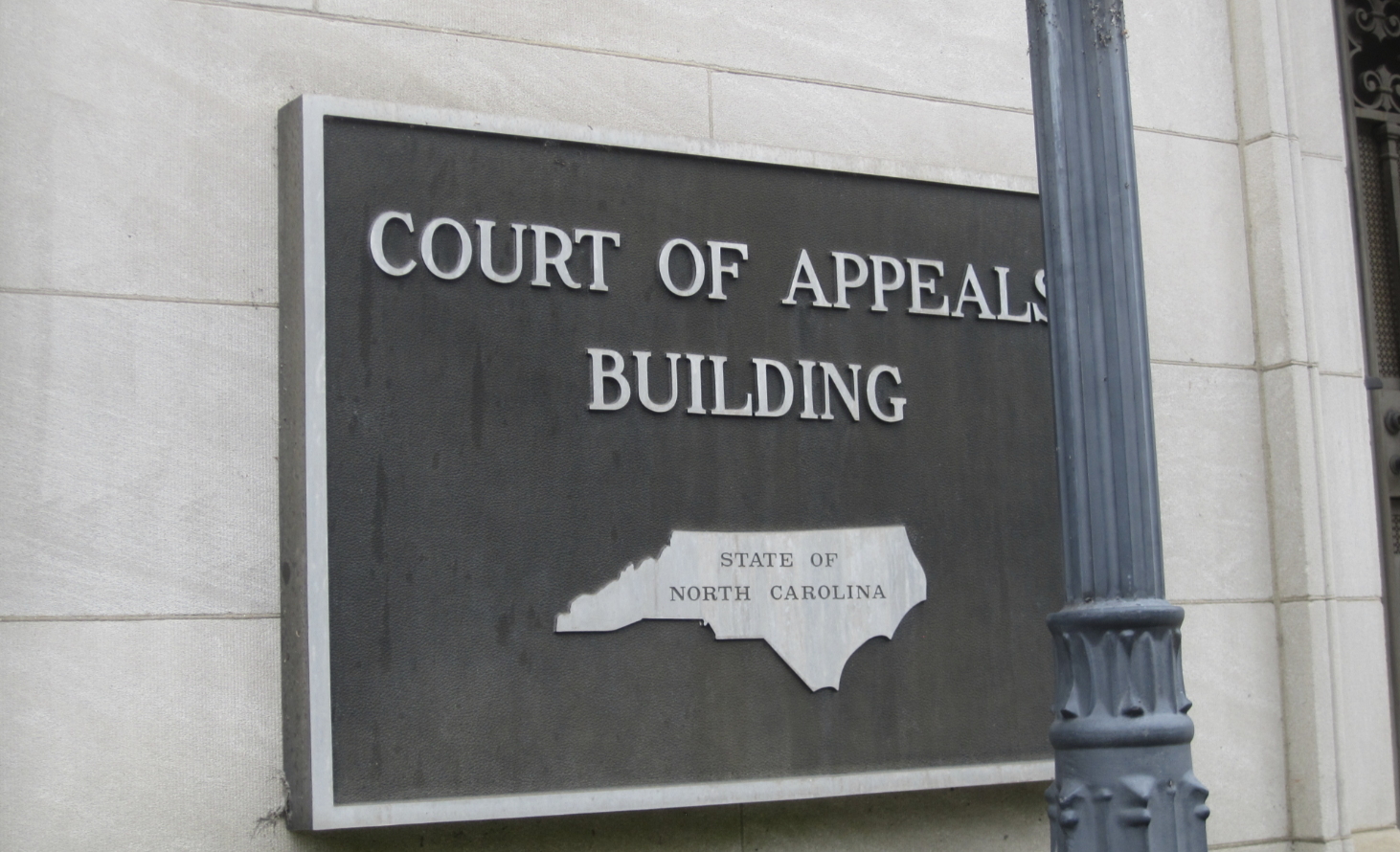
North Carolina lawmakers sent Gov. Josh Stein a bill that could make the state the first in the nation to ban outside investors from buying a stake in civil lawsuits.
House Bill 315 was presented to Stein June 12 after clearing the House 112-0 and Senate 45-1, according to General Assembly records. The measure creates the Prohibit Litigation Investments Act and would make it unlawful to pay litigation fees, costs or expenses in a civil proceeding in exchange for repayment tied to the outcome.
Third-party litigation financing generally allows a funder outside a lawsuit to provide money to a litigant or law firm in return for a share of a future recovery, the Government Accountability Office says. Supporters say such funding can help underfunded plaintiffs pursue claims. Critics argue it turns courtrooms into profit centers for hedge funds and other investors.
The North Carolina Chamber championed the bill, saying it would stop the civil justice system from becoming a marketplace for outside investors and strengthen the state’s business climate. Axios reported the Chamber pushed the bill after members raised concerns about costly settlements and the possible exposure of intellectual property or trade secrets.
The bill includes exceptions for contingency-fee legal work, insurer defense obligations, nonprofit legal services, direct loans not contingent on case outcomes and certain family support. It would authorize the attorney general to seek injunctions and civil penalties of up to $50,000 per violation, according to a nonpartisan legislative analysis.
The issue has reached Washington. Republican Sen. Thom Tillis of North Carolina introduced the Tackling Predatory Litigation Funding Act, a federal proposal to tax profits earned by third-party litigation funders.
Stein has not said whether he will sign the state bill, leaving a business-backed tort reform win one signature away.
BREAKING NEWS
Batch Defends Profanity-Laced Budget Video As GOP Demands Discipline
Democratic leader calls vulgar sketch satire as Republicans accuse lawmakers of embarrassing the General Assembly

North Carolina Senate Minority Leader Sydney Batch, D-Wake, is defending a profanity-laced video about the state budget, calling the viral sketch satire while House Republican leaders demand discipline.
The video, posted June 9 to Rep. Vernetta Alston’s public Instagram account, shows Alston discussing the budget delay while Batch plays an “anger translator,” a format borrowed from Key & Peele, Carolina Journal reported. Most expletives were bleeped, but one was uncensored, and the sketch appeared to have been filmed inside a public legislative building.
House Majority Leader Brenden Jones, R-Columbus, called on House Minority Leader Robert Reives to discipline Alston and any lawmakers or staff involved in posting, promoting or filming the video. Jones called it “vulgar and inappropriate” and said voters deserve lawmakers who respect the offices they hold.
Batch refused to back away Thursday, saying critics were trying to “distract from words that I choose to use in satire.” She said constituents were “actually happy” Democrats were showing outrage over what she called Republican failure.
The video swipes at the Opportunity Scholarship Program, North Carolina’s private-school voucher system. Batch accused Republicans of sending $250 million a year to private schools for wealthier families, though state data cited by Carolina Journal show the program serves 106,863 students and about two-thirds of scholarship dollars go to lower-income families.
The fight comes a month after Senate Leader Phil Berger, R-Rockingham, and House Speaker Destin Hall, R-Caldwell, announced a budget framework with average 8% teacher raises, 3% raises for state employees and continued voucher funding. Batch said Democrats offered proposals on law enforcement pay, state employee health costs, small-business loans and worker retraining, but conceded they will not pass.
Political scientist Chris Cooper told Carolina Journal the videos are a “base strategy” using shock value to draw attention to the budget standoff.

Roy Cooper’s Solar Ties Resurface In Senate Race

Wilson Motel Hit With Court Order After Years Of Crime Complaints

Raleigh Killing Renews Scrutiny Of Courts And Mental Health

NC Sends First-In-Nation Lawsuit Investment Ban To Stein

Batch Defends Profanity-Laced Budget Video As GOP Demands Discipline

NC Election Board Weighs Photo ID Rule Changes

NC Budget Bust: Lawmakers Flee Raleigh as State Remains Only in Nation Without Spending Plan

New Poll Shows NC Republican Base Will Walk Away From 2026 Senate Race If SAVE America Act Dies In The Senate

System Failing Iryna Zarutska: Charlotte Light Rail Murder Suspect Dodges Trial On Mental Health Grounds As Family Waits For Justice

Port of Wilmington Sets New Cargo Volume Record Amid East Coast Shipping Surge

NC Legislature Passes Historic Education Funding Bill Targeting Rural Schools

Research Triangle Startups Raise Record $2.1 Billion in First Quarter
-
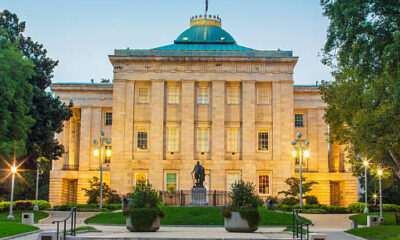 BREAKING NEWS3 months ago
NC Budget Bust: Lawmakers Flee Raleigh as State Remains Only in Nation Without Spending Plan
-
 BREAKING NEWS2 months ago
New Poll Shows NC Republican Base Will Walk Away From 2026 Senate Race If SAVE America Act Dies In The Senate
-
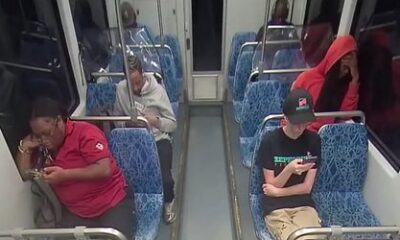 BREAKING NEWS2 months ago
System Failing Iryna Zarutska: Charlotte Light Rail Murder Suspect Dodges Trial On Mental Health Grounds As Family Waits For Justice
-
 BREAKING NEWS3 months ago
Port of Wilmington Sets New Cargo Volume Record Amid East Coast Shipping Surge
-
 BREAKING NEWS3 months ago
NC Legislature Passes Historic Education Funding Bill Targeting Rural Schools
-
 LOCAL3 months ago
Research Triangle Startups Raise Record $2.1 Billion in First Quarter
-

 LOCAL3 months ago
Raleigh’s Comedy Scene Explodes as Three New Venues Open in the Triangle
-

 BREAKING NEWS2 months ago
Gov. Stein Demands Pay Raises While Doing Nothing To Break The Two-Year Legislative Stalemate He Helped Create