
LOCAL
North Carolina Schools Expand STEM Programs


North Carolina Schools Expand STEM Programs is gaining attention across North Carolina as recent developments continue to shape local communities and policy decisions. Officials say the issue reflects broader trends tied to economic growth and population changes across the state.
Over the past few weeks, discussions have intensified among lawmakers, local leaders, and residents. With North Carolina seeing steady growth, the demand for infrastructure, public services, and workforce readiness has increased significantly.
Experts highlight that coordination between state agencies and local governments is essential. Public feedback is also playing a key role, with community meetings helping guide decisions and priorities.
Economic analysts note that North Carolina remains one of the fastest-growing states in the U.S., bringing both opportunities and challenges. Investments in transportation, education, and workforce development are being prioritized.
Looking ahead, leaders emphasize that strategic planning and collaboration will be crucial in ensuring long-term sustainability and improved quality of life for residents.


BREAKING NEWS
North Carolina Blocks Foreign Adversaries From Farmland
New law targets land near farms and military bases


North Carolina has a new law aimed at keeping adversarial foreign interests away from farmland and military installations, turning national-security concerns into a real estate restriction across much of the state.
Gov. Josh Stein signed House Bill 133, the North Carolina Farmland and Military Protection Act, after lawmakers sent him the measure this month. The North Carolina General Assembly lists the bill as Session Law 2026-54, approved July 7 and chaptered July 8.
Under the law, a “prohibited foreign party” cannot purchase, acquire, lease or hold a direct interest in agricultural land or property within 50 miles of a military installation. The law says its purpose is to protect the state’s food supply and military sites from adversarial foreign government control.
The measure ties “adversarial foreign government” to countries or groups listed under federal International Traffic in Arms Regulations. It reaches certain entities or trusts organized under those governments, or substantially controlled by them.
Protected sites include Fort Bragg, Marine Corps Base Camp Lejeune, New River Marine Corps Air Station, Cherry Point Marine Corps Air Station, Seymour Johnson Air Force Base and North Carolina National Guard facilities.
Foreign parties that already hold covered land before the law takes effect may keep it, but they cannot acquire more and must register with the secretary of state. Buyers of covered land will have to sign an affidavit saying they are not prohibited foreign parties, while violations can trigger forced divestiture.
Most of the law takes effect April 1, 2027. The North Carolina Real Estate Commission and Department of Military and Veterans Affairs must publish a public map of protected areas by then.
Supporters frame the law as food security and military protection. Critics raised concerns about whether the 50-mile radius could discourage legitimate foreign investment, Carolina Journal reported.
BREAKING NEWS
Raleigh Weighs Youth Curfew After Teen Takeovers
Raleigh Weighs Youth Curfew After Teen Takeovers
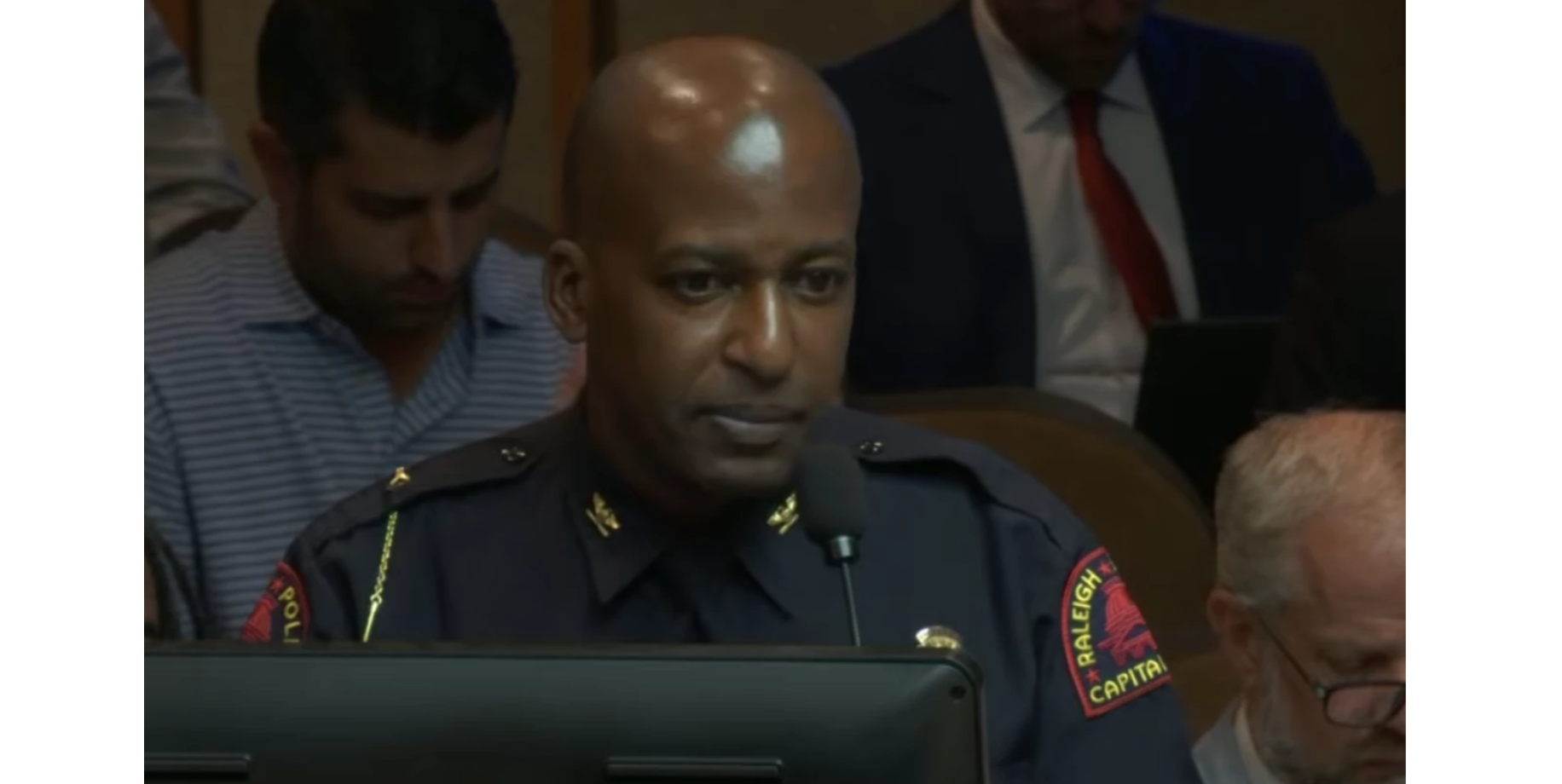
Raleigh leaders are moving toward a youth curfew after a Fourth of July weekend of mass teen gatherings, shootings and arrests left city officials promising a tougher public-safety response.
The Raleigh City Council directed its attorney to draft a curfew ordinance for minors 17 and under after police said social media-driven “teen takeovers” drew about 3,000 teens to Brier Creek and more than 5,000 to Glenwood South. Nine people were shot across Glenwood South, Brier Creek and Capital Boulevard, and 29 people were arrested, according to the city.
Mayor Janet Cowell and Raleigh Police Chief Rico Boyce are backing a curfew, with WRAL reporting the proposal under discussion would run from 11 p.m. to 6 a.m. Boyce told council members the chaos was unlike anything he had seen in 26 years with Raleigh police, and said officers recovered 11 guns during the weekend response.
The ordinance is not expected to take effect immediately. The city said council is recessed until mid-August and plans to take up the proposal Aug. 18. Cowell said she could consider an emergency curfew if similar events happen before then.
City officials are looking at backpack restrictions, social media monitoring, targeted staffing and more youth programs. Wake County District Attorney Lorrin Freeman said any ordinance could give officials tools to hold parents accountable, while cautioning the city must avoid a measure that is too broad or legally vulnerable.
Raleigh is not alone. Charlotte-Mecklenburg Police said strategic July 4 enforcement in Uptown Charlotte led to 39 arrests, including 21 juveniles, with charges ranging from curfew violations to firearm offenses.
The debate now is whether a curfew can stop social media-fueled disorder without becoming a substitute for deeper youth supervision, policing and public safety fixes.
BREAKING NEWS
Lumbee Voters Reject Casino Plan In Major Setback
Casino vote leaves a major economic development plan in limbo

Members of the Lumbee Tribe of North Carolina rejected a constitutional amendment that would have cleared the way for casino gaming, halting a high-profile economic development push in southeastern North Carolina.
Roughly 62% of participating tribal members voted no, while almost 10,000 enrolled members cast ballots across 21 precincts and by absentee voting, WUNC reported. The amendment would have changed the tribal constitution to give the tribal chairperson and tribal council more authority over casino gaming development.
The vote was a sharp setback for supporters of the proposed Lumbee Dark Water Resort and Casino, which tribal leaders pitched for land near Interstate 95 in Robeson County. The tribe purchased about 240 acres off Interstate 95 for at least $6 million in December, shortly after receiving full federal recognition, WRAL reported.
Supporters argued the project could create thousands of jobs and fund tribal priorities such as education, health care, housing and public safety. Axios reported advocates estimated about 3,000 jobs, while The Assembly reported Lumbee leaders projected between 2,750 and 3,500 full-time jobs with annual salaries starting at $45,000.
Opponents said the vote was not necessarily a rejection of gaming itself, but of changing the tribe’s governing document. Lumbees United for Accountability argued the amendment would concentrate power with tribal leaders and remove an existing referendum system for future gaming decisions.
Tribal Chairman John Lowery, who supported the amendment, said the result “ensures we will not move forward with gaming” and pledged not to bring the issue forward again during the remaining 18 months of his tenure, WRAL reported.
The 240-acre property remains under tribal control, leaving open questions about whether the tribe will revisit a casino later or pursue another economic development plan for the Interstate 95 site.

North Carolina Hemp Crackdown Awaits House Vote

Republicans Hit Roy Cooper Over ICE Arrest

North Carolina Blocks Foreign Adversaries From Farmland

Stein Signs North Carolina Budget After 1,000-Day Delay

Republicans Press Roy Cooper On Women’s Sports Veto

Raleigh Weighs Youth Curfew After Teen Takeovers

System Failing Iryna Zarutska: Charlotte Light Rail Murder Suspect Dodges Trial On Mental Health Grounds As Family Waits For Justice

NC Budget Bust: Lawmakers Flee Raleigh as State Remains Only in Nation Without Spending Plan

New Poll Shows NC Republican Base Will Walk Away From 2026 Senate Race If SAVE America Act Dies In The Senate

Raleigh’s Comedy Scene Explodes as Three New Venues Open in the Triangle

Gov. Stein Demands Pay Raises While Doing Nothing To Break The Two-Year Legislative Stalemate He Helped Create

Secretary Mullin Visits Chimney Rock, Announces Millions In New Flood Relief For Hurricane Helene Victims
-
 BREAKING NEWS4 months ago
System Failing Iryna Zarutska: Charlotte Light Rail Murder Suspect Dodges Trial On Mental Health Grounds As Family Waits For Justice
-
 BREAKING NEWS4 months ago
NC Budget Bust: Lawmakers Flee Raleigh as State Remains Only in Nation Without Spending Plan
-
 BREAKING NEWS4 months ago
New Poll Shows NC Republican Base Will Walk Away From 2026 Senate Race If SAVE America Act Dies In The Senate
-
 LOCAL4 months ago
Raleigh’s Comedy Scene Explodes as Three New Venues Open in the Triangle
-
 BREAKING NEWS4 months ago
Gov. Stein Demands Pay Raises While Doing Nothing To Break The Two-Year Legislative Stalemate He Helped Create
-
 BREAKING NEWS4 months ago
Secretary Mullin Visits Chimney Rock, Announces Millions In New Flood Relief For Hurricane Helene Victims
-

 BREAKING NEWS4 months ago
Port of Wilmington Sets New Cargo Volume Record Amid East Coast Shipping Surge
-
 BREAKING NEWS4 months ago
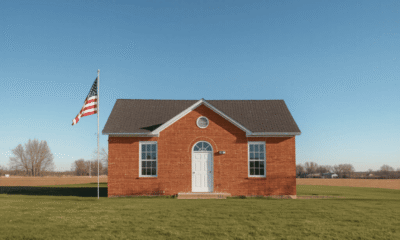
NC Legislature Passes Historic Education Funding Bill Targeting Rural Schools