POLITICS
2026 Legislative Session Opens in Concord With a Packed Agenda — and Some Very Familiar Bills
New Hampshire’s 2026 legislative session opened with more than 1,300 bills on the table, including revised versions of proposals Governor Ayotte vetoed in 2025 on books, bathrooms, and gender identity.

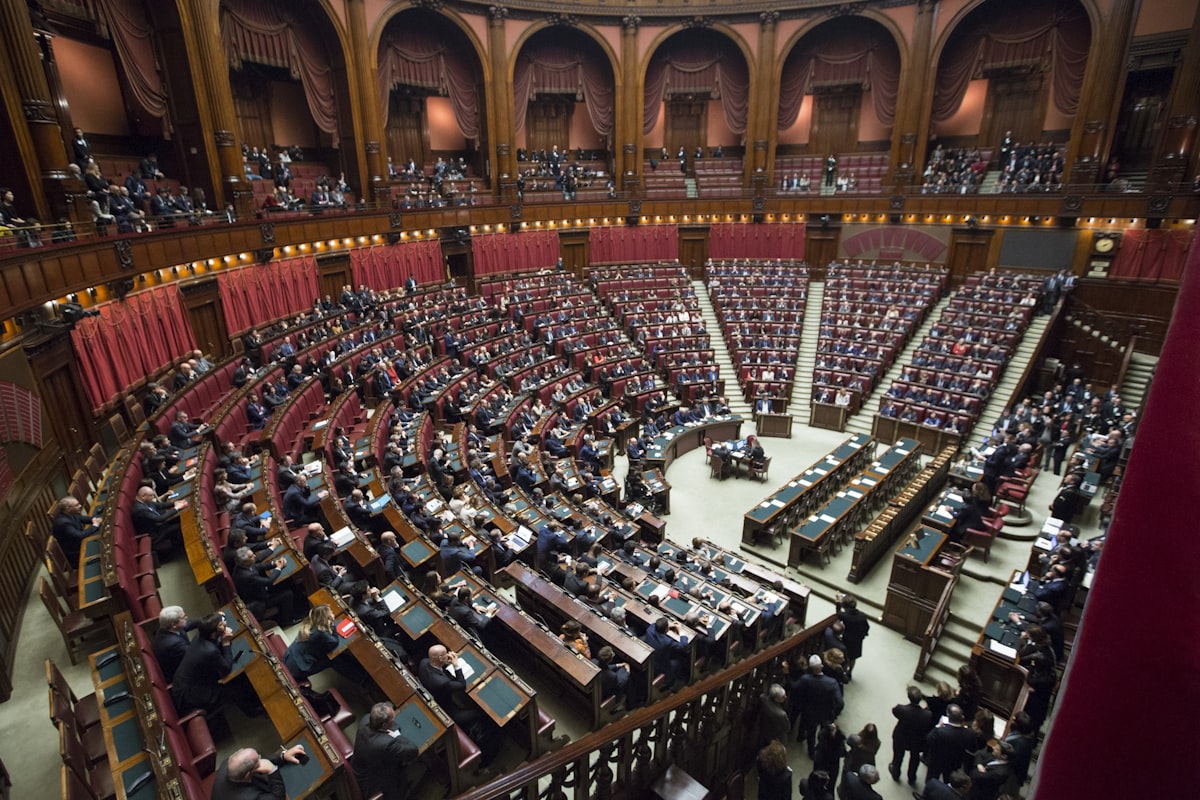
CONCORD, N.H. — New Hampshire’s 2026 legislative session opened this week with more than 1,300 bills on the table and a sense of déjà vu hanging over the State House. Several of the most contentious proposals now before lawmakers are revised versions of bills that Governor Kelly Ayotte vetoed in 2025 — and Republicans who control both chambers are betting that targeted revisions will satisfy the governor while preserving the core policy goals.
After failing to override those vetoes last year, GOP leaders have spent the months since drafting new language designed to address Ayotte’s specific objections. Whether the strategy works will depend on how the governor interprets the changes — and how far she is willing to move to accommodate her own party’s priorities heading into a reelection year.
Books and Library Challenges
The first major flashpoint of the session involves school library content. The House is voting this week on a revised version of the so-called “Right to Challenge Act” (Senate Bill 33), which would create a formal process for parents to contest books and other materials they consider harmful or age-inappropriate in public schools. A nearly identical bill was vetoed by Ayotte last year after she raised concerns that it would invite a wave of litigation from out-of-state advocacy groups.
The key change in the 2026 version: enforcement provisions with financial penalties have been stripped out entirely. Supporters argue this makes the bill legally clean and addresses the governor’s core objection. Critics say removing enforcement also removes the bill’s teeth — making it a symbolic gesture rather than a meaningful policy change.
Gender Identity Protections Under Scrutiny
The second major early vote involves a bill (Senate Bill 268) that would adopt a binary definition of “biological sex” in state law and allow public and private entities to maintain sex-segregated spaces — including bathrooms, locker rooms, athletic events, and detention facilities — without risk of violating the state’s anti-discrimination statutes. Similar proposals have been vetoed by both Ayotte and her predecessor, Chris Sununu.
Whether this iteration has a clearer path to the governor’s desk remains unclear. The political environment in 2026 — with a competitive reelection race on the horizon — adds a layer of calculation to every decision Ayotte makes on high-profile social legislation.
The Broader Agenda
Beyond those headline items, the 2026 session’s bill list is sprawling and consequential. Proposals include restoring the death penalty (which New Hampshire abolished in 2019), a bipartisan effort to put marijuana legalization to voters as a constitutional amendment, spending caps on local governments, and a range of K-12 education bills targeting curriculum content.
Housing and child care — the priorities that both parties have agreed matter most — will also receive sustained attention throughout the session. Pine & Cardinal will continue tracking developments as lawmakers debate and vote throughout the winter and spring.

BREAKING NEWS
Libertarian Senate Candidate Arrested After Cary Standoff
Hours-long crisis ends peacefully eight days before Election Day

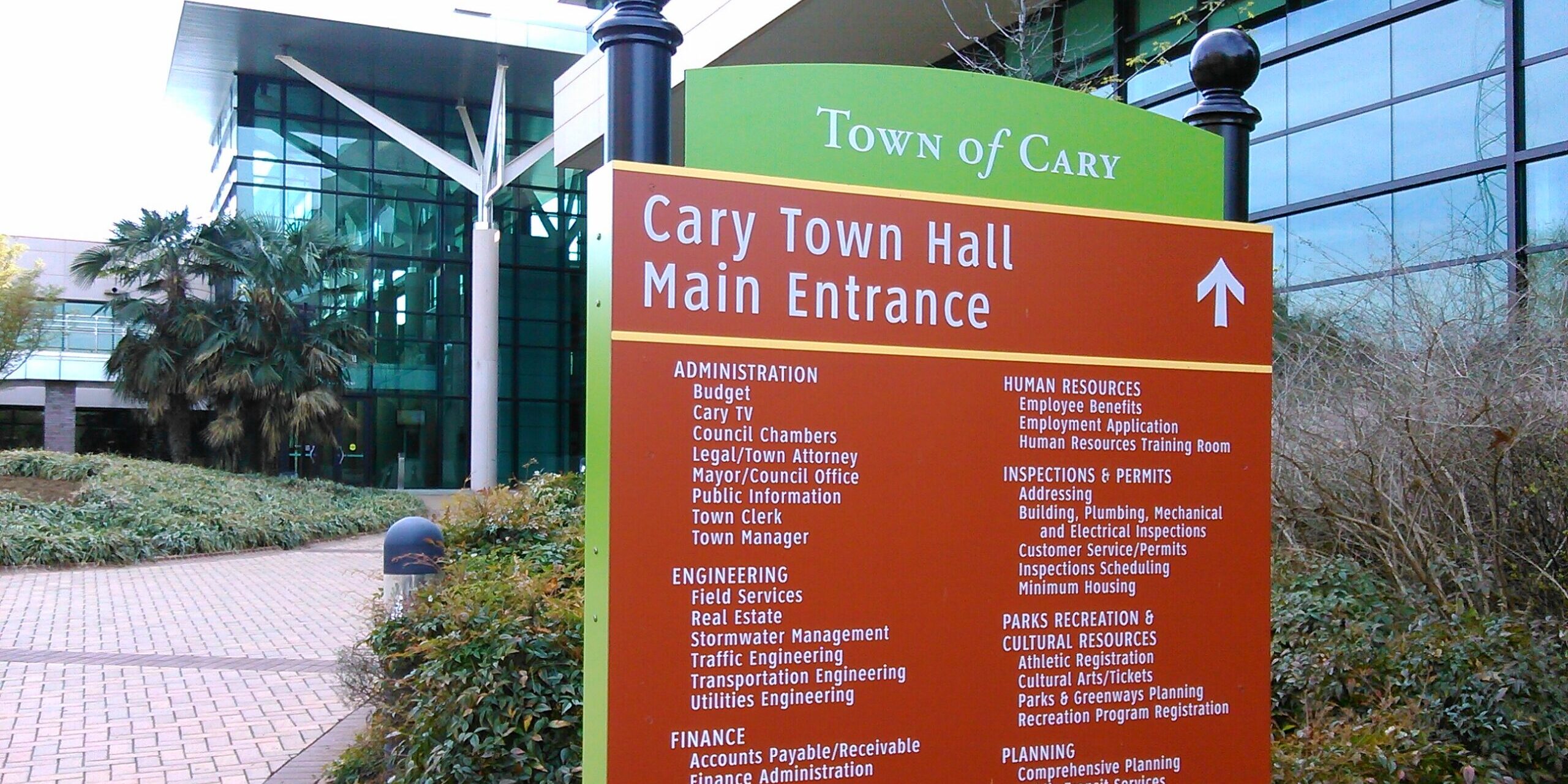
A Libertarian state Senate candidate was arrested Monday after an hours-long standoff with Cary police that began as a welfare check prompted by alarming social media posts.
Jonathan D. Miller, the Libertarian nominee in North Carolina Senate District 16, was taken into custody around 3 p.m. near Cary’s Lochmere neighborhood. Police said no shots were fired and nobody was injured.
Officers went to Miller’s home on Glen Echo Lane around 8:26 a.m. after monitoring posts in which he described suicidal thoughts and appeared to reference an armed confrontation. Cary Police Chief Terry Sult said an officer encountered Miller carrying a firearm, ordered him not to touch it and watched him run into nearby woods.
Miller continued posting during the search and called WRAL several times. He told the station he had been depressed the previous night and ran because he feared being hospitalized. Sult said police monitored the calls with WRAL’s permission and that the conversations gave officers useful insight during negotiations.
Police charged Miller with communicating threats, resisting officers and going armed to the terror of the people. He was being held at the Wake County Detention Center and was scheduled to appear in court Tuesday afternoon. The charges are allegations, and Miller is presumed innocent unless proven guilty.
The response temporarily closed nearby roads and placed Resurrection Lutheran School under a code yellow lockdown. Cary police later announced that the crisis had ended peacefully and normal traffic could resume.
Miller is challenging Democratic Sen. Gale Adcock and Republican Philip Hensley in the Nov. 3 election. The Libertarian Party of North Carolina thanked police for resolving the incident without violence but declined to address Miller’s campaign status.
Anyone experiencing a mental health crisis or suicidal thoughts can call or text 988 for free, confidential assistance.
BREAKING NEWS
Vance Touts $858 Million Helene Road Allocation At GOP Rally
Federal records clarify the difference between Vance’s figure and North Carolina’s $873 million total
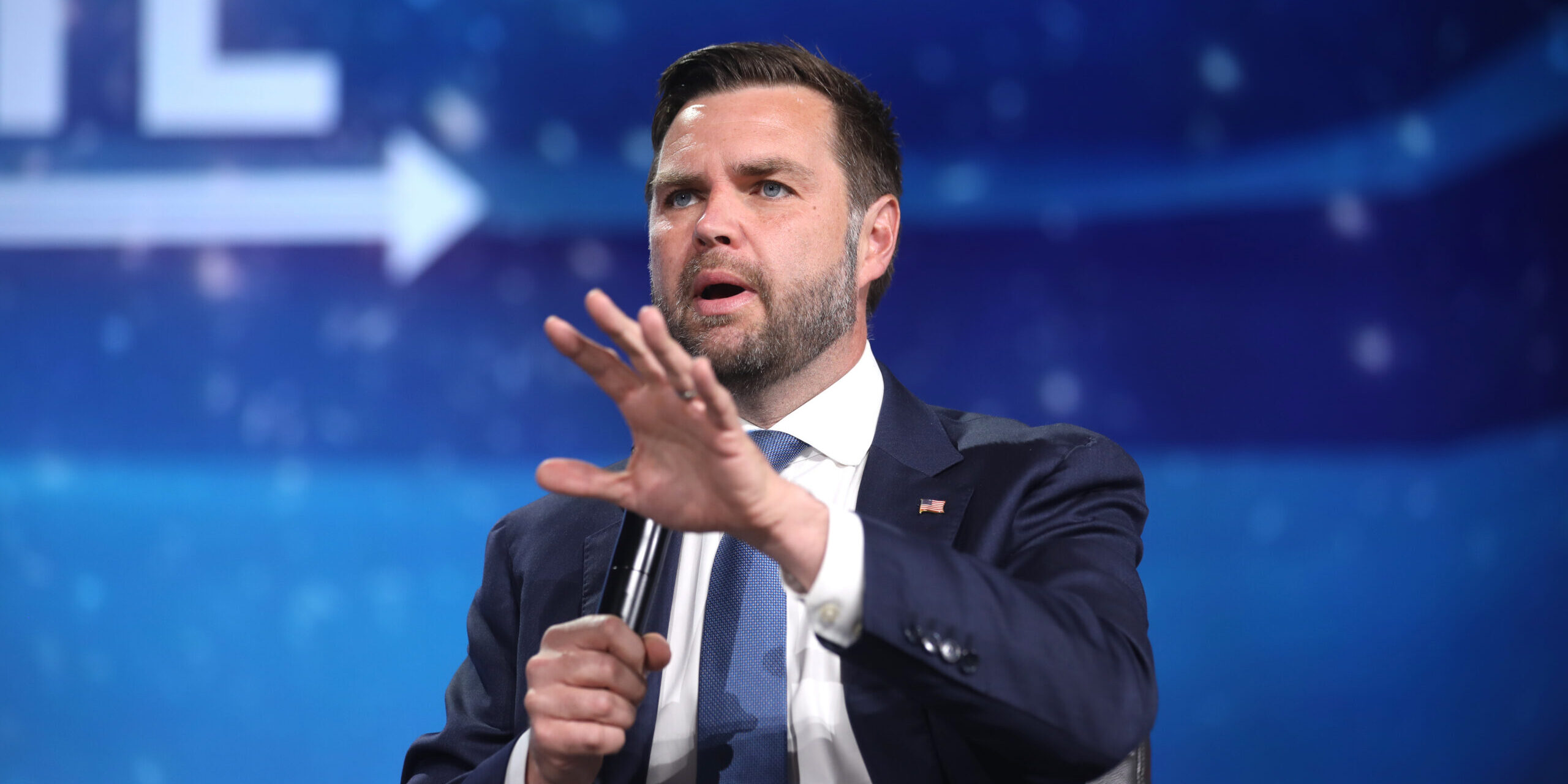
Vice President JD Vance used a Hendersonville rally to highlight $858 million in federal highway aid for Hurricane Helene repairs, tying the recovery award to Republicans’ closing pitch in western North Carolina.
The figure Vance cited represents the North Carolina Department of Transportation’s share. A separate Federal Highway Administration breakdown assigns another $13.25 million to U.S. Forest Service roads and about $2.21 million to Bureau of Indian Affairs transportation sites, bringing the state’s Helene-related total to roughly $873.5 million.
Vance said the money would support eight major damaged corridors, including Interstate 40 through the Pigeon River Gorge. Helene destroyed or severely damaged about five miles of the interstate near Tennessee. NCDOT estimates permanent reconstruction will cost roughly $2.8 billion, with four lanes expected to reopen in late 2029, though unstable ground could change the timetable.
The money comes through the Federal Highway Administration’s Emergency Relief Program, which reimburses eligible road, bridge and emergency-access costs rather than providing direct aid to homeowners. Federal officials say Helene created more than 9,000 transportation damage sites and over 1,400 road closures statewide. The allocation brings the federal highway commitment for Helene repairs in North Carolina to about $2.9 billion.
Vance made the announcement while campaigning for Republican Senate nominee Michael Whatley and House candidates Jennifer Balkcom and Laurie Buckhout. He credited President Donald Trump and Transportation Secretary Sean Duffy. Whatley attacked former Gov. Roy Cooper’s recovery record, while Cooper’s campaign said his administration activated emergency resources and secured major state and federal assistance.
Nearly 99% of storm-affected state roads have reopened, but NCDOT estimates the full transportation recovery will cost about $5 billion. The new allocation is a reimbursement milestone, not the end of a rebuilding effort expected to continue for years.
BREAKING NEWS
UNC Settles Federal Antisemitism And Race Probes
Deal preserves federal funding without a fine or admission of wrongdoing
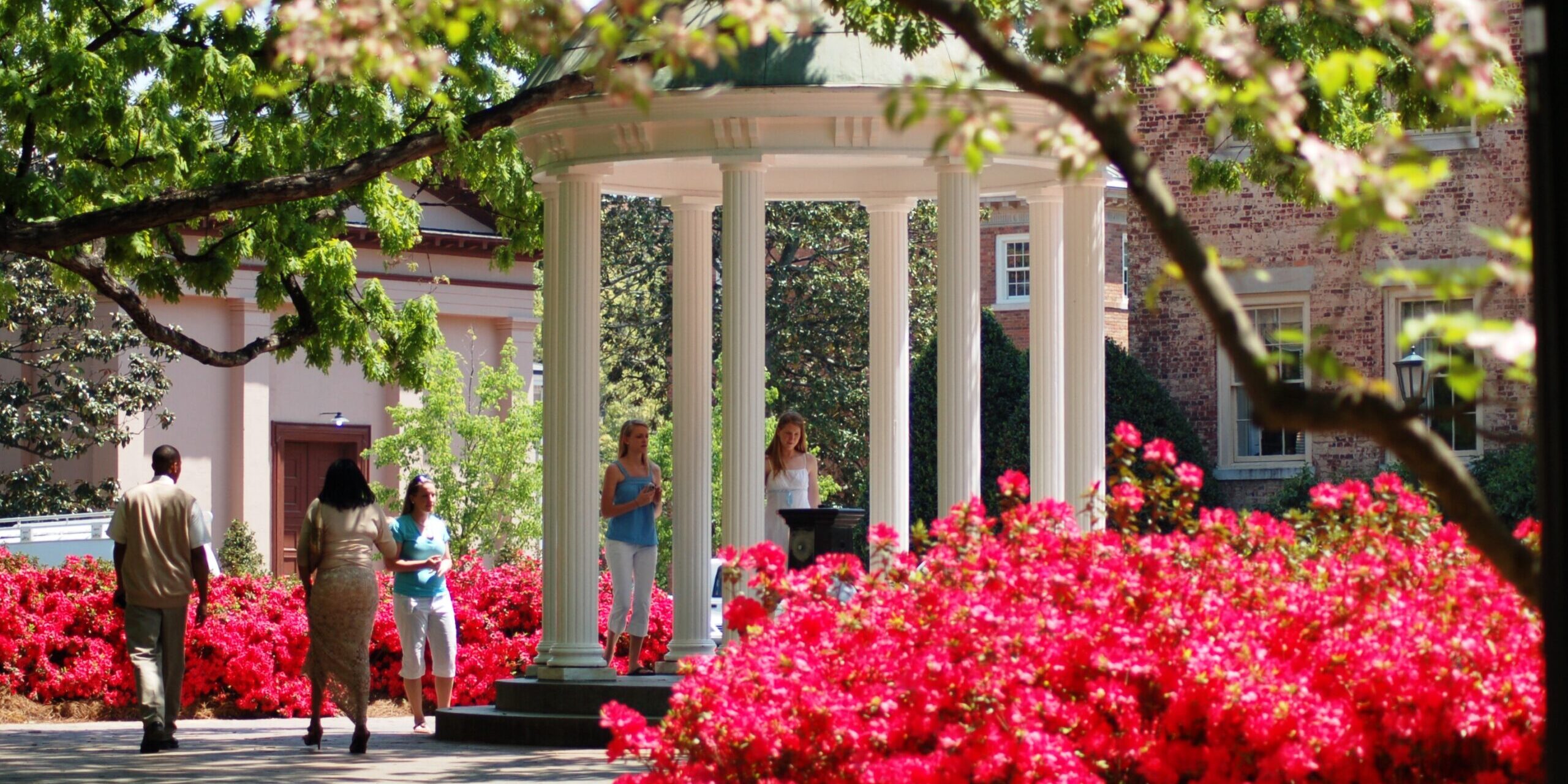
UNC-Chapel Hill has agreed to federal requirements addressing antisemitism, admissions and race-based programs, resolving 18 Education Department investigations and a Justice Department review without paying a fine or admitting wrongdoing.
The voluntary university-wide settlement will remain in effect through Dec. 31, 2028, and preserves UNC’s eligibility for federal grants, contracts and awards. The investigations arose under Title VI of the Civil Rights Act, which prohibits race, color and national-origin discrimination in federally funded programs.
Under the 10-page agreement, UNC must create a Title VI coordinator, ensure Jewish and Israeli students are covered by its nondiscrimination policy and promptly investigate complaints. The university must provide mandatory antisemitism training, add law enforcement resources when warranted and enforce a ban on face coverings used to conceal identity, with limited exceptions. Student groups may face defunding, suspension or loss of recognition for antisemitic discriminatory conduct.
UNC agreed to maintain “color-blind” admissions across undergraduate, graduate and professional programs. Admissions officers may not use race, racial proxies or protected characteristics in recruitment and pipeline programs. The deal still permits consideration of personal adversity, poverty or family educational background when applied consistently and not used to disguise racial preferences.
Scholarships, financial aid, student benefits and programming must operate without unlawful racial preferences. Within 30 days, UNC must designate a Merit & Civil Rights Administrator. The university said Associate Vice Chancellor Elizabeth Hall will fill that role and oversee reporting.
UNC must submit quarterly reports covering antisemitism and racial discrimination complaints, beginning with allegations received since Oct. 7, 2023. Chancellor Lee Roberts must certify compliance under penalty of perjury.
Roberts called the agreement a responsible resolution that protects UNC’s mission and affirms civil rights. The university emphasized that the deal protects academic freedom and does not authorize federal officials to dictate curricula or academic speech.

Bracco Picks Sanford For $230 Million U.S. Plant

Sealy, Foster Closures Cut 295 North Carolina Jobs

Libertarian Senate Candidate Arrested After Cary Standoff

Vance Touts $858 Million Helene Road Allocation At GOP Rally

Five Killed In Four Charlotte Shootings Over Weekend

UNC Settles Federal Antisemitism And Race Probes

System Failing Iryna Zarutska: Charlotte Light Rail Murder Suspect Dodges Trial On Mental Health Grounds As Family Waits For Justice

Meta Agrees To Pay North Carolina Up To $645 Million

Raleigh’s Comedy Scene Explodes as Three New Venues Open in the Triangle

Gov. Stein Demands Pay Raises While Doing Nothing To Break The Two-Year Legislative Stalemate He Helped Create

Secretary Mullin Visits Chimney Rock, Announces Millions In New Flood Relief For Hurricane Helene Victims

New Poll Shows NC Republican Base Will Walk Away From 2026 Senate Race If SAVE America Act Dies In The Senate
-
 BREAKING NEWS7 months ago
System Failing Iryna Zarutska: Charlotte Light Rail Murder Suspect Dodges Trial On Mental Health Grounds As Family Waits For Justice
-
 BREAKING NEWS2 months ago
Meta Agrees To Pay North Carolina Up To $645 Million
-
 LOCAL8 months ago
Raleigh’s Comedy Scene Explodes as Three New Venues Open in the Triangle
-
 BREAKING NEWS7 months ago
Gov. Stein Demands Pay Raises While Doing Nothing To Break The Two-Year Legislative Stalemate He Helped Create
-
 BREAKING NEWS7 months ago
Secretary Mullin Visits Chimney Rock, Announces Millions In New Flood Relief For Hurricane Helene Victims
-
 BREAKING NEWS7 months ago
New Poll Shows NC Republican Base Will Walk Away From 2026 Senate Race If SAVE America Act Dies In The Senate
-
 BREAKING NEWS7 months ago
NC Budget Bust: Lawmakers Flee Raleigh as State Remains Only in Nation Without Spending Plan
-

 NATIONAL10 months ago
One of the Worst Flu Seasons in Years Is Hitting New Hampshire — And Hospitals Are Feeling It